Visit to the theater is a special ritual for true art connoisseurs. Its atmosphere cannot be replaced by any other pastime. The elegant attire of guests, exquisite interiors and stunning performances are the components of the magic of the theater.
In the Bronx, there were and are many similar institutions. At different times, they were an important part of the cultural life of the borough of New York. We will tell you more about one of them in our article. The Opera House in the Bronx is a place where every resident could see the most outstanding performances. Read more about it on bronx-trend.com.
THE EMERGENCE OF THE LOCAL OPERA HOUSE
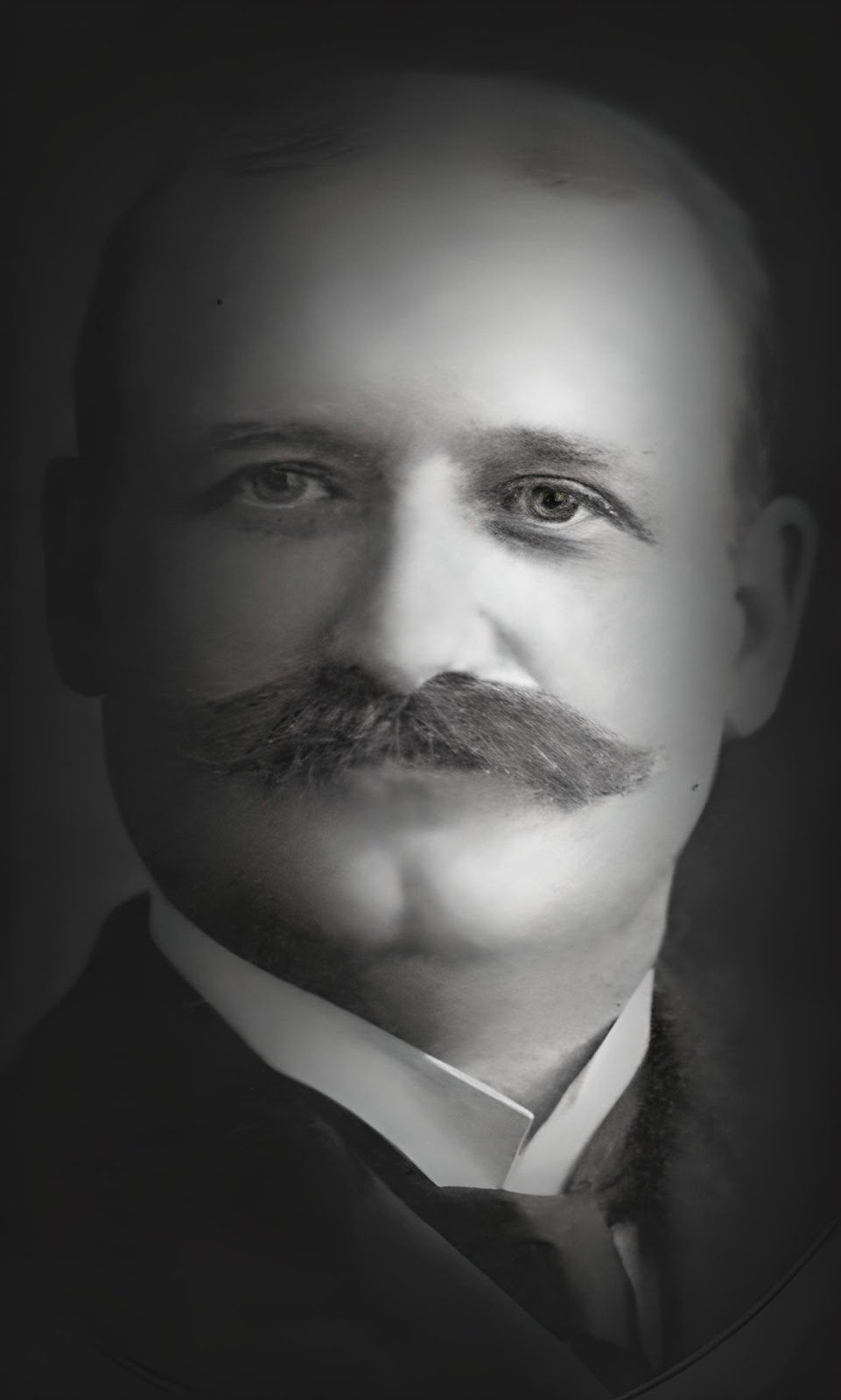
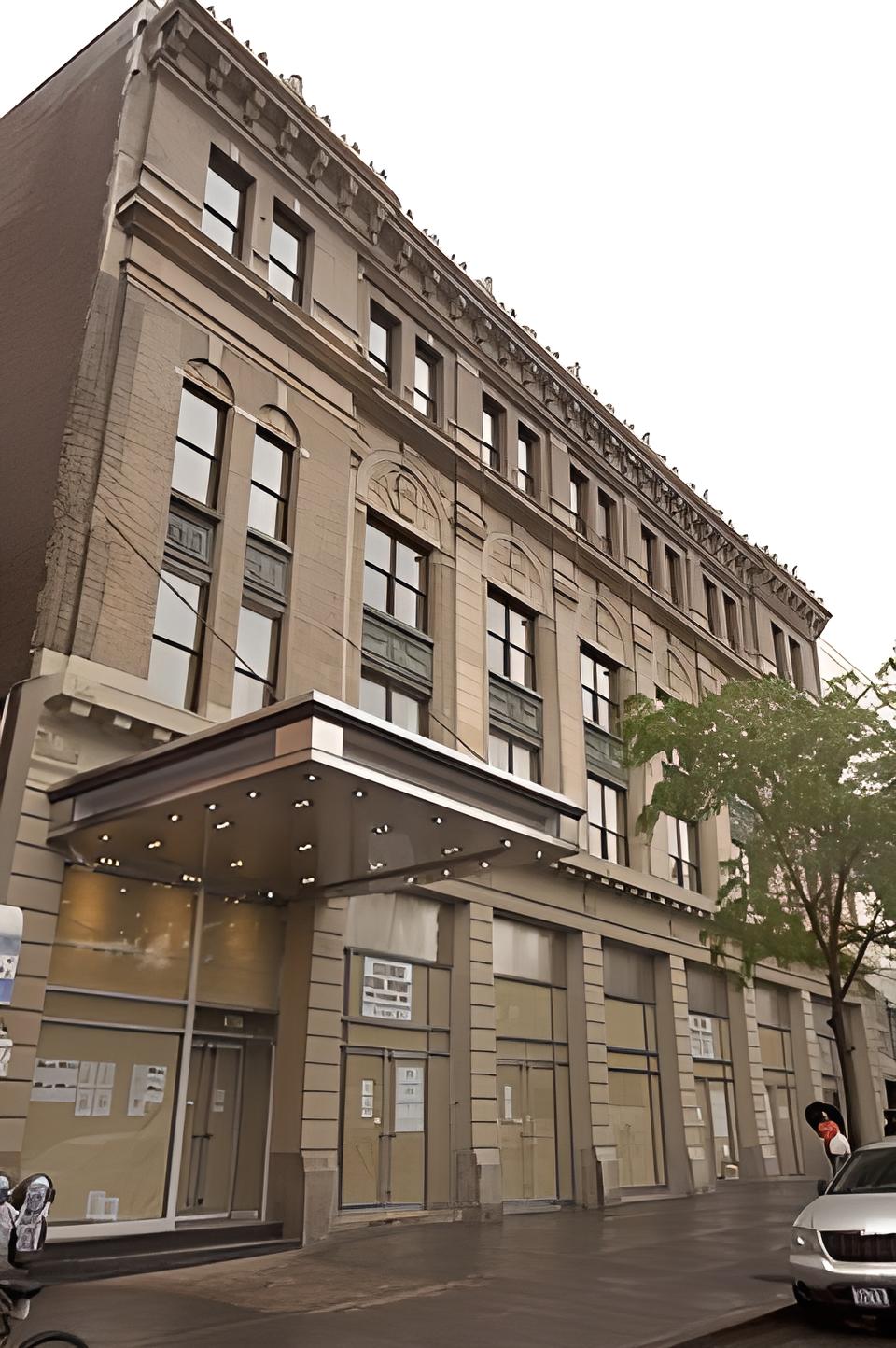
The first Opera House in the Bronx was opened in 1913. The outstanding building was located on the site of the former stable of Frederick Schnaufer. The project was developed by George Keister, a famous American architect. The opening of the theater took place on August 30, 1913. It was a very significant event for all locals and guests of the city. However, it was preceded by a long and challenging history.
The idea of creating an opera theater in the borough appeared as early as 1911. Then actor George M. Cohan and producer Sam H. Harris began to create a detailed plan and look for a suitable location. Soon, the news appeared in the mass media that the highly respected Shubert family had similar plans and wanted to open their theater. The appearance of two similar institutions in the Bronx did not make economic sense. One of them would definitely not stand up to tough competition. Harris attempted to conclude a deal with the representative of the Shuberts but his plan did not succeed. Then, the producer and his partner announced the cancellation of their project.
Their establishment was destined to open later. Ambitious men managed to find ways to maneuver in this competition and risked giving life to their theater.
On September 9, 1912, Cramp & Co signed a contract for the construction of the Opera House. The process went quickly and successfully. Still, it was endangered by the fact that another theater was being built in the borough at the same time. Thus, competition was unavoidable. The Opera House was opened on August 30, 1913. Its competitor, Royal Theatre, was launched only ten days later.
CHARACTERISTICS OF THE OPERA HOUSE
The project was really successful. The capacity of the hall was 1892 seats. The entire premises were equipped with electricity and water supply. There were also 12 dressing rooms. The theater was ready to provide guests with a comfortable and pleasant stay. The building had three floors. In addition to the premises for theatrical needs, there were also several spaces for rent. Cafes and restaurants were located there.
Special attention was paid to an extremely important aspect, namely fire safety. The project met all the requirements of the Department of Public Safety.
The interior of the Opera House was elegant and classic. Ornamental plaster, gilded inserts and wall elements with silk damask created an atmosphere of luxury and beauty. The ceiling of the main hall was decorated with three frescoes symbolizing the Temple of Love. Diffuse lighting became a feature of the Opera House. The premises were equipped with glass lighting balls of indirect effect.
The designers also paid attention to the building’s ventilation system. It was equipped with built-in pipes that led to the roof and connected there to a powerful electric fan.
Altogether, important functional components were successfully combined with an aesthetically attractive appearance.
THEATER LIFE
The Opera House quickly became popular among the locals. Morning and evening performances took place here. The ticket price was quite affordable. In addition, the theater had a system of discounts.
At different times, many outstanding artists performed on the stage, including the Marx Brothers, Gracie Allen, Julia Marlowe, George Burns, John Bunny, Eddie Kantor and others. The guests had the opportunity to visit the most famous performances. Post-Broadway shows were also held here. The famous Aborn Opera Company often appeared on the stage. The American bohemian often visited the theater. It became the home of local art.
The Opera House is sometimes confused with the Percy G. Williams’ New Opera House. The second was later renamed BF Keith’s Bronx Theatre. A vaudeville show was often held there.
A visit to the theater is a wonderful combination of pleasant and useful events. Such an experience provides a unique opportunity not only to get aesthetic pleasure but also to expand one’s horizons. The Bronx Opera House became such a place. Here, performances were organized and gathered like-minded representatives of the creative world.
Although its activity has already ended, the history is known and stays important. In 2013, the Opera House was transformed into a boutique hotel. A new chapter in the existence of an outstanding building has begun. Still, the memory of its wonderful theatrical past is carefully preserved here. It is an important part of the cultural and tourist life of the Bronx, as well as of the whole of America.