


A true pioneer of modern Latin music, Willie Colón’s innovative style blended traditional Caribbean rhythms with a distinct New York City sound, sparking the salsa boom of the 1970s. His contributions to music and beyond have earned him widespread acclaim. As a performer, composer, arranger, singer, trombonist, producer, and director, he has achieved immense commercial success, releasing more than 40 albums that have collectively sold over 30 million copies worldwide. Read on for a look into the life and career of this influential artist at bronx-trend.com.
His First Instrument
William Anthony Colón Román was born in the South Bronx to Puerto Rican American parents. Growing up in a predominantly Latin American neighborhood, he was immersed from a young age in the complex urban reality and rich cultural heritage of his community.
Music was a part of Colón’s life from childhood, but his formal education began at age 12 when his grandmother gave him a trumpet and paid for his first lessons. However, two years later, he decided to switch to the trombone—an instrument he felt more inspired by due to its deep sound. Willie often spent his summers in Puerto Rico, on his maternal grandmother’s sister’s farm near Manatí and in nearby Ciales. These trips helped him gain a deeper understanding of his Caribbean roots and the rhythms that would later become a core part of his music.
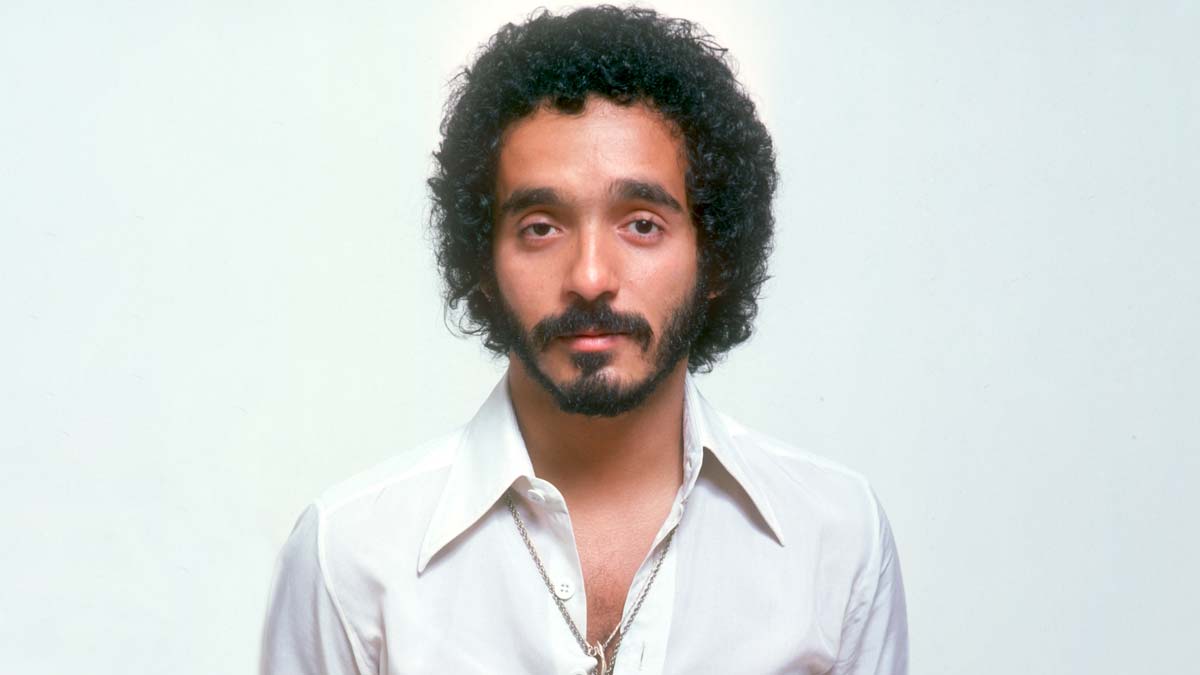
At just 17, Colón recorded his first album, El Malo (“The Bad Guy”), which became one of the earliest examples of the so-called “New York sound.” This new direction in salsa combined traditional Caribbean rhythms with elements of American popular music, while the trombone’s dominant role gave the music an aggressive, fresh edge.
Collaboration with Héctor Lavoe
The first person to truly click with Willie Colón musically and personally was a young Puerto Rican vocalist named Héctor Lavoe. Initially, the pairing was a matter of circumstance: the singer the producer had hired for a session didn’t show up, and Lavoe was brought in as a temporary replacement. But this chance collaboration proved so powerful that it quickly became one of the most influential duos on the New York salsa scene.
After signing with the Fania label, Colón and Lavoe recorded several successful albums. The hits “Jazzy” and “I Wish I Had a Watermelon” in 1969 cemented their reputation as genre innovators. Their next song, “La Murga,” in 1970, only solidified their standing in Latin music.
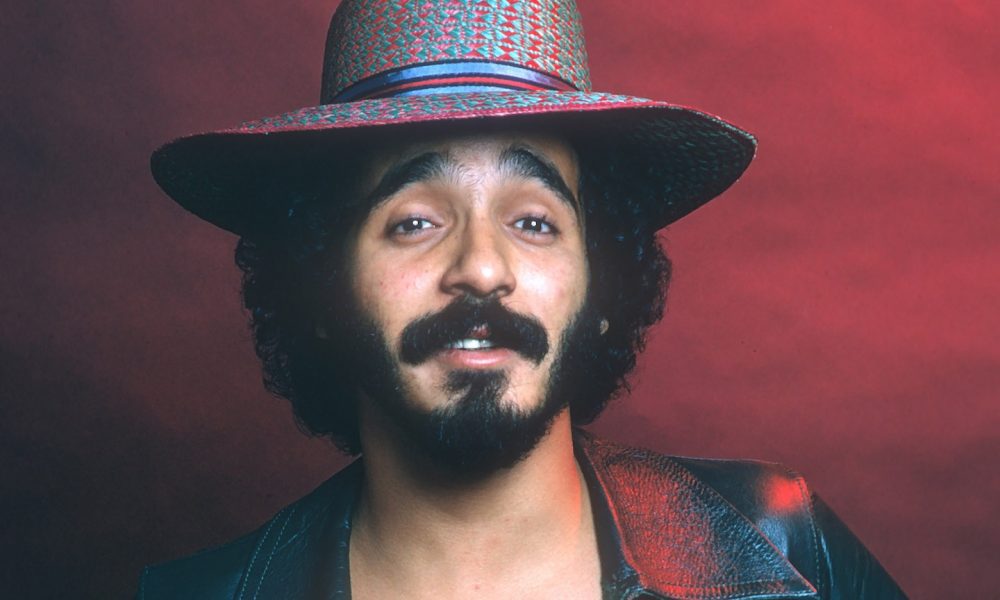
The partnership lasted until the mid-1970s, when Lavoe’s struggles with drugs began to affect his professionalism; he started showing up late and missing concerts. In 1975, Colón officially ended their musical collaboration as a regular vocalist, but their creative bond wasn’t fully severed—Colón produced Lavoe’s final album, Strikes Back, in 1987.
Partnership with Rubén Blades
Although Willie Colón and Rubén Blades first met backstage at a concert in Panama in 1969, their true creative partnership didn’t begin until six years later. In 1975, Colón was working on a new album, The Good, the Bad, the Ugly, and chose to record “El Cazanguero,” a song written by Blades. After an incredibly successful studio session, Colón invited Blades to join the band, replacing Héctor Lavoe, who had recently left the group.
The new partnership quickly became a sensation. In 1978, Colón and Blades released the album Siembra, which became the most successful release in Fania’s history and remained one of the most popular salsa records well into the 21st century. Despite the wild success, things were tense behind the scenes, with Blades frequently clashing with Fania president Jerry Masucci over financial issues.
During this period, both musicians also pursued solo projects: Colón released El Baquiné de Angelitos Negros in 1977 and Solo in 1979, while Blades released Maestra Vida in 1980. However, none of these albums matched the commercial impact of Siembra.
In 1981, Colón and Blades teamed up again, with Blades providing backing vocals on Colón’s solo album Fantasmas. The following year, they released their joint album Canciones del Solar de los Aburridos, which went on to win a Grammy Award.
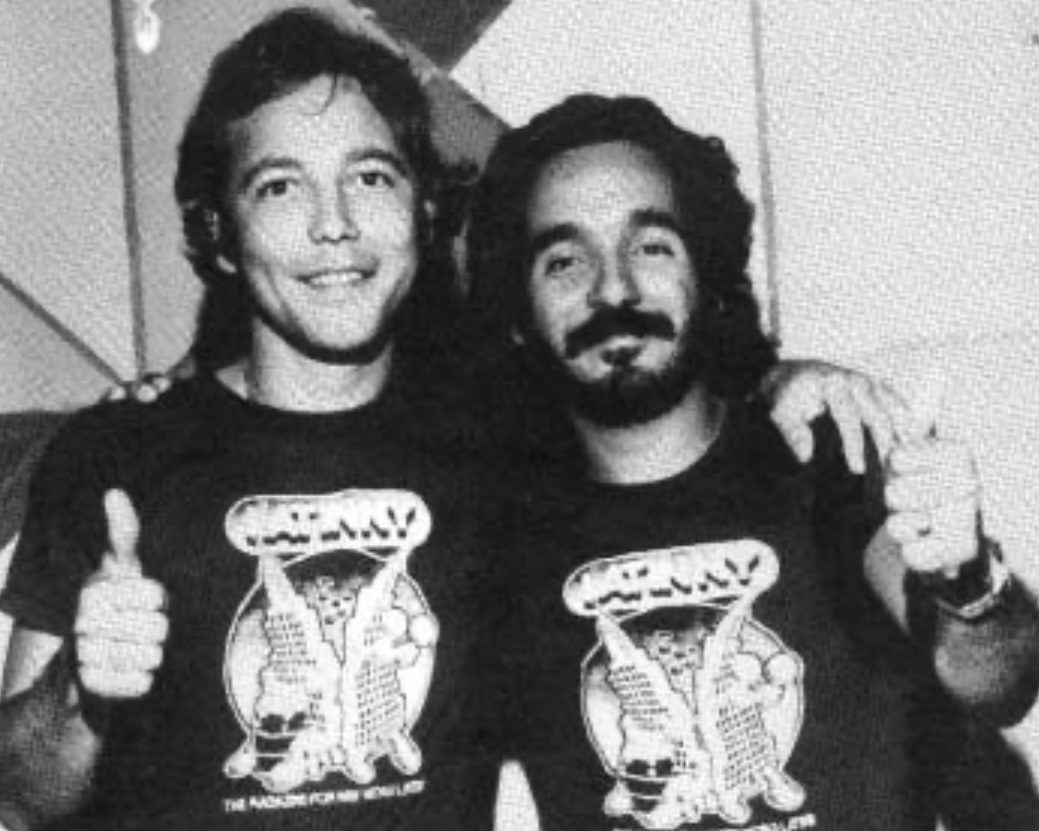
But again, disagreements arose between the two musicians. They went their separate ways, this time with a very public falling out. They didn’t speak for many years until they reunited on stage in March 1992 at the Hiram Bithorn Stadium in San Juan, Puerto Rico. In 1995, they released the album Tras la Tormenta, though they recorded their parts separately, never meeting in the studio. Despite this, the duo performed together on stage at the Hollywood Bowl in 1997, after which they embarked on a series of successful concert tours.
Other Collaborations and Solo Career
1975 was also a period of intense development for Colón as a musician. He juggled leading the band Latin Jazz All-Stars with studying music theory, composition, and orchestration. His efforts quickly paid off: in 1978, he earned several prestigious titles—”Musician of the Year,” “Producer of the Year,” and “Trombonist of the Year,” according to readers of Latin New York magazine. That same year, his composition “Che Che Cole”—an adaptation of a Ghanaian children’s song—was used by playwright Ntozake Shange in her celebrated play, For Colored Girls Who Have Considered Suicide When the Rainbow Is Enuf, which became a landmark event in African American theater.
In the late 1980s, Willie Colón put together a new band called “Legal Alien,” which included talented young musicians. With his new team, he signed a contract with Sony and, in 1990, released the album Color Americano, which combined socially conscious lyrics with innovative salsa arrangements.
In 1993, Colón assembled an all-star lineup of musicians to record the album Hecho en Puerto Rico. This release was a tribute to his Puerto Rican roots, blending a classic sound with modern elements.
In 2004, he released the new studio album Experiencia, followed by The Player in 2007, both of which confirmed Colón’s ability to stay relevant as music generations changed.
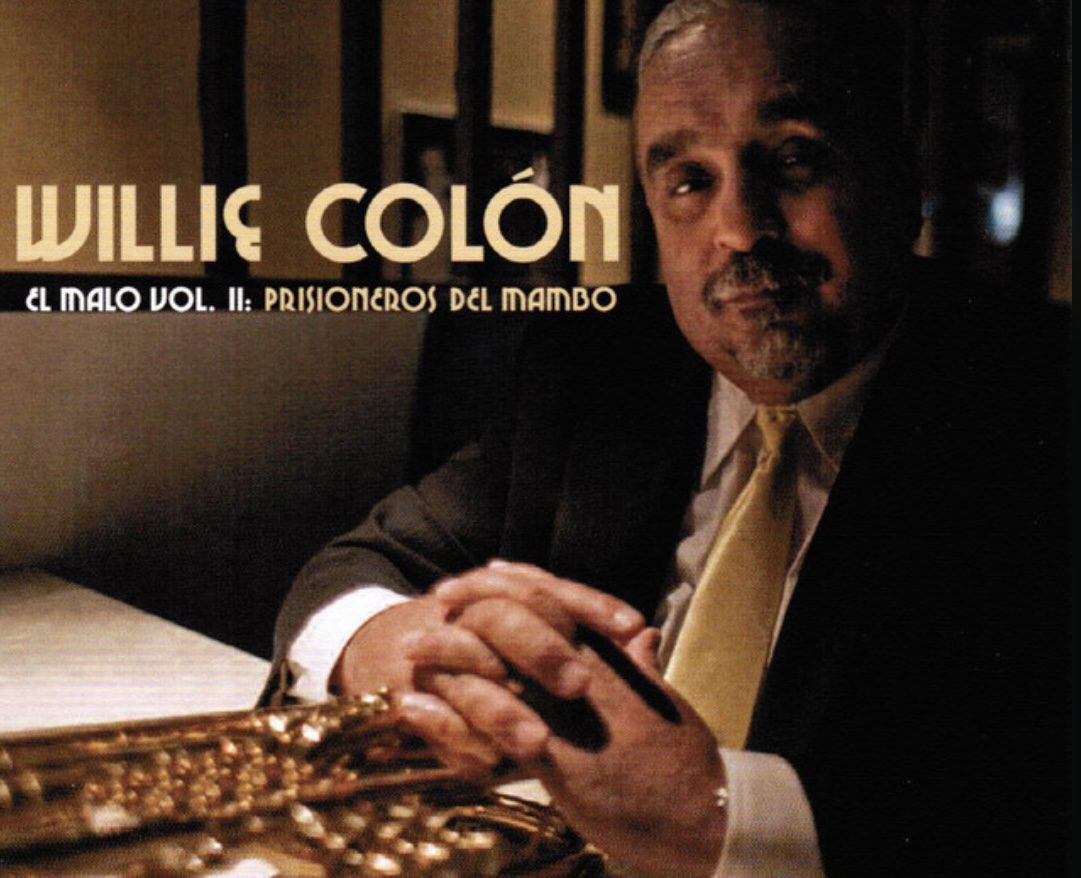
In 2008, Colón returned to his origins, releasing El Malo, Vol. 2: Prisioneros del Mambo—a contemporary-sounding sequel to his iconic debut.
Beginning in 2010, the labels Fania and Get on Down began remastering and re-releasing Colón’s best albums, allowing a new generation of listeners to discover his musical legacy. In 2015, Billboard magazine named Willie Colón one of the most influential Latin artists of all time.
The publisher Smithsonian Books once wrote:
“Willie Colón is one of the most important gods in the mythology of salsa, perhaps the most important in the whole pantheon.”
Interesting Facts
- In 2018, Willie Colón released his autobiography, Barrio de Guapos (“The Secret Life”).
- In January 1993, Colón performed at President Bill Clinton’s inauguration, a significant symbolic recognition of his public role.
- In 2001, Willie Colón ran for Public Advocate of New York City, receiving 101,393 votes in the primary. During this same period, he became the first prominent Latino to publicly endorse Michael Bloomberg for mayor, even writing a Spanish-language campaign jingle for him.
- Colón served as an advisor and liaison to the Commission on Latin American Media and Entertainment, initiated by Mayor Bloomberg in 2003. The commission also included Robert De Niro and Jennifer Lopez. In total, he served as a mayoral advisor for 12 years.
- On February 27, 2004, Colón was officially honored in Peru, where he was received by the country’s Congress.
- On June 3, 2004, Willie Colón received an honorary Doctor of Humane Letters degree from Lehman College (CUNY) for his contributions to music, poetry, and social activism.

- From 2012 to 2013, Colón was one of the most vocal critics of Venezuelan President Hugo Chávez, using social media to mobilize Latin American audiences.
- Willie Colón has created over 40 musical projects that have collectively sold more than 30 million copies worldwide.
- In 2015, Billboard magazine included Colón on its list of the 30 most influential Latin artists of all time.
- In 2000, he was inducted into the International Latin Music Hall of Fame, and in 2019, into the Latin Songwriters Hall of Fame.
- He has participated in numerous civic, cultural, and political initiatives. Willie Colón has served as: Chairman of the Association of Hispanic Arts, a member of the Latin AIDS Commission, a board member for the UN Immigrant Foundation, co-founder of the New Rochelle Hispanic Advisory Board, President of the Arthur Schomburg Coalition for a Better New York, and a member of the supervisory boards of several organizations.
- In 1999, Colón joined the “Jubilee 2000” delegation to the Vatican alongside Bono, Quincy Jones, and others. The campaign helped get $100 billion in debt for Third World countries canceled.
Willie Colón remains an iconic figure in the world of salsa, not only as a musician and producer but also as an activist who used his art as a tool to fight for social justice.
Merck Mercuriadis, Chairman and Founder of Hipgnosis Song Management (and former manager for Nile Rodgers, Beyoncé, Elton John, and others), once said:
“Willie Colón is one of the most important artists of all time, Latin or otherwise, and should be on any list of the greatest producers of all time, period.”