In 1983, he made history by becoming the first living playwright to have a Broadway theater named in his honor. His work is deeply rooted in memories of his childhood in the Bronx. That world—with its daily life, language, and characteristic personalities—often came to life in Neil Simon’s characters, dialogue, and plotlines. Many of his plays were given a second life on the big screen, becoming successful film adaptations. Read on bronx-trend.com for more about this playwright, screenwriter, and librettist, one of the most famous authors in U.S. theater history.
How Laughter Became a Lifeline in Childhood
Neil Simon was born on July 4, 1927, in the Bronx. His childhood was spent with his mother Mamie, father Irving, and older brother Danny. Family life was difficult; his parents often argued, and Irving frequently disappeared for months, leaving the family without support. During the Great Depression, money was scarce, and the boys often had to live with relatives. Young Neil found refuge from the strained atmosphere in movie theaters. There, in the dark theater, laughing at the antics of Charlie Chaplin, Buster Keaton, or the duo Laurel and Hardy, he found his own world—free from arguments and pain.
“I laughed so hard they threw me out of the movie theater,” he recalled later.
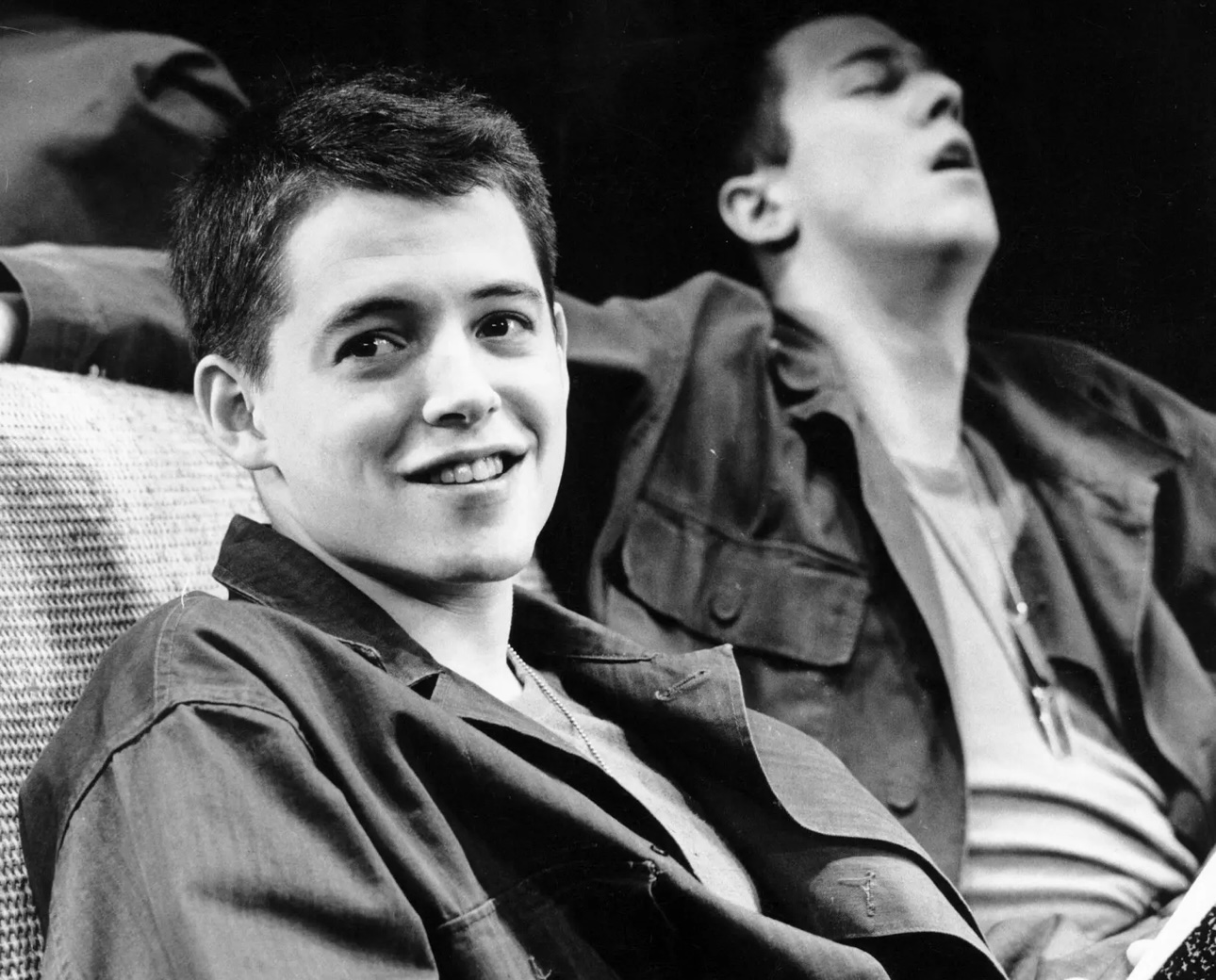
It was then that the boy understood: making people laugh is power. It was his way of treating pain.
Simon attended the well-known DeWitt Clinton High School in the Bronx, where he earned the nickname “Doc” for his shyness. By age fifteen, he was writing comedy skits with his brother Danny, who would become a mentor and television writer. Danny saw talent in him and once said:
“You are going to be the funniest comedy writer in America.”
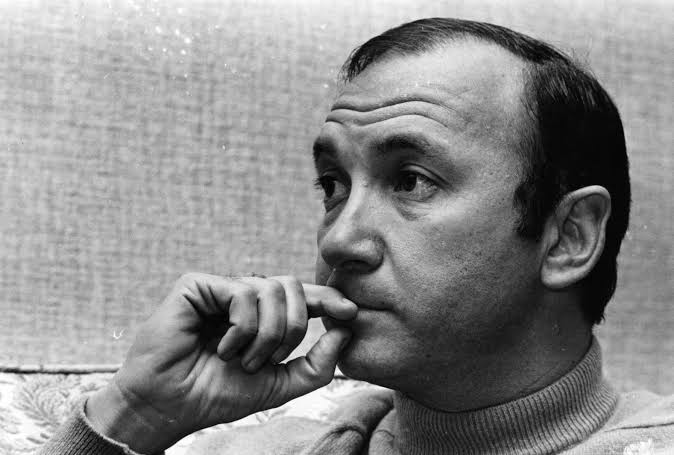
This belief from his older brother became the best motivation for Neil. After high school, he enrolled at New York University but soon joined the Air Force Reserve. At Lowry Air Force Base in Colorado, Simon worked as a sports editor for the Rev-Meter newspaper and attended classes at the University of Denver. This period later inspired his play, Biloxi Blues.
Despite a difficult childhood, Neil managed to transform pain into comedy. He admitted:
“I had to learn to laugh, so I would not cry.”
Laughter became his shield and his source of strength—and eventually, the primary language through which he spoke to the world from the stage.
Laughter on the Airwaves
After returning from the military to New York, young Neil Simon looked for any opportunity to start a creative career. He initially worked in the mailroom of Warner Brothers in Manhattan. The job was boring, but it was there that his first professional step into comedy matured. Together with his brother Danny, he wrote a humorous sketch for the popular radio producer Ace Goodman. Goodman noticed the talent in the young men and offered them spots on his writing staff. That’s how the Simons first entered the world of radio and television.
By the late 1940s, the brothers were writing comedy material for stars like Milton Berle and Jackie Gleason. But the real breakthrough came when they were invited to join Sid Caesar’s legendary show, Your Show of Shows. This project brought together an unprecedented team of future stars—Neil worked alongside Mel Brooks, Woody Allen, Carl Reiner, Larry Gelbart, and Selma Diamond. The atmosphere was explosive: dozens of jokes were born daily, and every broadcast became an event.
“I realized I had fallen into the most talented group of writers ever assembled,” Simon recalled.
It was here that he polished his sense of rhythm, dialogue, and comedic timing—skills he later brought to the theatrical stage.
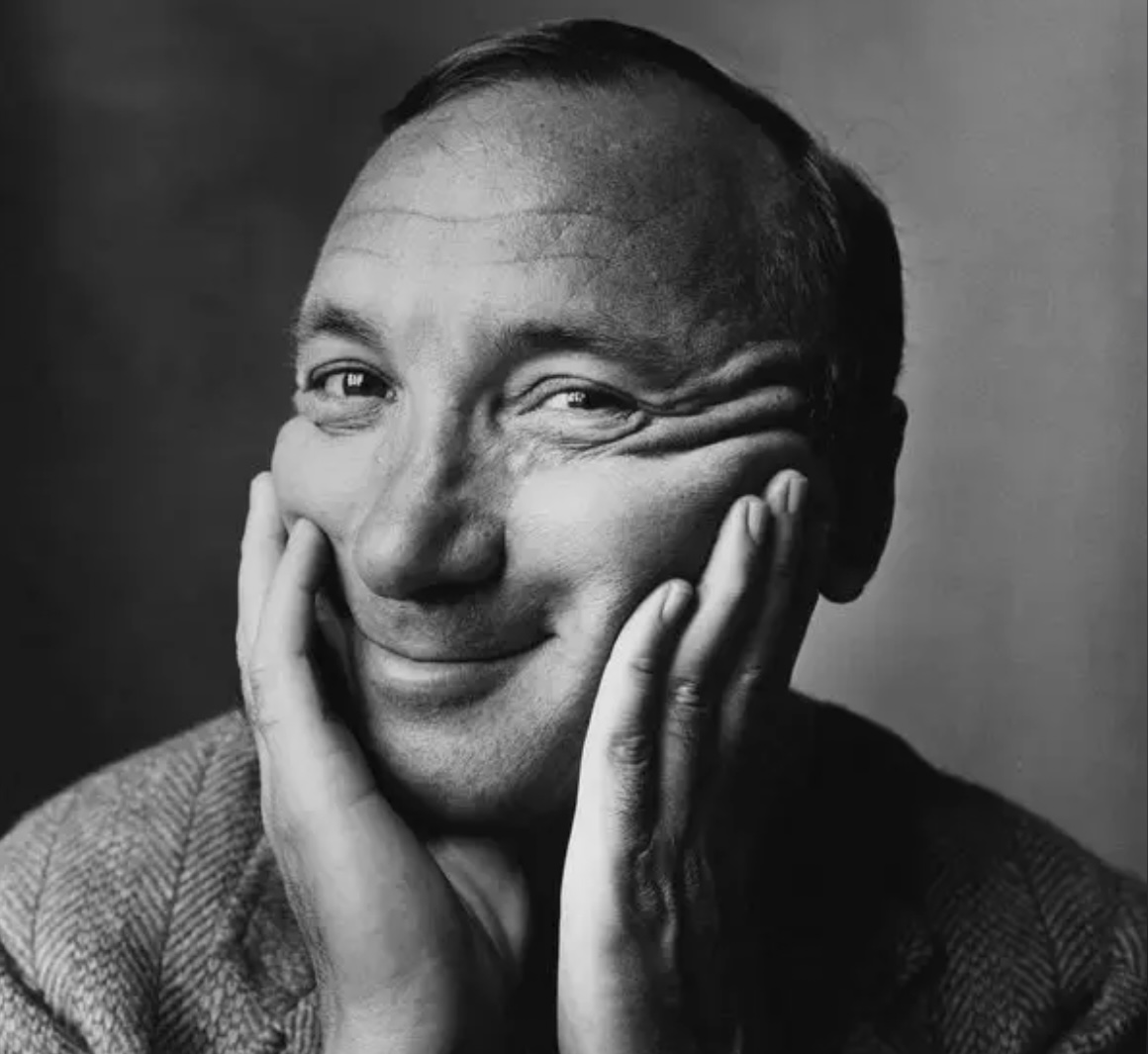
After ending his collaboration with his brother in the mid-1950s, Neil continued on his own, writing for hits like The Phil Silvers Show and The Garry Moore Show. His work on television earned him an Emmy Award, cementing his reputation as one of the best comedy writers of his generation. Simon later confessed that those five years in radio and television were the best schooling he ever received:
“I learned more about what I wanted to be than in all the years before. Those shows taught me how laughter is born—and how to hear it.”
The King of Broadway Comedy
In the mid-1950s, Neil Simon took a step that changed his life forever. He left television for the theater. The first work was a musical he co-wrote with his brother, Catch a Star, in 1955, followed by years of hard work on his own play. After nearly twenty rewrites, his first solo Broadway production, Come Blow Your Horn, premiered at the Brooks Atkinson Theatre in 1961. It was a massive hit and ran for over a year. Simon later confessed:
“The theater and I found each other.”
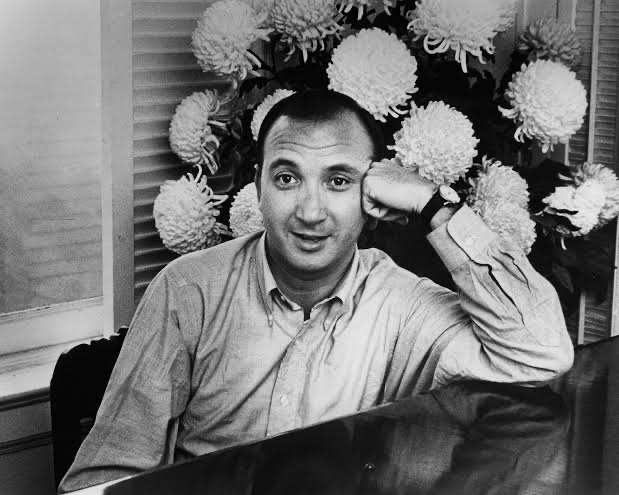
The real ascent came in 1963 with the tender comedy about a young couple learning to live together in a cramped New York apartment: Barefoot in the Park. Its warmth, lightness, and wit made Neil a new Broadway star. Two years later, The Odd Couple—a story about two incompatible roommates—earned him a Tony Award and the status of America’s most successful playwright.
By the late 1960s, Neil Simon’s name was synonymous with Broadway success. During the 1966–1967 season, four of his productions were running simultaneously—a genuine record! Simon’s comedies brought him over a million dollars a year, a feat no other playwright had achieved in Broadway history.
Simon was a master of blending humor and sincerity. His characters were ordinary people caught in extraordinary life situations. They fight, fall in love, divorce, dream, and laugh through their tears. The playwright himself admitted:
“I write about what I know—about loneliness, about marriage, about how hard it is to be happy.”
In the 1970s, Simon created a series of hits: The Sunshine Boys, Chapter Two, and California Suite. His plays became films that sold out theaters and earned Oscar nominations. In the 1980s, Simon turned to his own past, creating the autobiographical “Eugene Trilogy”: Brighton Beach Memoirs (1983), Biloxi Blues (1985), and Broadway Bound (1986). In these works, Simon allowed himself not only laughter but also nostalgia, pain, reflections on his Bronx childhood, and the search for identity. This trilogy earned him the most heartfelt critical reviews and another Tony.
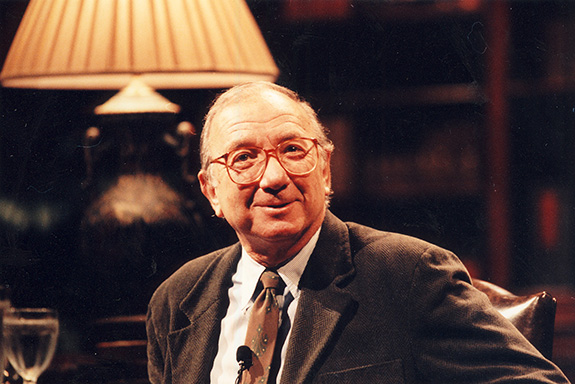
In 1991, Neil Simon received the highest honor of his career—the Pulitzer Prize for Drama—for his play Lost in Yonkers, which blended humor, pain, and humanity with unprecedented depth.
Despite the fact that his later works, such as The Dinner Party or Rose’s Dilemma, did not repeat his former success, Simon remained an unrivaled master of the stage. He wrote 49 plays, received 17 Tony Award nominations, and became the most financially successful playwright in Broadway history.
His stories are comedies about life, in which laughter always heals.
“I don’t write tragedies,” Simon said. “I just show how hard it is for people to be happy and let them laugh while they’re doing it.”
Love, Loss, and Legacy
Neil Simon’s life offstage was filled with both creative triumphs and personal losses. In 1953, he married dancer Joan Baim. They lived together for twenty years and raised two daughters, Nancy and Ellen. Tragically, in 1973, Joan died of bone cancer, and this loss profoundly affected the playwright. Their daughter, Ellen, later became a writer herself, creating a semi-autobiographical play that inspired the films Moonlight and Valentino.
The same year Simon was widowed, he met actress Marsha Mason, and they formed a brilliant creative and personal partnership. Marsha starred in several films based on his screenplays, and their ten-year marriage (1973–1983) became a period of great inspiration for Simon.
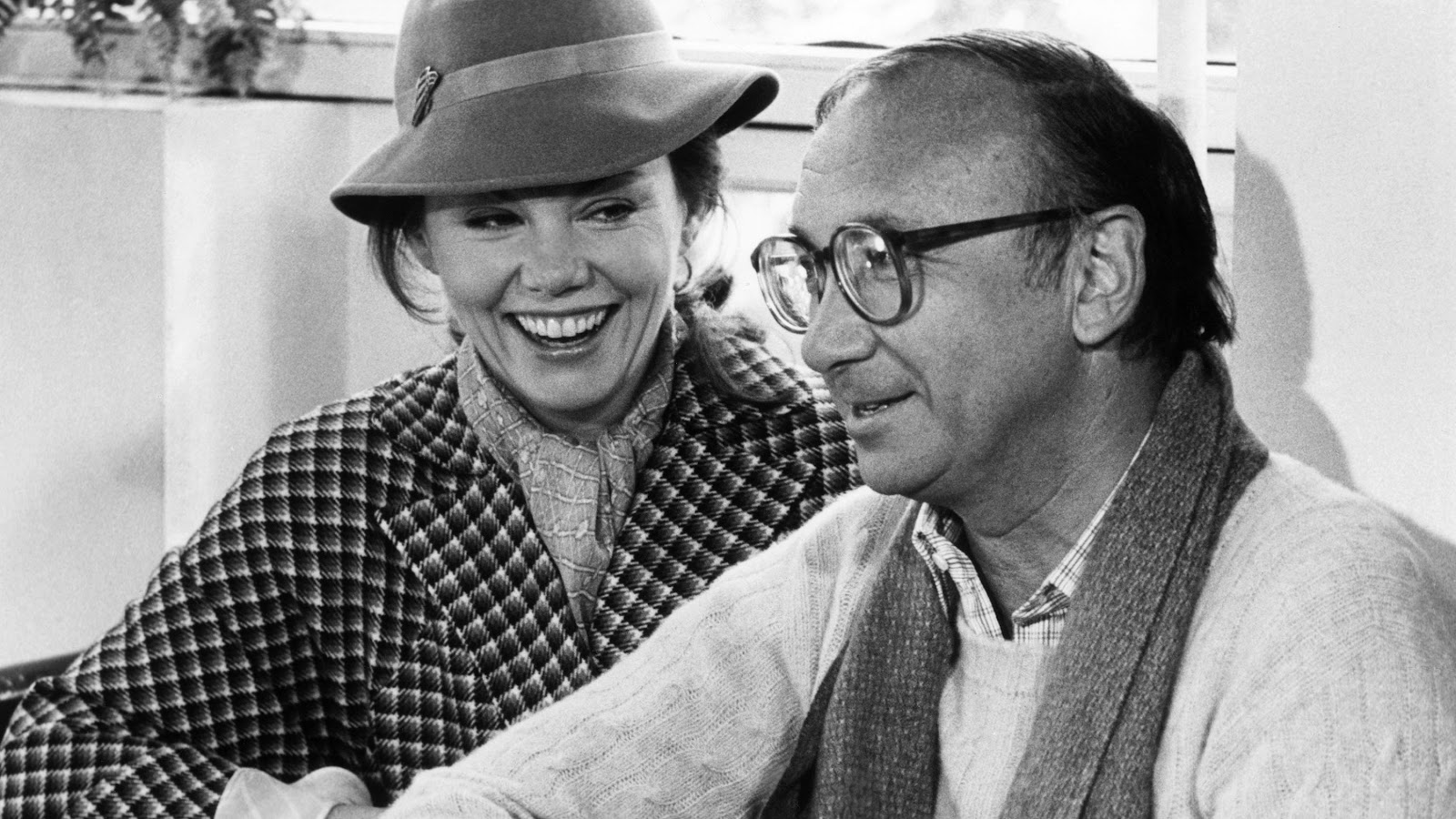
Afterward, Neil married actress Diane Lander twice, adopting her daughter Bryn, and in 1999, he married actress Elaine Joyce, with whom he remained until his death.
Despite his love for humor, Simon’s life was not easy. In 2004, he underwent a kidney transplant from his close friend, publicist Bill Evans, and later suffered from Alzheimer’s disease. Neil Simon died on August 26, 2018, in New York City at the age of 91 from complications due to pneumonia.
In 1983, the Alvin Theatre on Broadway was renamed the Neil Simon Theatre—it was the first time a theatrical venue had been named after a living playwright. That same year, he was inducted into the American Theater Hall of Fame.
Furthermore, Neil Simon held three honorary degrees from leading U.S. universities, and in 2006, he received the Mark Twain Prize for American Humor—the highest honor in the country for a comedy writer.
After his death, he left behind not only his texts but entire theaters, festivals, and generations of playwrights he inspired. In 2003, the Neil Simon Festival was founded in the U.S. to preserve his creative legacy.

In his autobiography, Simon summed up his life with words full of the same sincerity and self-deprecating humor as his characters:
“Playwriting is a haven for the man who wants to be master of his own world. And if not a haven… then at least an escape from hell.”