


Today, Pregones is one of the most influential Latino theaters in the United States. Over the years, it has staged more than 80 bilingual premieres and conducted over 500 tours, visiting more than 400 cities in 13 countries. All the while, it has remained true to its mission of bringing Latino art to a broad audience. Read on for the story of how Pregones Theater was founded and its path to success at bronx-trend.com.
The Founding of Pregones Theater and Its Mission
Most great things start with a dream. In 1979, three artists in New York—Rosalba Rolón, David Crommett, and Luis Meléndez—dreamed of creating a theater in the spirit of Latin American and Caribbean performance groups. This is how Pregones Theater was born. Their initiative made perfect sense, as New York has always had a large Latino community, with certain boroughs like the Bronx having a predominantly Caribbean and Latin American population. In the beginning, Pregones Theater had no permanent home, so the troupe traveled, performing plays in Spanish for communities in New York and the surrounding states. Over time, with the support of audiences and patrons, they managed to raise the funds to open their own theater in the South Bronx.
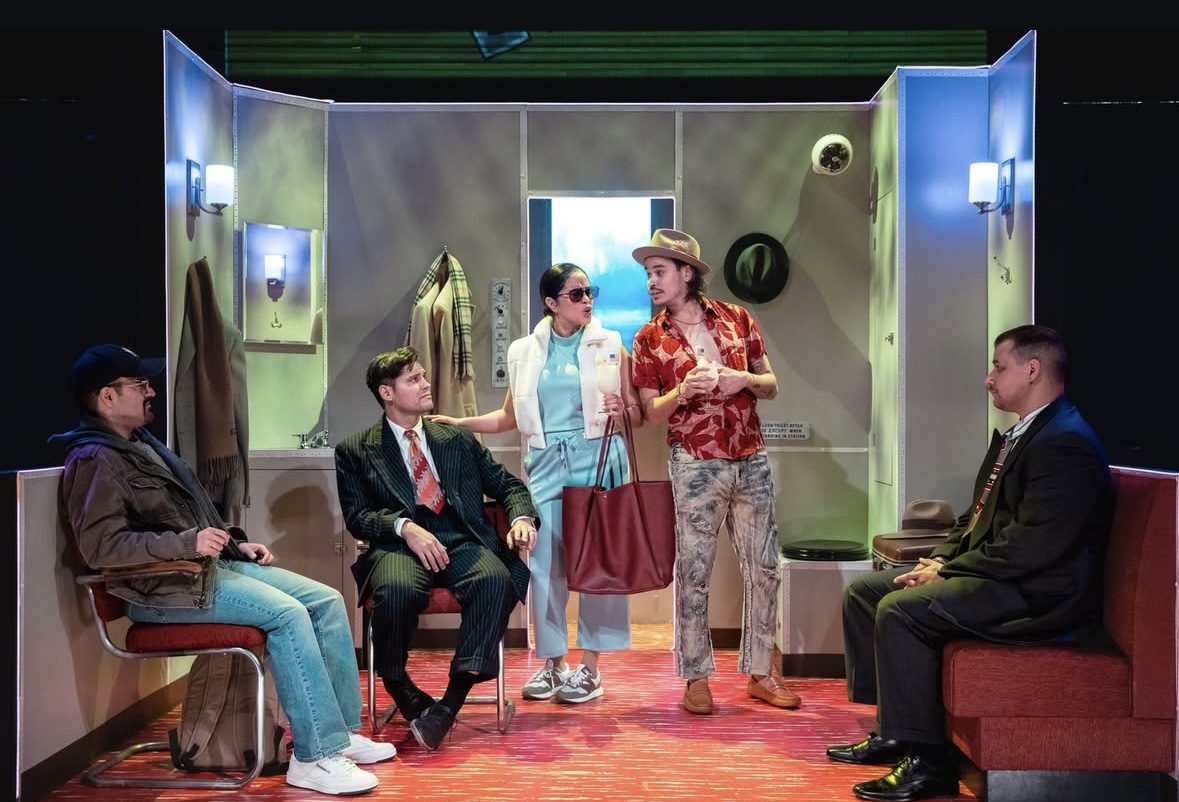
Pregones operates in one of the city’s most marginalized neighborhoods, and it’s here that it performs a vital social function: shaping a positive image of Puerto Rican identity, challenging racist clichés, and supporting the local community. It may not resemble the glamorous, sophisticated Lincoln Center, but that’s precisely where its unique character lies. Pregones Theater is a powerful example of culture developing from the ground up.
The First Steps
The first production by Pregones Theater was “La Colección: A Century of Puerto Rican Theater,” a compilation of iconic plays written over a hundred years. The premiere took place in 1978 at Rutgers University. The play was accompanied by popular Puerto Rican songs and became a true celebration for the Latino community, allowing them to connect with their native culture far from home.
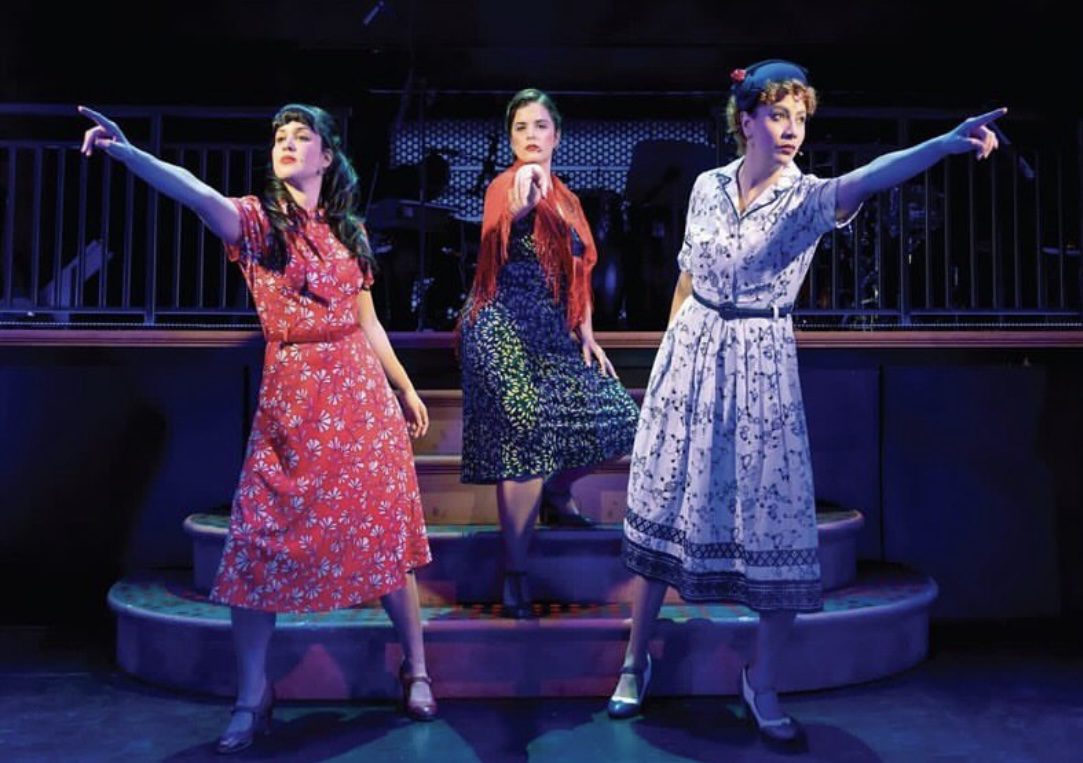
After a long tour with “La Colección,” the theater realized it needed to create new productions to continue growing. New plays emerged, and with them, new challenges. They constantly had to find rehearsal spaces, places to build and store props, and negotiate with organizers. Pregones’ first official office was on 104th Street in East Harlem. Before that, the troupe carried all their costumes and props in bags, and all organizational work was done from the actors’ homes. After seeing the exhausted actors on the subway with large bags and tired eyes, Puerto Rican artist Félix Cordero offered them the space that had previously served as his studio. The office was cold, unfinished, and unsuitable for rehearsals, but it was better than nothing. Later, other cultural organizations like Teatro Cuatro and Museo del Barrio shared their space with Pregones Theater, allowing the young artists to rehearse on their stages.
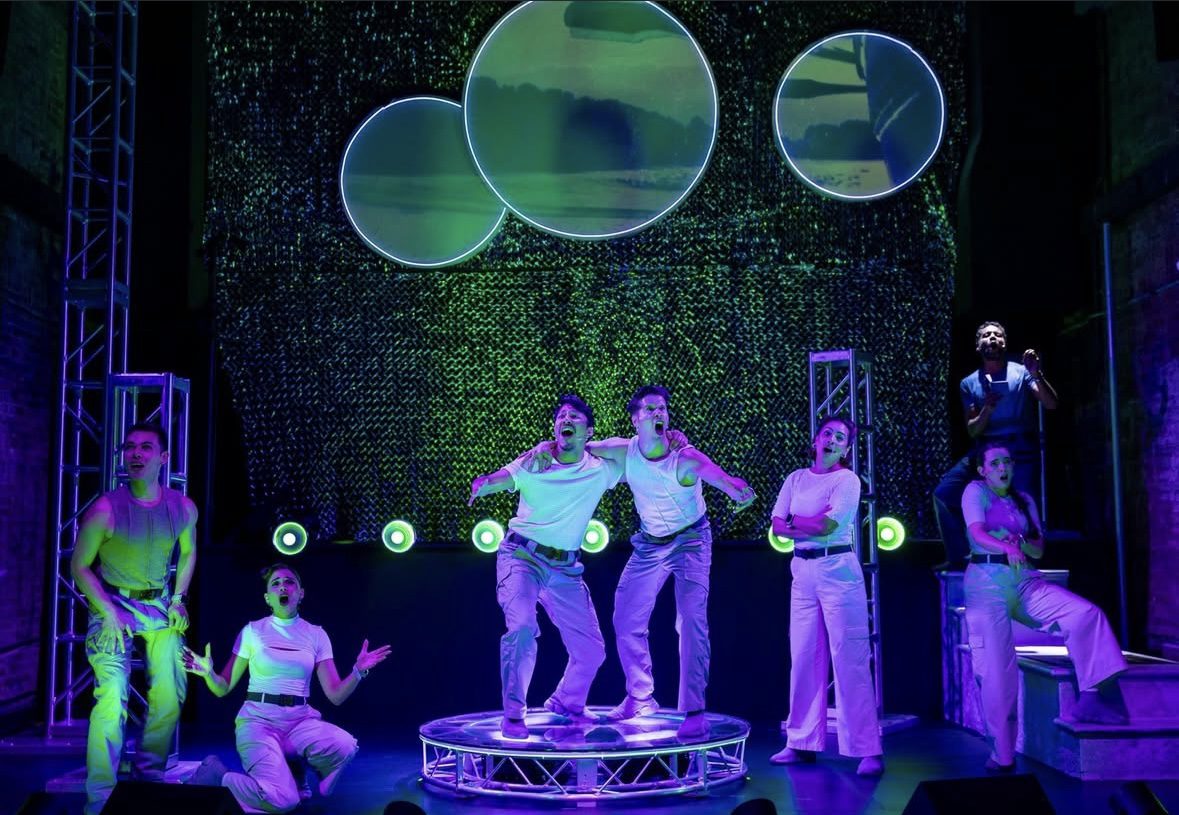
For its first ten years, Pregones staged performances exclusively in Spanish for the community of recent immigrants. Only over time did the troupe start adding English-language plays or performing in both languages to reach a wider audience.
Opening a Theater in the Bronx
In 1983, Pregones Theater left Manhattan and permanently moved to the South Bronx—the neighborhood that became their permanent home. Initially, their headquarters was in the former P.S. 39 school on Longwood Avenue. This location was convenient because it was close to the audience the troupe was aiming for.
In 1985, St. Ann’s Church offered Pregones their space—first a gym for prop storage, and later the entire building to serve as their primary base. Hudson Scenic, a company that provides technical support for many Broadway shows, also helped, donating equipment, lighting, and even recruiting volunteer workers from among Bronx residents.
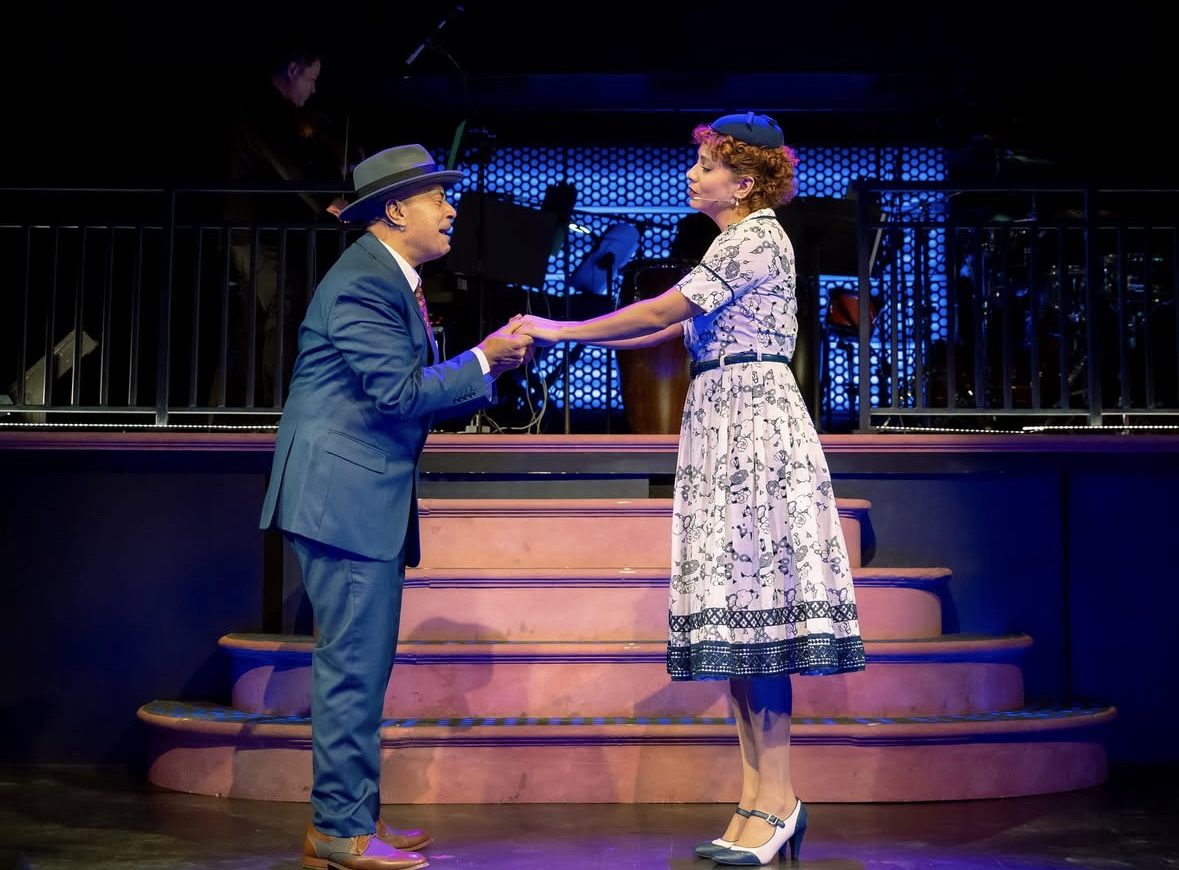
However, in 1994, the church’s administration changed, and Pregones had to find a new location. They found temporary refuge at 700 Grand Concourse, where they set up a small space with 50-60 seats. At the same time, the theater used other spaces—the Hostos College stage, the Puerto Rican Traveling Theater, the Bronx Museum, and the Lincoln Hospital auditorium. This allowed them to build close partnerships with local cultural institutions and gain extensive experience performing on various, sometimes very makeshift, stages.
Finally, in 2004, Pregones was able to purchase its own space after decades of wandering all over New York City. It was an old warehouse at 571 Walton Avenue, which the team gradually transformed into a cozy, comfortable space that housed a lobby, a bar, dressing rooms, technical facilities, and a 130-seat theater with a large stage. Later, they bought the neighboring wooden building—a former residence—which they converted into offices and a recording studio. All of this was made possible through government support, philanthropists, and funds earned from performances.
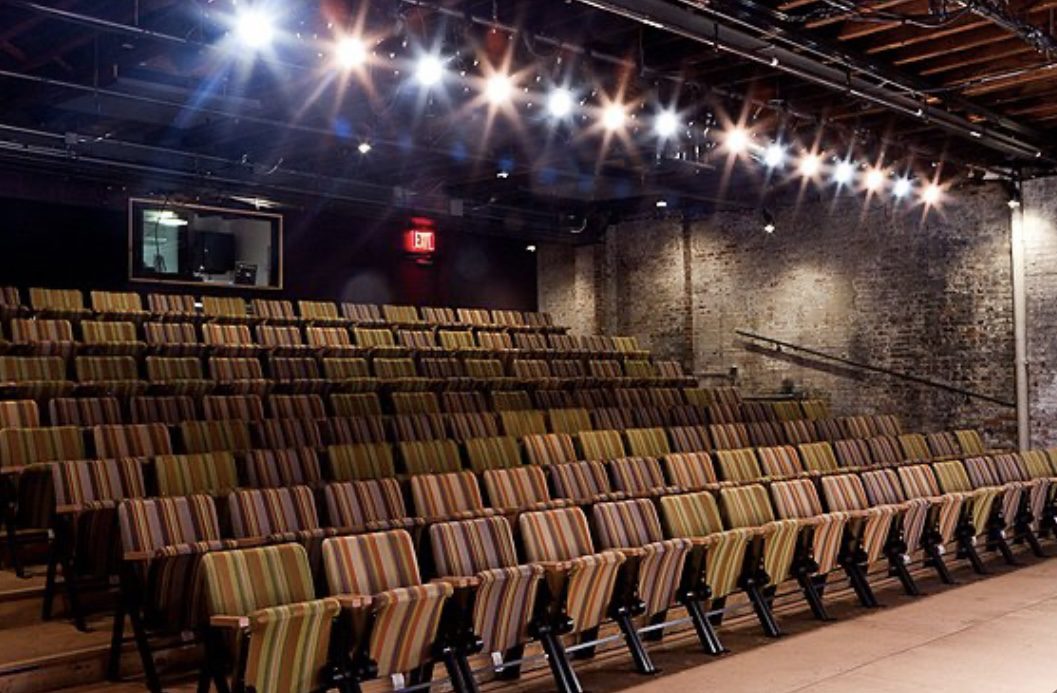
In 2013, Pregones merged with the Puerto Rican Traveling Theater under the motto: “Two great stages, one great theater.”
The Brechtian Model
Pregones Theater has earned a reputation as an innovator in urban art, combining music, drama, and social themes. In its work, Pregones uses techniques from Bertolt Brecht’s epic theater, staging productions that not only entertain but also address important social issues. Their plays aren’t just for fun; they prompt the audience to think about social problems. Pregones’ productions often have an episodic structure and use improvisation, live music, minimalist sets, and a collective approach. A common technique is the so-called alienation effect: the action is deliberately interrupted to make the viewer not just empathize but to think, maintaining a certain emotional distance.
Although Pregones doesn’t officially call itself a political or educational theater, its work often serves precisely that function—not by imposing an ideology, but by stimulating political and social consciousness. In its work, Pregones explores the social realities associated with labor migration caused by economic conditions. The theater strives to overcome the barriers of isolation that arise from the displacement of communities. At the same time, they emphasize that moving doesn’t necessarily mean losing one’s culture.
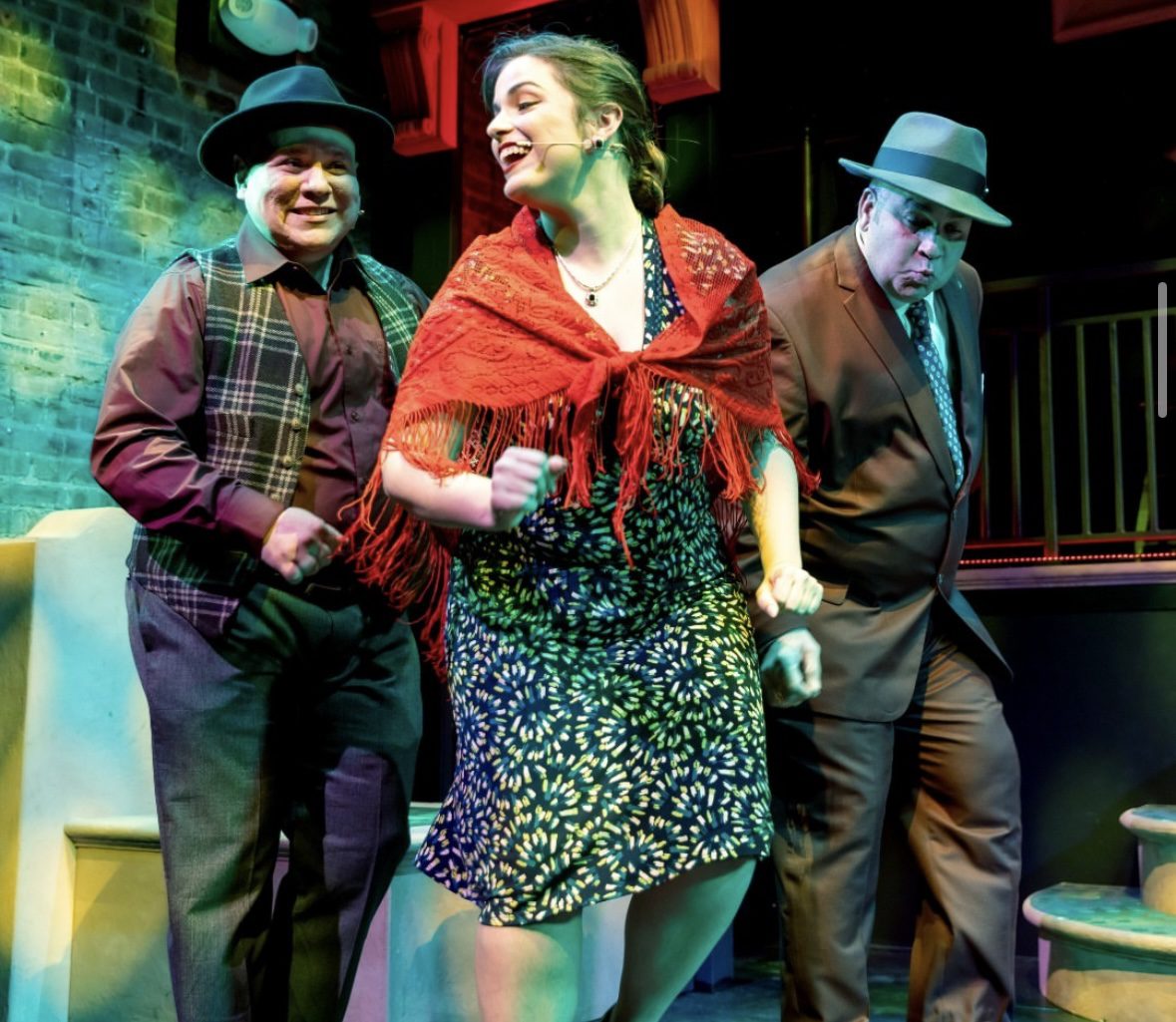
One of the theater’s founders, Rosalba Rolón, made a metaphorical observation that for Puerto Ricans, their suitcases are always packed—they are constantly on the move yet remain in one place. This is why Pregones began staging bilingual shows, recognizing that New York isn’t just a place to live, but an extension of Puerto Rican culture.
Educational Projects, Awards, and Tours
Pregones Theater hosts several permanent and many project-based educational programs. It offers anyone interested in theater arts the skills, resources, and opportunities to be creative. Programs for professional development for playwrights, theater marathons, programs for seniors, and more are all a part of their work.
Pregones is also expanding the theater’s influence beyond New York. Some of its biggest initiatives include:
- an annual summer tour of New York in the format of a Stage Garden Rumba;
- a 25-year collaboration with Roadside Theater from Appalachia, which resulted in the premiere of the musical Betsy!;
- a 10-year international exchange program with theaters from Peru, South Africa, Slovakia, Belgium, and the Netherlands;
- collaborations with cultural partners in Washington, Florida, California, Hawaii, Alaska, and many other states.
Pregones has long been recognized as a leader in the field of Latino theater in the United States.
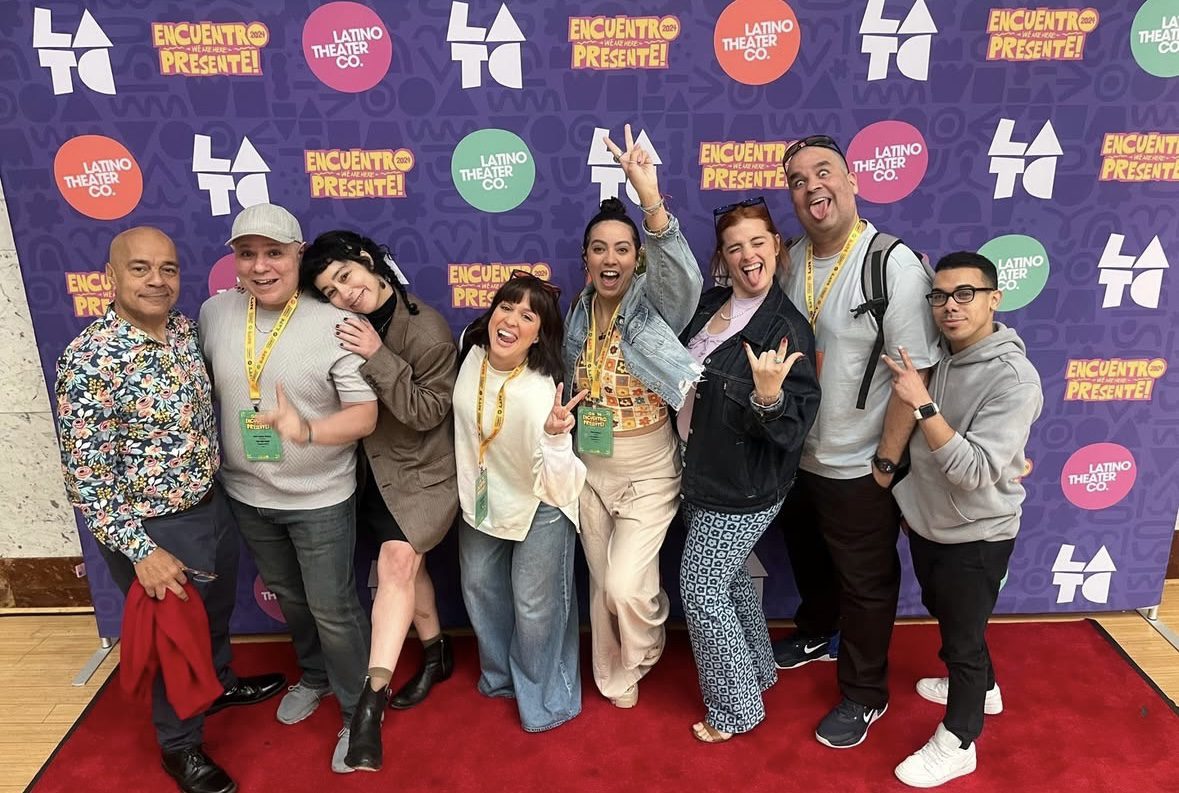
It has received numerous awards, from government grants to international festival invitations (including “Leading National Theater Ensemble” from the Doris Duke Charitable Foundation, “Major Cultural Institution” from the New York State Council on the Arts, the New York State Governor’s Arts Award, and the “Culture and Humanities” award from the Center for Puerto Rican Studies, among others).