


Latin American culture is popular around the world, and in the Bronx, it’s not unusual to hear Spanish spoken and salsa music playing. One of the best places to experience this is the Lehman Center for the Performing Arts. After the deep crisis of the COVID-19 pandemic, it was a struggle for the center to get back on its feet, but thanks to the tireless work and dedication of its director, the Lehman Center has reopened its doors to fans of Latin American culture. Find out more at bronx-trend.com.
Lehman Center’s Origins
Although the Bronx is known as the global center of hip-hop, salsa holds an equally important place here. The genre is deeply rooted in the borough’s culture. After World War II, many Puerto Ricans arrived in New York, bringing their music and traditions with them. And while the neighborhood has changed over time, the Hispanic community still plays a vital role in shaping the Bronx’s musical and cultural identity. The Latino population in the Bronx is huge; it’s the only borough in New York where this group makes up the majority, at over 53%. So it’s no surprise that the cultural sector has many communities and organizations dedicated to supporting Latin artists.
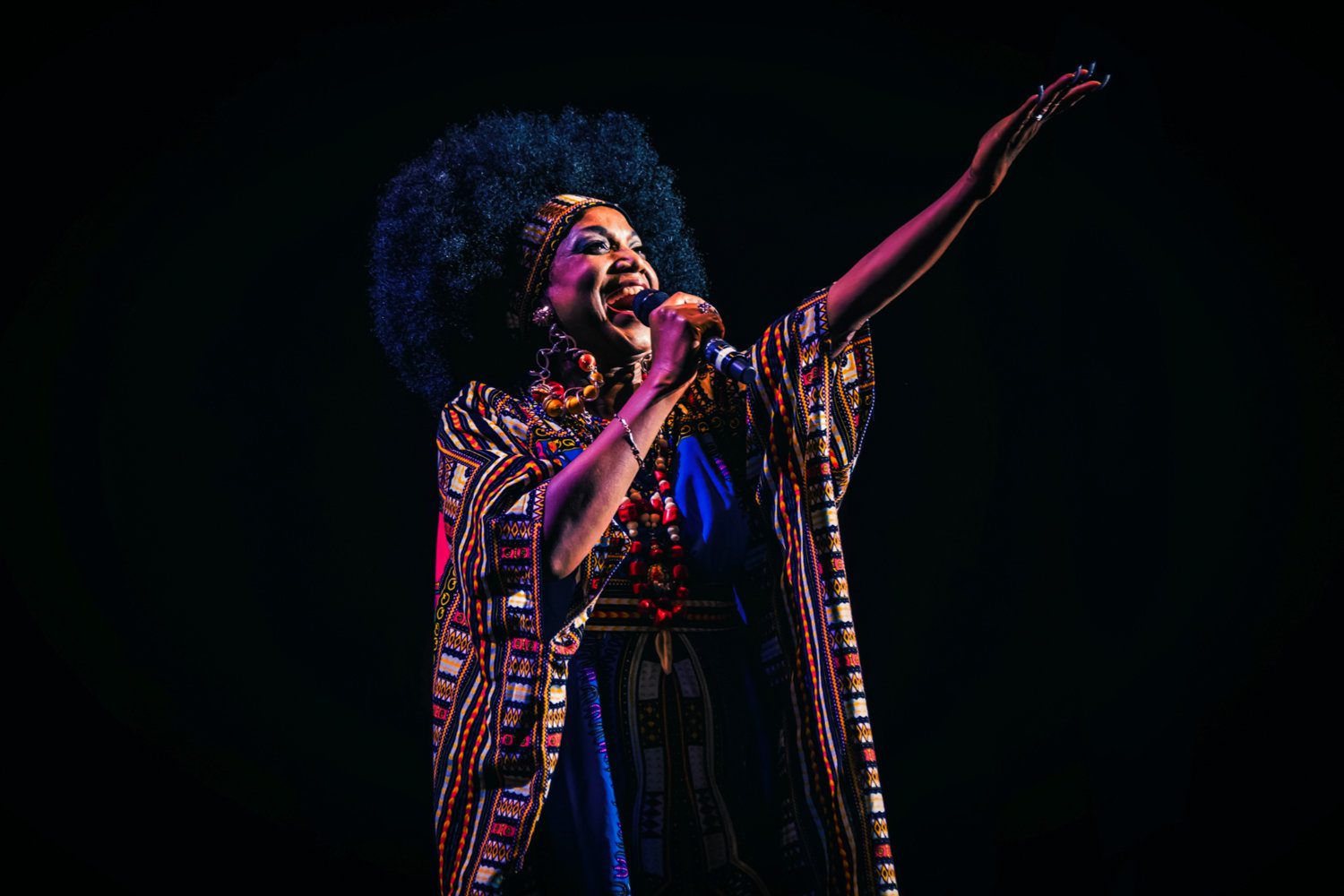
The Lehman Center for the Performing Arts opened in 1980. It was designed by Jan Hird Pokorny and the architectural firm David F.M. Todd & Associates. The center operates as an independent nonprofit organization, welcoming over 200,000 visitors each year during its concert season from September to June. It also hosts school graduations and numerous community events.
Salsa legend Willie Colón, a Bronx native, said in an interview that the center is a real point of pride for the borough.
“I love to perform here; the energy makes this place feel like home to me,” he said.
Another star salsa artist, José Alberto “El Canario,” also called the Lehman Center one of his favorite places to perform:
“The Bronx is the heart of salsa. And even though I’m Dominican, the local audience makes me feel like one of their own.”
Over the decades, the Lehman Center stage has hosted famous artists like José Feliciano, B.B. King, Eddie Palmieri, and Joan Rivers. When it opened, it was the only major cultural center in the Bronx, with a seating capacity of 2,275. Even 45 years later, it remains the largest concert venue and a key hub for Latin American art in the borough.
Major Renovation
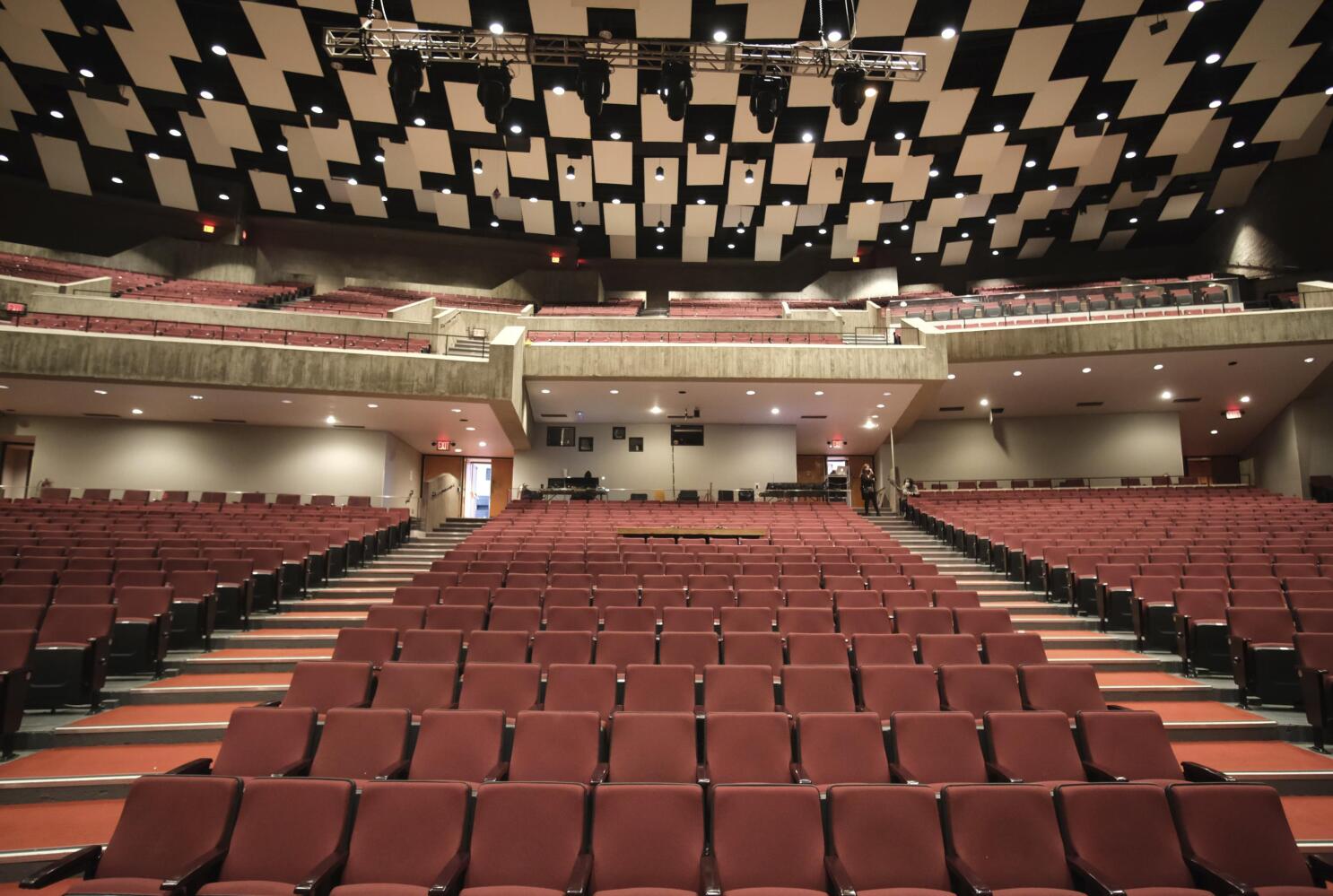
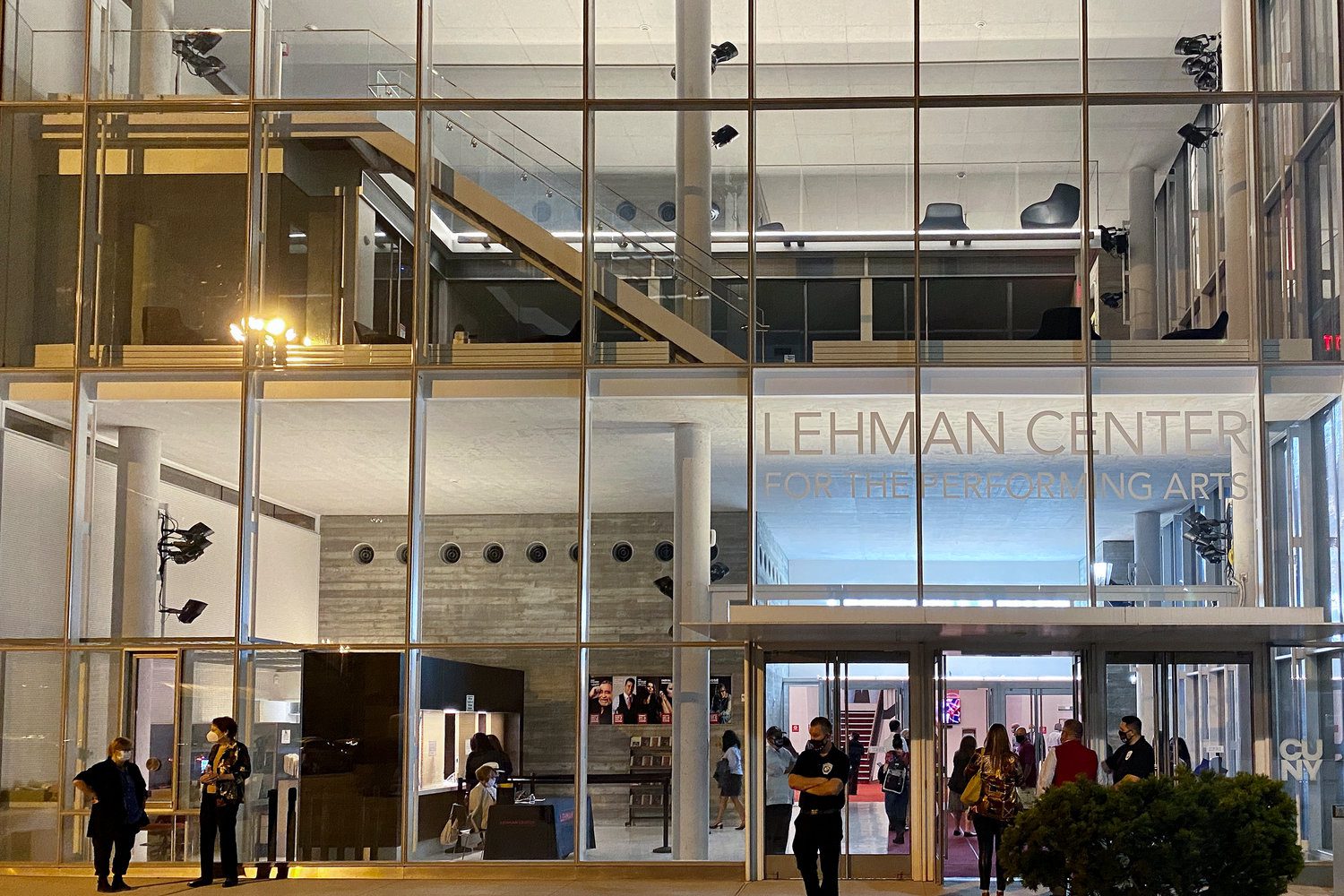
In November 2017, the Lehman Center began a major reconstruction that lasted just under two years. The renovation added over 5,500 square feet of new space. Key upgrades included a stunning new main entrance and a spacious glass lobby. Other improvements were new seating, a renovated box office, ADA-compliant ramps, a new elevator to the balcony, updated restrooms, event spaces, flooring, and administrative offices. The Lehman Center became even more welcoming and comfortable. Soft seating, carpeted aisles, accessibility for people with disabilities, and other new features were a pleasant surprise for visitors to the renovated center.
The official ceremony for the completion of the renovation featured esteemed guests, including City University of New York (CUNY) Chancellor Félix V. Matos Rodríguez, Vice Chancellor for Infrastructure Judith Bergtraum, Bronx Borough President Ruben Diaz Jr. (a Lehman College alumnus), and city council and assembly members.
“You no longer need to go to Manhattan to enjoy the arts—it’s all right here in the Bronx,” said Rodríguez.
According to him, the revitalized center embodies CUNY’s cultural mission to be a source of creativity and inspiration not only for students but for local residents, too.
Revival After the Pandemic
But the joy of the new and improved Lehman Center was short-lived. The infamous pandemic impacted this cultural hub, too. Like all entertainment venues, the Lehman Center was forced to close its doors for an extended period. The break lasted for a long 19 months.
Finally, in the fall of 2021, the Lehman Center reopened. The return was celebrated with a lively concert featuring Andy Montañez, known as the “Godfather of Salsa,” along with The Mambo Legends Orchestra and Patti Padilla. Despite strict rules—vaccination, masks, and other safety measures—the magic of art prevailed. The artists and audience were thrilled, and the long hiatus only strengthened the emotional bond between fans of authentic Latin music.
Reopening was an uphill battle. The Lehman Center had closed shortly after its $15.4 million renovation was completed. It lost 90% of its income. Federal support was a lifeline—a $1 million grant from a relief program for shuttered arts venues. While the process was complex and involved constant paperwork and endless Zoom meetings, the Lehman Center’s leadership successfully secured the funding.
Lehman College President Daniel Lemons emphasized that the center’s reopening in its 40th anniversary year held special significance. It confirmed that despite all its hardships and obstacles, the Lehman Center remains a leading cultural institution in the Bronx, proudly representing the art and energy of the Latin community in a time of great change.
Under the Leadership of Eva Bornstein
But it’s unlikely the Lehman Center would have been able to rise again after the pandemic without its incredible director, Eva Bornstein, who fought for its survival with all her strength and resources.
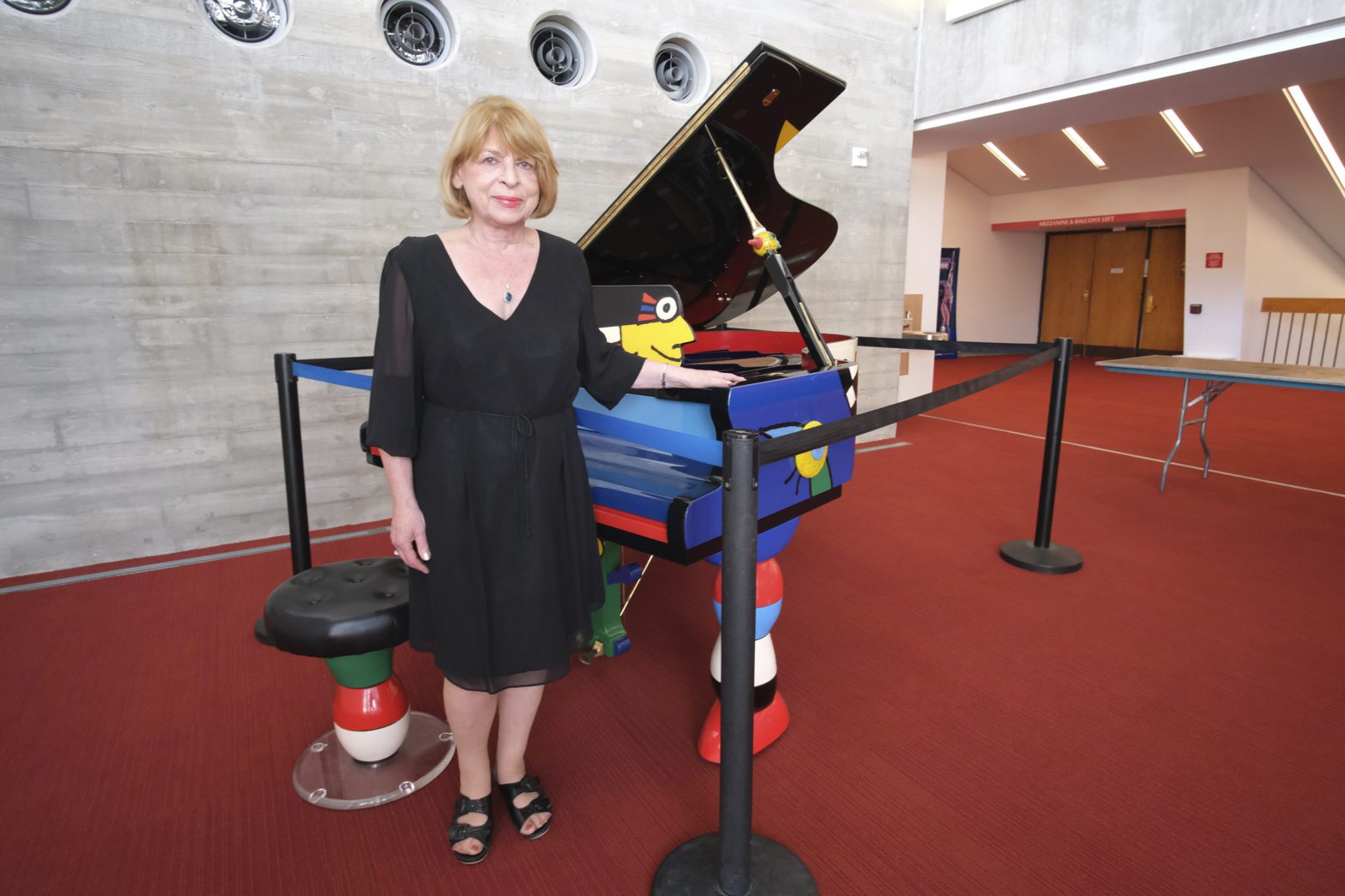
Before she took the helm at the Lehman Center, she had no experience with Latin music; her professional background was primarily in classical arts: opera, symphonies, and ballet. Eva Bornstein already had a successful career, having worked at leading arts institutions in the US and Canada, including the Woodstock Opera House in Illinois, the Fairfield Orchestra in Connecticut, and the Mozart Festival in Canada, which she founded.
Eva’s guide to mastering salsa and understanding Latin music culture was Janet Sanchez, a longtime Lehman Center employee who had worked there since 1996. Sanchez introduced Bornstein to the history of the genre, its key performers, and popular songs. Sanchez was born in the Bronx but grew up in Puerto Rico. She would bring in CDs, and together with Bornstein, they would discuss the music and decide what to bring to Lehman. Thanks to the collaboration of two fantastic women—a sincere fan of Latin music and a talented arts manager—the Lehman Center was completely transformed.
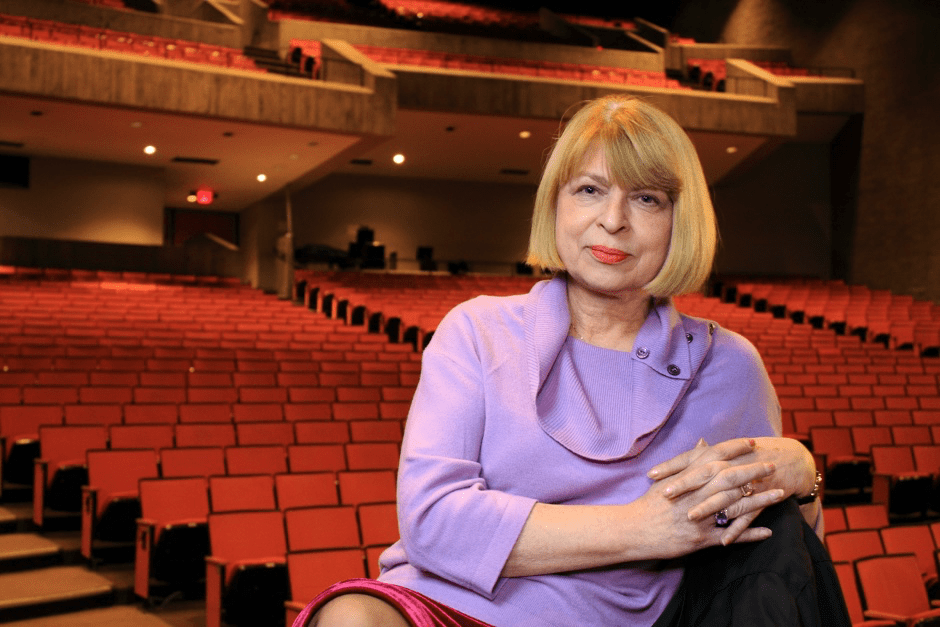
Eva Bornstein was determined to create something truly special and needed in the Bronx. Before she became director, few people knew about the Lehman Center, and events were rare. The new director recalls how she realized that the Bronx had gone from being a predominantly Jewish neighborhood to a hub of Latin American culture:
“I drove around the neighborhood, listened to what was playing in people’s cars, and realized—people were listening to salsa, merengue. That became the impetus to rethink the center’s program. Everyone told me I was crazy and that people in the Bronx wouldn’t be able to afford tickets to such concerts, but I took a chance.”
One powerful example of the new direction was the “Palladium in the New Millennium” concert—a tribute to the legendary Palladium Ballroom where the “Big Three” of salsa, Machito, Tito Puente, and Tito Rodríguez, once performed. Their sons, who continue the tradition under the name The Big 3 Palladium Orchestra, took to the stage. Tickets ranged from $25 to $100, which was far more affordable than Manhattan venues. The hall was completely full.
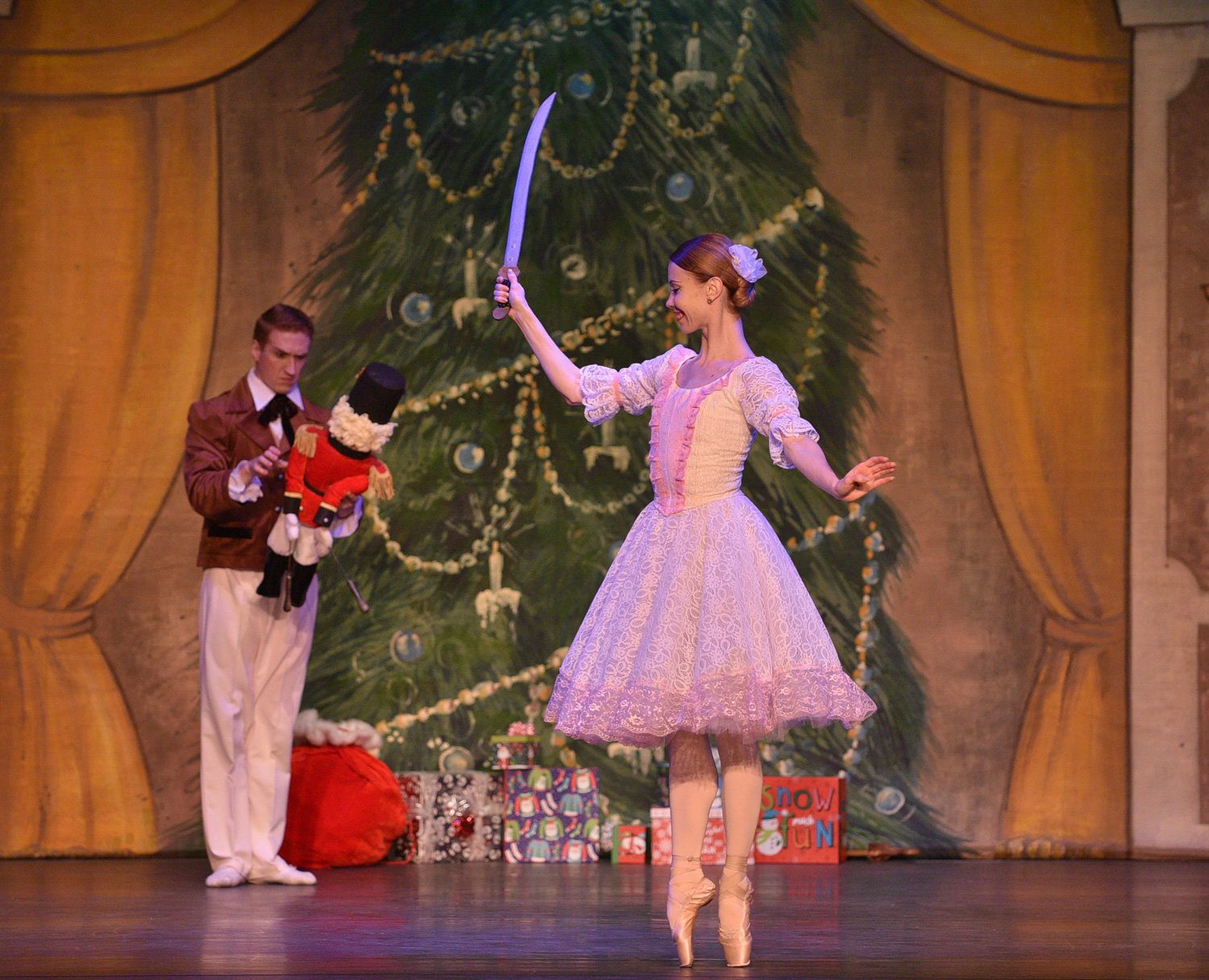
The Lehman Center also became a place where Bronx residents could experience great classical art. For example, it hosted a performance of “The Nutcracker” by the Westchester Ballet. For many, this is their only chance to see “The Nutcracker” because tickets for shows at the ABT are far too expensive.
Ms. Bornstein also plans to add a café and a separate community space in the lobby, since most events at the Lehman Center happen on weekends. A café would make the space more open and lively throughout the week.
Eva Bornstein jokes that she dreams of the Lehman Center having a budget comparable to the Lincoln Center—which would allow her to invite global stars and expand the program. Everyone knows that this goal is unlikely to be reached, but who knows…