For over forty years, the Hostos Center has become a symbol of the Bronx’s revitalization and proof that true art is born where there is a need for community. It is known far beyond the borough’s borders, supporting artists and discovering new talents while offering audiences an alternative to major commercial stages. Every year, it hosts a multitude of events—from concerts and premieres to intimate performances and family celebrations—that reflect New York’s cultural diversity. Read on bronx-trend.com for more details.
A Cultural Beacon of the South Bronx
Imagine the Bronx in the early 1980s. The borough, which had long been associated with social problems and economic challenges, was simultaneously a place where life was booming—new music styles were being born, street culture was forming, and talents were emerging. During this time, an idea arose at Hostos Community College (part of the CUNY system) to create a center that would become a meeting place for art and the community. This is how the Hostos Center for the Arts & Culture was founded in 1982.
Its goal from the outset was clear: to make art accessible to those who rarely had the opportunity to travel to Manhattan and the large theaters. It was a challenge and, at the same time, a gesture of confidence toward the community of the South Bronx—an area that had always been celebrated for its rich cultural traditions.
To realize this idea, more than just a stage was needed; a true cultural complex was required. The architectural firm Gwathmey Siegel & Associates designed the building, which was recognized in 1988 with an award from the New York City Art Commission for design excellence.
The complex houses several unique spaces:
- A main theater with nearly 900 seats, which hosts large-scale productions and concerts.
- A Repertory Theater with 367 seats—a more intimate but equally important venue for theater troupes and musicians.
- The Black Box Theater—a flexible space that allows for experimentation with forms and genres, creating a special atmosphere of closeness between the audience and the performer.
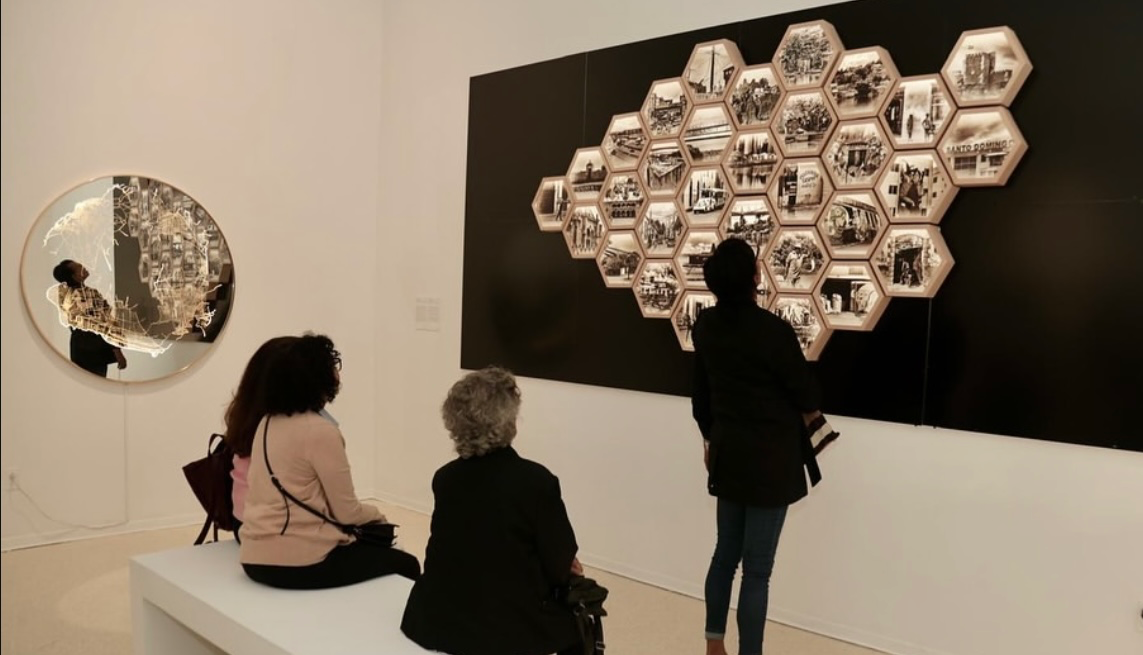
- An Art Gallery of museum quality, showcasing works by both contemporary artists and visual arts classics.
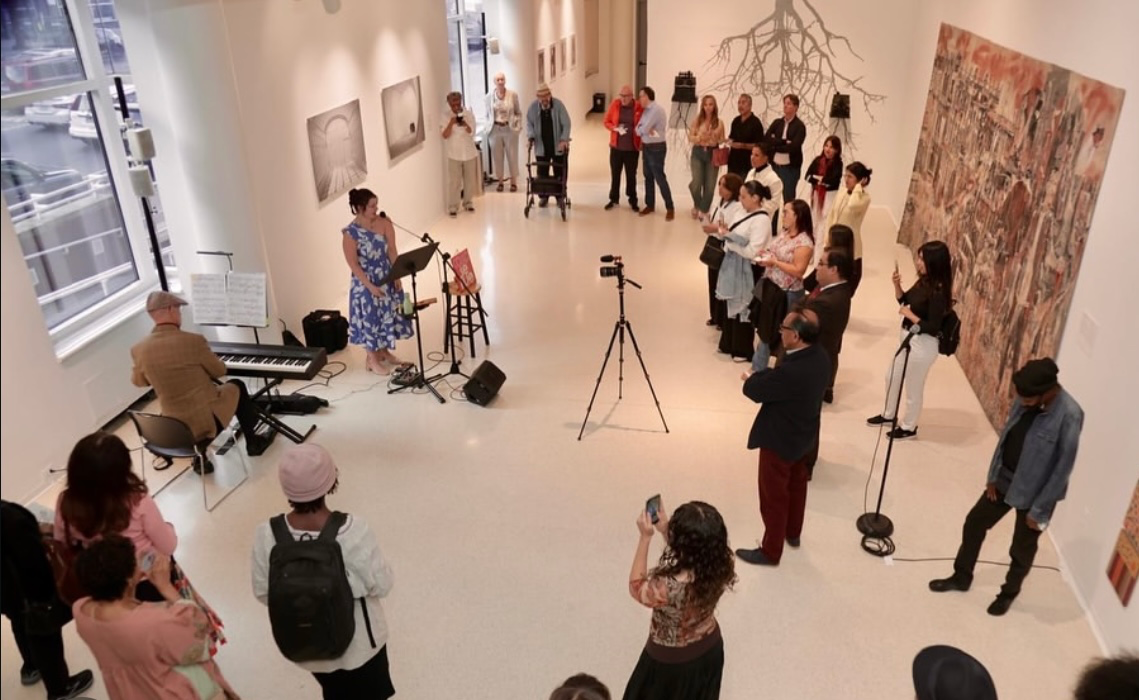
From day one, the Center defined its mission: to be a cultural force that reflects and nurtures the multicultural heritage of the Bronx. Here, special attention is paid to art born in the Latino, African, and Caribbean communities. It’s no wonder The New York Times called it a “powerful center for Latino arts.”
Hostos Center is a place where students, faculty, Bronx residents, and all New Yorkers can feel that culture is close at hand. Tickets for events here are significantly more affordable than in Manhattan. Thanks to this accessibility, art does not become a luxury but remains a living part of everyday life.
The Hostos Program: Music, Theater, and the Cultural Mosaic of the Bronx
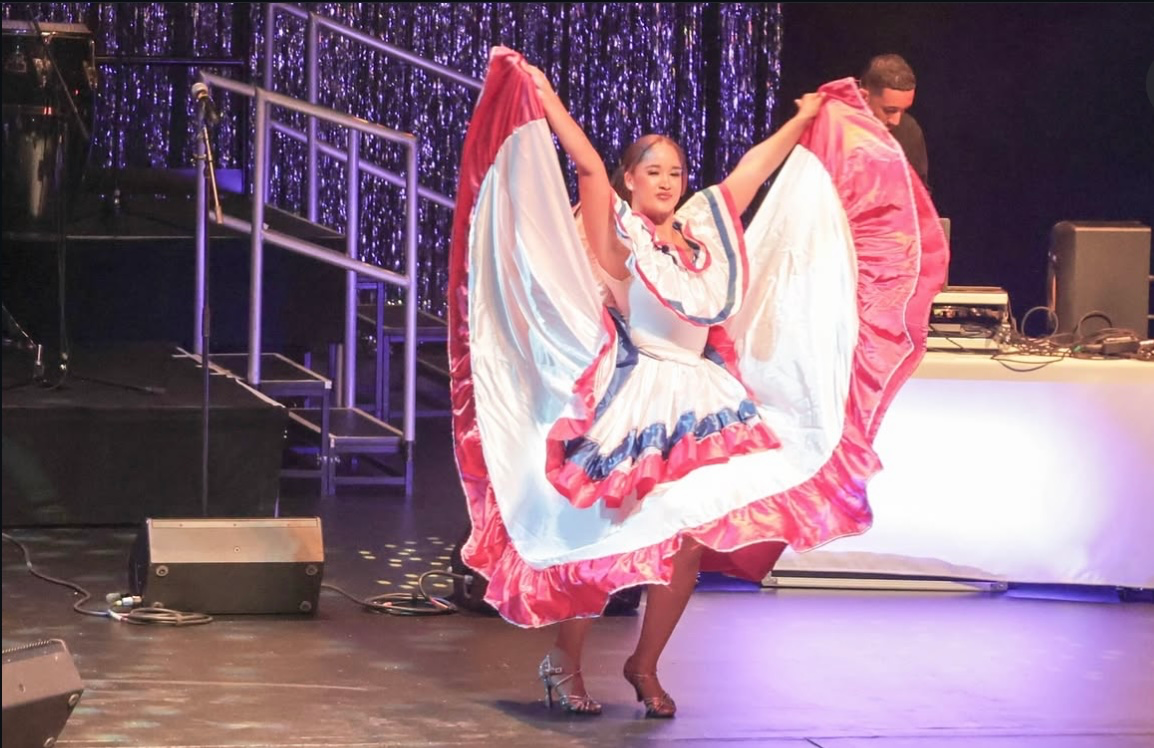
The Center’s programming is quite diverse. It’s a journey into cultural worlds—from the fiery rhythms of salsa and jazz to profound theatrical productions, and from street hip-hop to intimate classical music. Educational programs play a special role, helping young talents showcase their work and create new art.
Programming is divided into several areas:
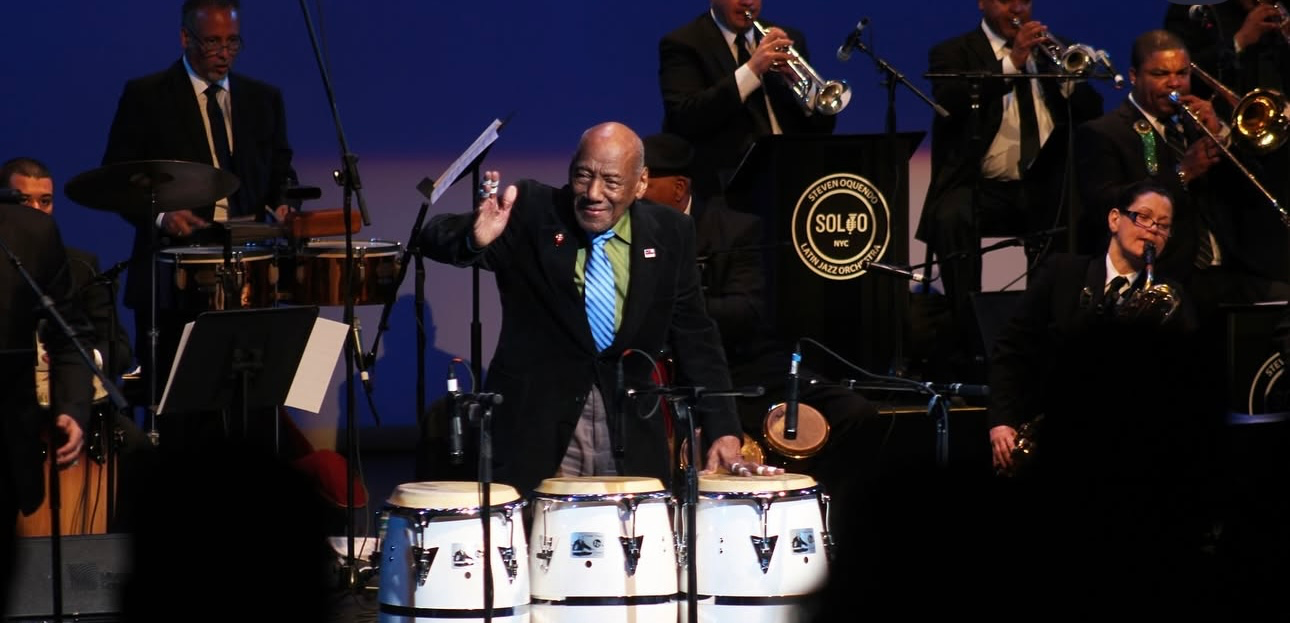
- Performing Arts—concerts of jazz, Latin music, and salsa, theatrical productions, modern dance, film, and hip-hop shows.
- Visual Arts—exhibitions in the museum-quality gallery featuring the works of both innovators and world-renowned masters.
- Festivals—true celebrations of cultural heritage. A special place among them is held by BomPlenazo—a prestigious festival of Afro-Puerto Rican Bomba and Plena traditions, which draws artists and audiences from around the world.
- Educational and Children’s Programs—performances and concerts for the youngest audiences, workshops, programs for schools, and residencies for young artists.
- The Hostos Repertory Company—the Center’s own creative collective, which presents new productions twice a year.
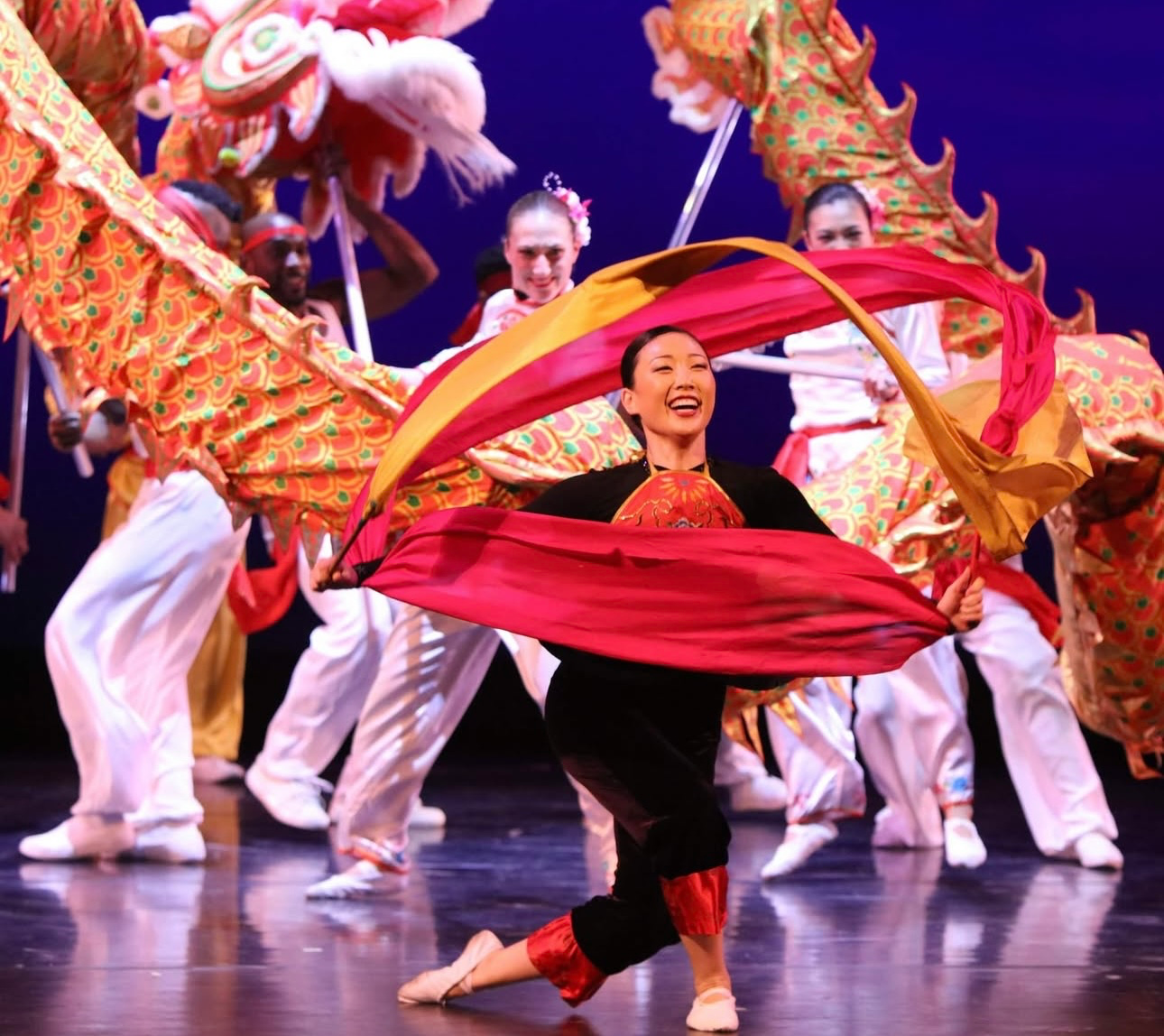
Annually, Hostos Center becomes a venue for events honoring important dates and cultural traditions: Puerto Rican Heritage Month, Black History Month, Dominican Heritage Month, Women’s History Month, Kwanzaa, and other events celebrating the diversity of communities that shape the Bronx and New York.
Throughout its history, Hostos Center has been a stage for many legends of world culture. Performers here have included Rubén Blades, Dizzy Gillespie, Eddie Palmieri, Celia Cruz, Marc Anthony, Tito Puente, and Lucecita Benítez, as well as troupes like the Alvin Ailey American Dance Theater, Dance Theatre of Harlem, Ballet de San Juan, and Ballet Hispánico. Exhibitions in the gallery have featured works by Antonio Martorell and Faith Ringgold.
Hostos Center is a platform for the dialogue of cultures. Here, audiences can encounter art that is simultaneously familiar and novel, expected and surprising. The Center has become the place where the Bronx speaks the language of music, theater, dance, and visual art, preserving the past and opening the future.
Pandemic and Recovery
The COVID-19 pandemic left a deep mark on society, and the cultural sector was among the hardest hit. Theaters emptied, concert venues fell silent, and hundreds of artists were left without a stage to share their talent. And just when many creative institutions faced questions of survival, the federal government’s Shuttered Venue Operators Grant (SVOG) program was launched to support the performing arts sector.
Hostos Center for the Arts & Culture was one of the recipients of this much-needed support. In October 2021, the Center was awarded a grant of $326,615. These funds helped compensate for losses from the closing of theaters and the halt of concert activities.
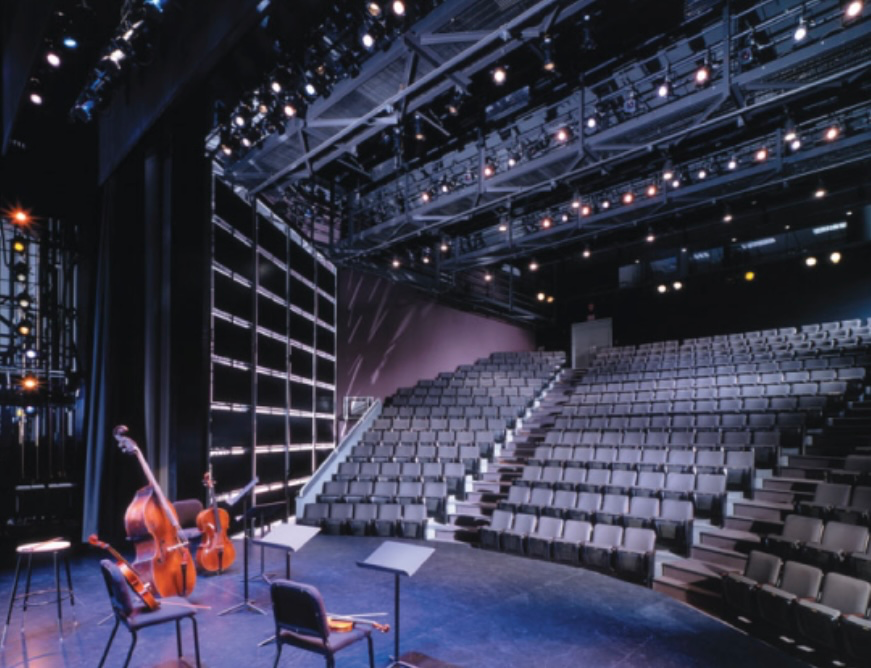
The Hostos Center quickly adapted to the new challenges. Programs that couldn’t be held live moved to the virtual space—on YouTube and Facebook Livestream. The result was unexpected even for the organizers. Virtual events attracted the attention of not only Bronx residents but also viewers from around the world. However, as the Center acknowledges, nothing can fully replace the atmosphere of a live performance when actors, musicians, or dancers stand on stage before a real audience. But the dark times have passed. With government support, the important cultural hub in the Bronx was preserved and, after the crisis, began to shine with new, vibrant colors.
Stable Support and New Opportunities
The Hostos Center for the Arts & Culture is not just a theatrical venue or a gallery. Its mission is to give a voice to the cultural diversity of the borough and support artists. That’s why funding from state and city programs is crucial for the Center. For many years, the Hostos Center has received support from various sources. The main ones include annual grants from the City Council’s Coalition of Theaters of Color (CTC). There is also significant support from state and city cultural institutions, including the National Endowment for the Arts, the New York State Council on the Arts, the Howard Gilman Foundation, and numerous offices of legislators and city council members.
In the 2024 fiscal year, the Hostos Center received significant support from the CTC for the third consecutive time—$130,000. These funds, secured by City Council Member Rafael Salamanca Jr., are channeled through the New York City Department of Cultural Affairs. These annual grants help the Hostos Center cover expenses for artist fees, production staff, equipment, marketing, and educational programs for all age groups.
“I am proud to be able to deliver this well-deserved funding again,” Salamanca noted. “Hostos is a critical cultural institution that constantly elevates the voices of our community. I am happy to support their work because it makes higher education more accessible in my district and brings high-level cultural events to the South Bronx.”
Center Director Félix Arocho emphasized that the grants allow Hostos Center to remain a resource not just for college students and faculty but also for residents of surrounding neighborhoods:
“Our theater productions and cultural events are organized by the communities we serve. They reflect the identity of the South Bronx while opening doors to the multicultural world of art.”
Thanks to the sustained support of city and state institutions, the Hostos Center can continue its mission and remain a nucleus of art and culture that connects generations and communities, preserves heritage, and inspires the creation of the new.