The BAAD! Academy transforms the stage into a battleground against sexism, racism, and homophobia, supporting immigrants, women, and queer people. It plays a vital role in the cultural and social life of the Bronx, giving marginalized communities a chance to create art that often has no place in mainstream institutions. Read on bronx-trend.com for more about this socially critical cultural space.
From the Basement to the Festivals
In the late 1990s, two friends from the Bronx, dancer and choreographer Arthur Aviles and writer and activist Charles Rice-González, decided to create a space where art could resonate with the voices of those who are often unheard. This led to the birth of the Bronx Academy of Arts and Dance (BAAD!), which became the home for Aviles’s theater company and a platform for women, LGBTQ+ creators, Latino, and artists of color.
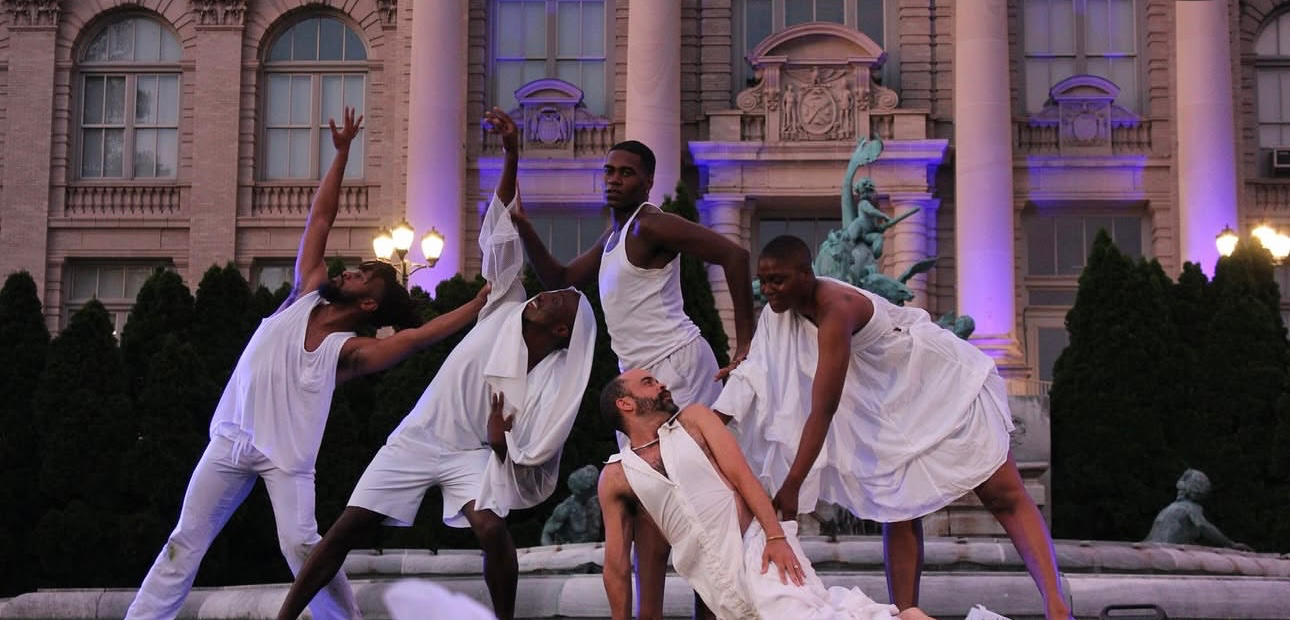
The first steps were humble. BAAD! emerged in a local community center, where choreography was born in the basement among folders with future show plans and calendars. But soon, an opportunity arose that changed everything. The owners of the huge historic American Bank Note Company printing plant in Hunts Point decided to offer up some of their empty space for art studios. Aviles requested a space for his theater, and the agreement grew into a long-term lease.
On December 11, 1998, BAAD! opened its first season in the former printing shop on Barretto Street. Thanks to friends and community support, they installed wood floors, lights, and sound—and the dance floor came alive. Eventually, dozens of other artist studios were set up in the building, making this derelict industrial space the cultural heart of the South Bronx.
BAAD! immediately made a statement with festivals and programs that broke boundaries—from “Out Like That!” (the only LGBTQ+ arts festival in the Bronx) to “BAAD! Ass Women” and “Los Nutcrackers,” which transformed the classic Nutcracker into a Puerto Rican queer version. The Academy quickly became not just a stage but a community—a place where new names were born, and where dance and words merged into one.
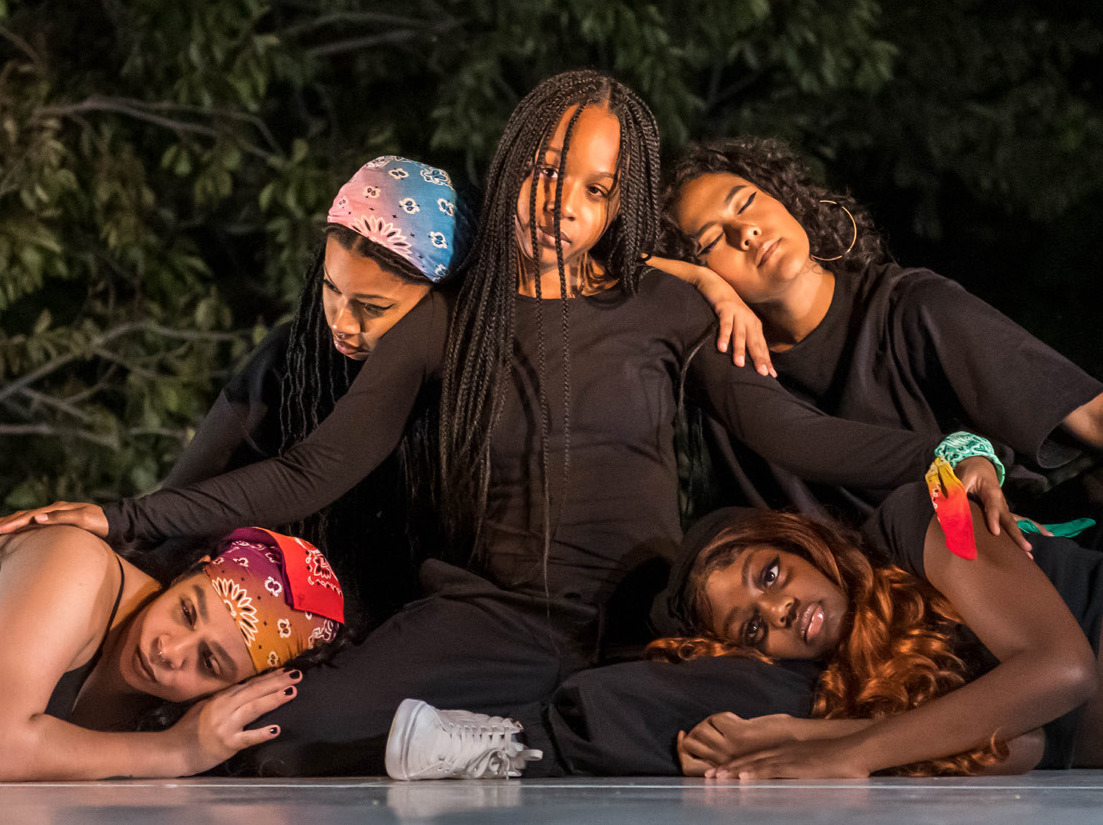
Although shifts in the real estate market eventually forced most artists out of the former printing plant, the period at the American Bank Note Company remains legendary. It was there that BAAD! transformed from a small initiative into an influential arts center that continues to define the face of the contemporary Bronx.
New Life in a Gothic Chapel
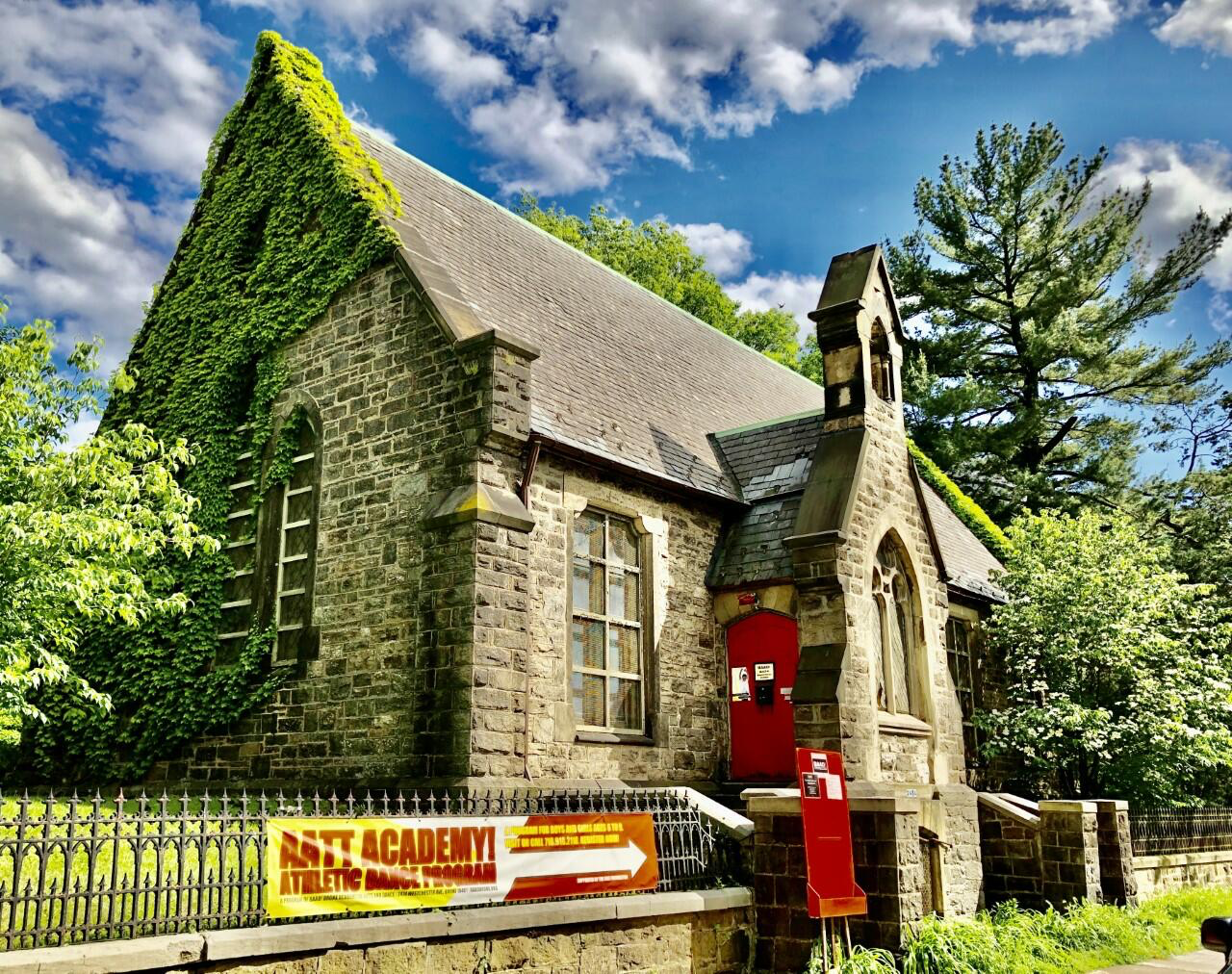
Rising rent prices forced the Academy to leave the familiar spaces of Hunts Point in 2013 and venture elsewhere. Their new home became a small but majestic Gothic Revival-style chapel, located on the grounds of St. Peter’s Episcopal Church on Westchester Square.
This building, recognized as a New York City landmark in 1976 and listed on the National Register of Historic Places in 1998, gained a new voice. Instead of prayers, the voices of artists resonated, and bright artistic projects shone under its arches.
Despite the move, the Academy did not sever its ties with the South Bronx. Arthur Aviles still lives there, and BAAD! continues to work with its former neighborhood through the TransVisionaries series (monthly free performances in local cafes and restaurants).
Success and new challenges demanded changes within the organization itself. Arthur and Charles, talented artists and activists but not professional managers, realized that without a new approach, BAAD! could lose its opportunities. So, in 2015, they hired their first Deputy Director, and later, in 2019, brought on a development specialist and a program manager. Investing in the team quickly brought results—the organization’s budget began to grow, nearly doubling in 2016 and tripling by 2020.
To learn how to manage this growth effectively, BAAD! joined the Nonprofit Finance Fund (NFF) program.
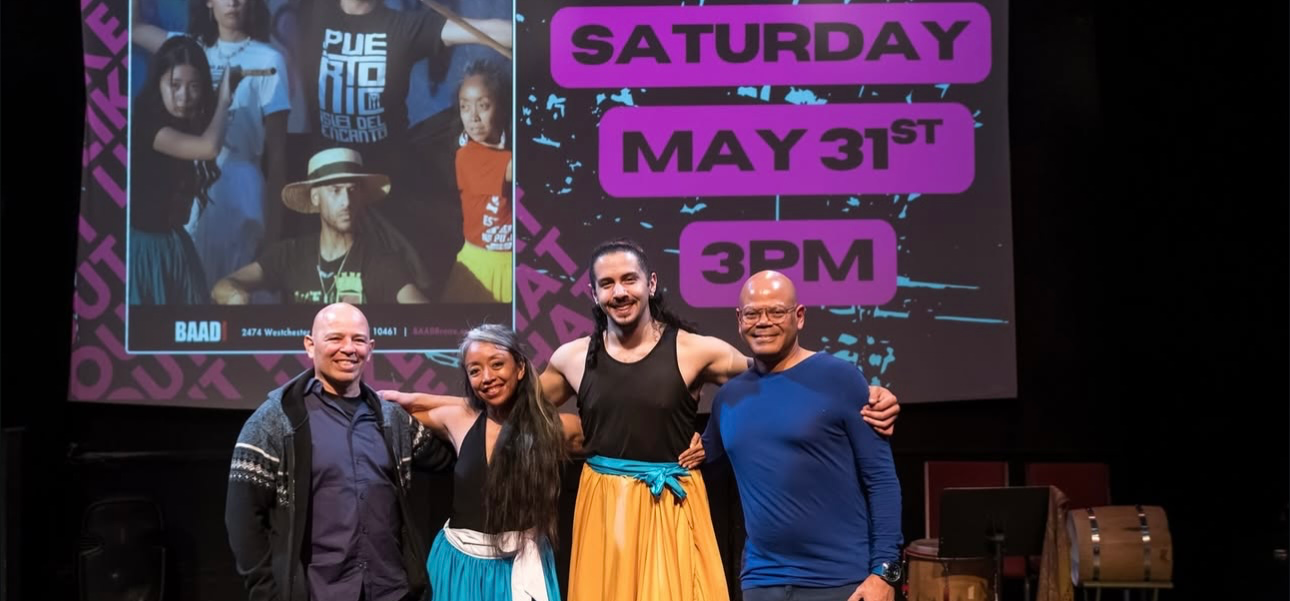
Equally important was the recognition of their own worth. For many years, Aviles and Rice-González worked with almost no compensation, but the NFF coaches convinced them: creative work must be valued the same way as any professional leadership. This became a vital step toward stability and self-respect.
In 2017, BAAD! received another major recognition—a $60,000 grant from the Lincoln Center Cultural Innovation Fund and the Rockefeller Foundation. These funds were directed toward developing the TransVisionaries series to make art accessible and visible beyond theater halls.
A Sanctuary of Art and Freedom in the Bronx
New York City has long been considered the world’s art capital and one of the most open cities for LGBTQ+ people. However, the Bronx, unlike Manhattan or Brooklyn, long remained distant from this cultural wave. It lacked the endless galleries and bars where people could express themselves freely. In 2006, a New York Times journalist even noted that “the borough’s gay-friendly bars could be counted on one hand.” In such an atmosphere, the arrival of BAAD! was a true breakthrough—a safe and free space open to those whom society often ignored.
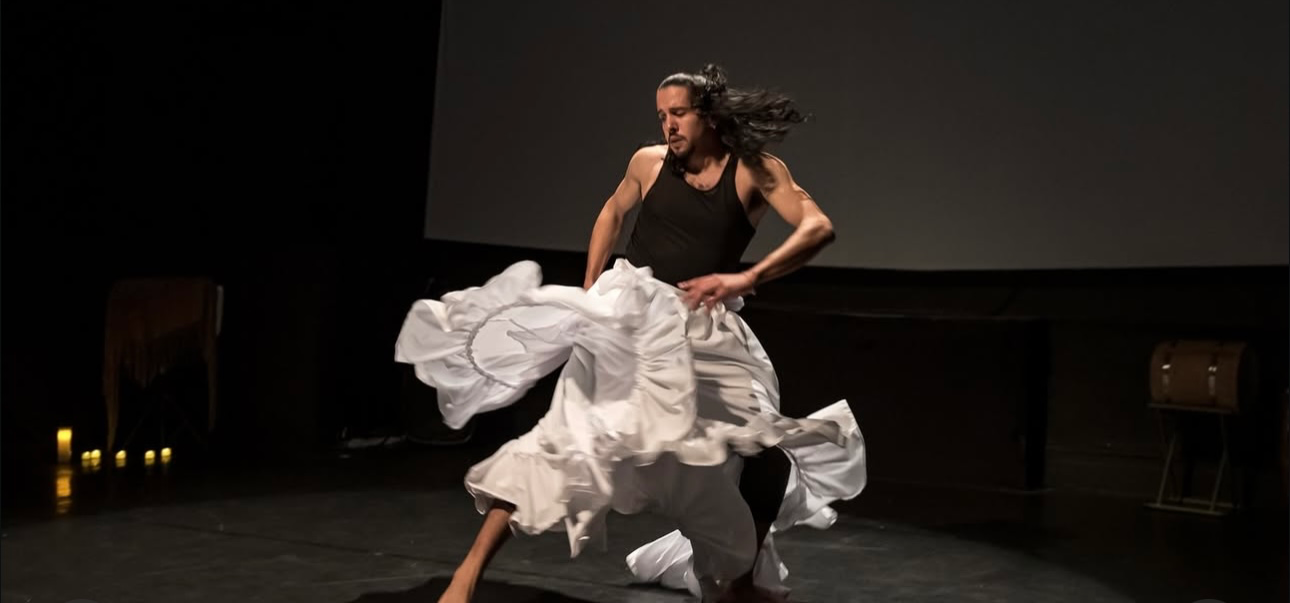
From its first years, BAAD! transformed into a kind of sanctuary of art, where women, people of color, and representatives of the LGBTQ+ community took the stage. For many artists, this was not just a chance to show their talent but an opportunity to be heard for the first time in their lives.
Arthur Aviles himself, a dancer of Puerto Rican descent, infused his performances with his own history—the experience of being a gay man living in the Bronx, with its difficulties, pain, and yet, pride. Critics wrote that even when he wasn’t proclaiming loud political slogans, the very fact that his dance existed on stage was a political gesture, a challenge to prejudice.
BAAD!’s mission is clear and uncompromising: to create, produce, and support contemporary art that empowers those who rarely see themselves in the spotlight. This includes not only dance but also theater, literature, performance, and visual art—any form that allows an idea to resonate.
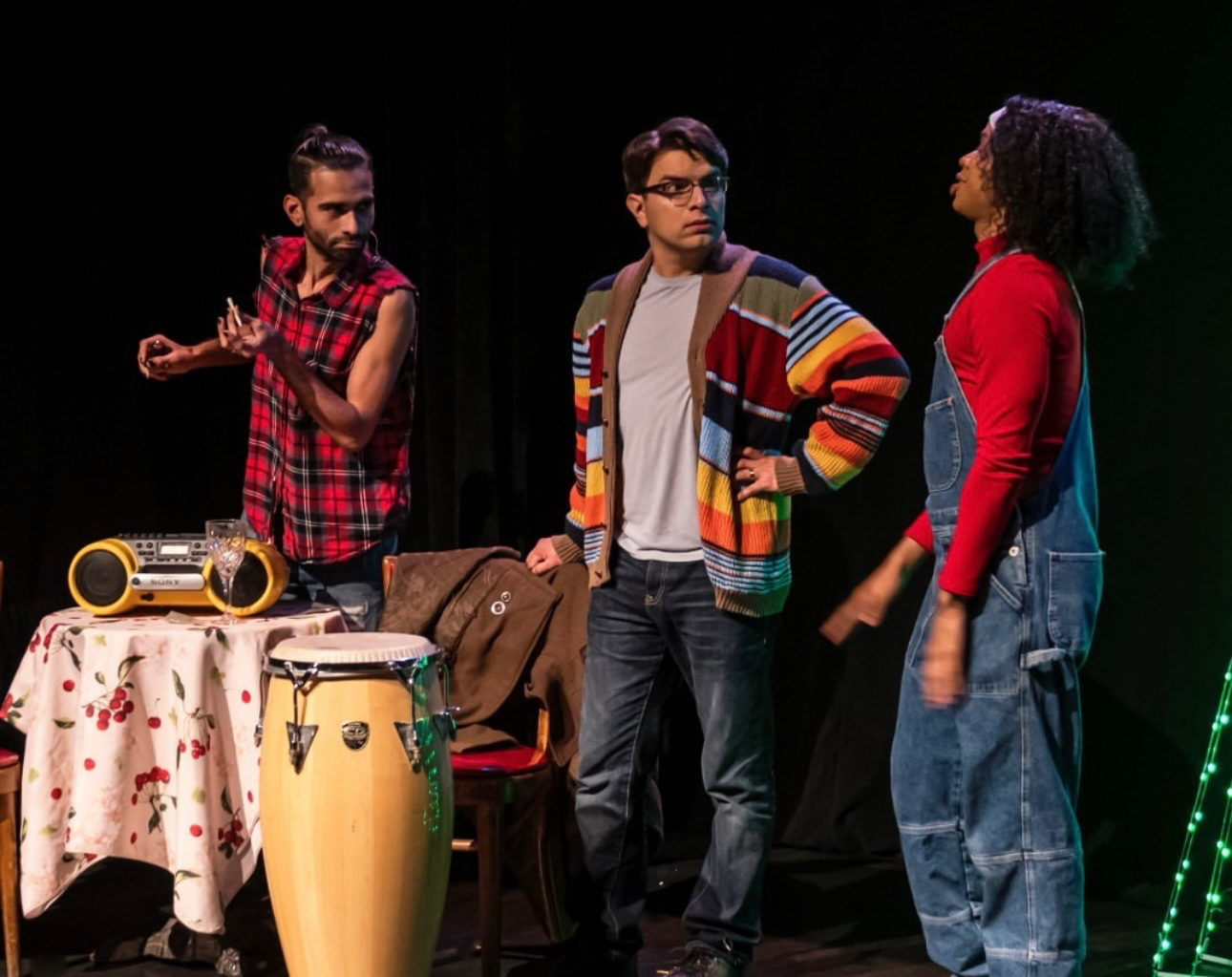
BAAD!’s values were shaped by the community’s experience:
- Diversity is not a burden but a source of strength.
- Art must be accessible to everyone, regardless of income or social status.
- Everyone should be able to not only contemplate art but also participate in its creation.
- A space for art is also a space for freedom, self-expression, and dignity.
“Some people ask, ‘How can you even exist in a neighborhood like that?'” Charles Rice-Gonzálezrecalls. “But I always said: being a queer person of color in the Bronx is not our weakness, it is our strength. It is thanks to the activists and gay volunteers that we created this space where difference becomes our advantage.”
Every year, around 4,000 participants from all corners of New York, especially the Bronx, attend five vibrant festivals:
- BlakTinX, which combines African-American and Latino art.
- Get Tough! Get BAAD!, dedicated to LGBTQ+ cinema with positive stories.
- BAAD! Ass Women, showcasing works by women.
- The dance festival Boogie Down, which discovers new forms of Bronx choreography.
- OUT LIKE THAT, the only LGBTQ+ performing arts festival in the borough.
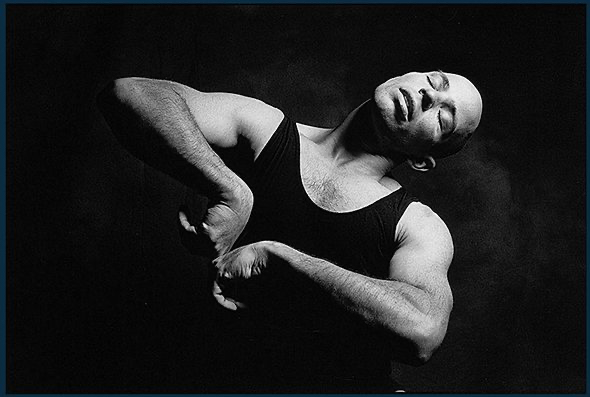
BAAD! is also home to the Arthur Aviles Typical Theatre, and the Bronx Dance Coalition, founded in 2002, supports professional dance companies in the borough and publishes Bronx Dance Magazine, documenting and popularizing local dance traditions. This small theater has become a major platform for bold art and cultural activism, where art not only entertains but also inspires and changes lives.
BAAD!’s Anniversary: 25 Years of Bold Art
In February 2024, the Bronx Academy of Arts and Dance celebrated its 25th anniversary with a grand series of events titled “Get Tough, Get BAAD!” The celebration lasted nearly two weeks, including films, dance performances, and discussions that celebrated the strength, diversity, and defiance of the queer community.
The program began with a forum called “Bold Talk: Strategies for Living and Loving in America,” featuring John Keene and Robert Jones Jr., followed by audiences viewing classic and contemporary queer films, from poignant love stories to hilarious romantic comedies. In the evenings, local choreographers brought the scenes to life with dance inspired by beloved films.
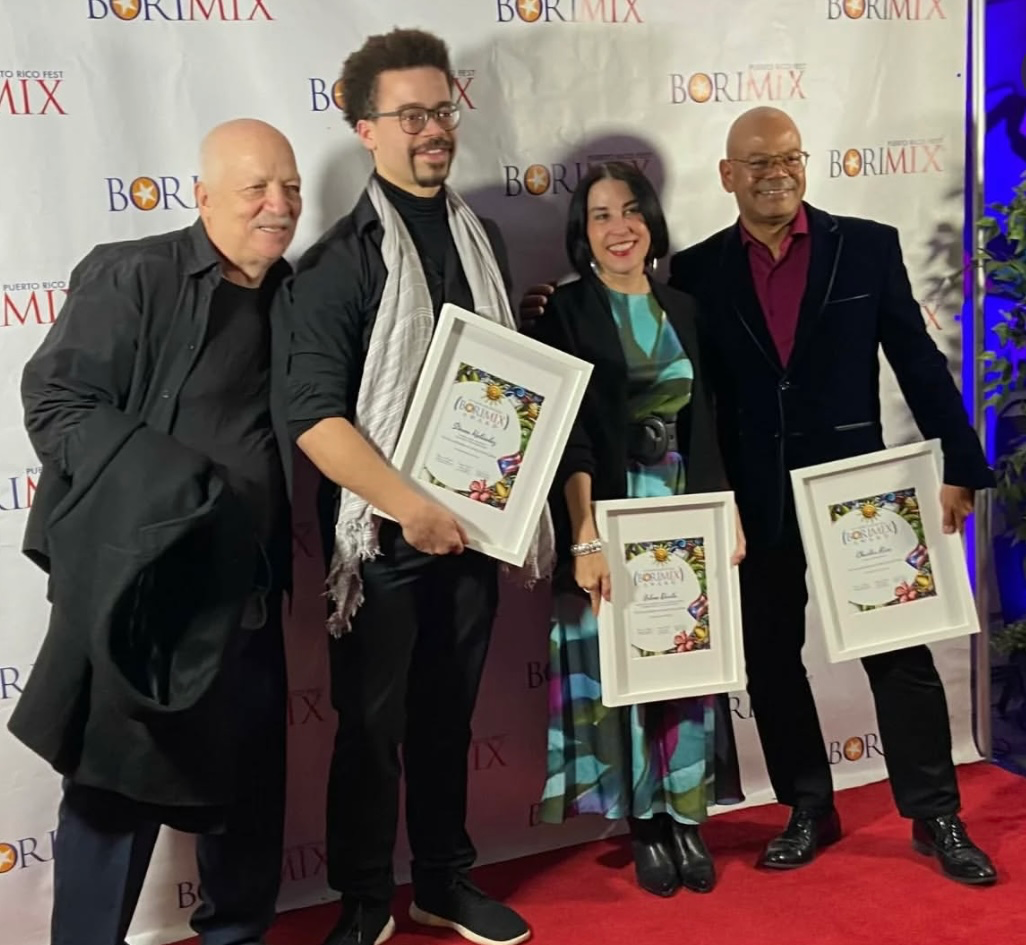
This anniversary series demonstrated how BAAD! continues to combine art and activism, creating a space for women, people of color, and LGBTQ+ communities where they can develop their talent, share their stories, and feel like part of a creative and supportive community.