


In 2005, Allen Hughes directed an intriguing film titled The Knights of the South Bronx. If you’re imagining the Middle Ages, jousting, or thrilling battles on a field, this film is not about that. It’s about modern-day Bronx, about children, and… about chess. The idea for the film came to the director after he met a very special teacher. In this article on bronx-trend, we’ll tell you about the making of the film, the real-life teacher who inspired the main character, and how audiences reacted.
The Plot
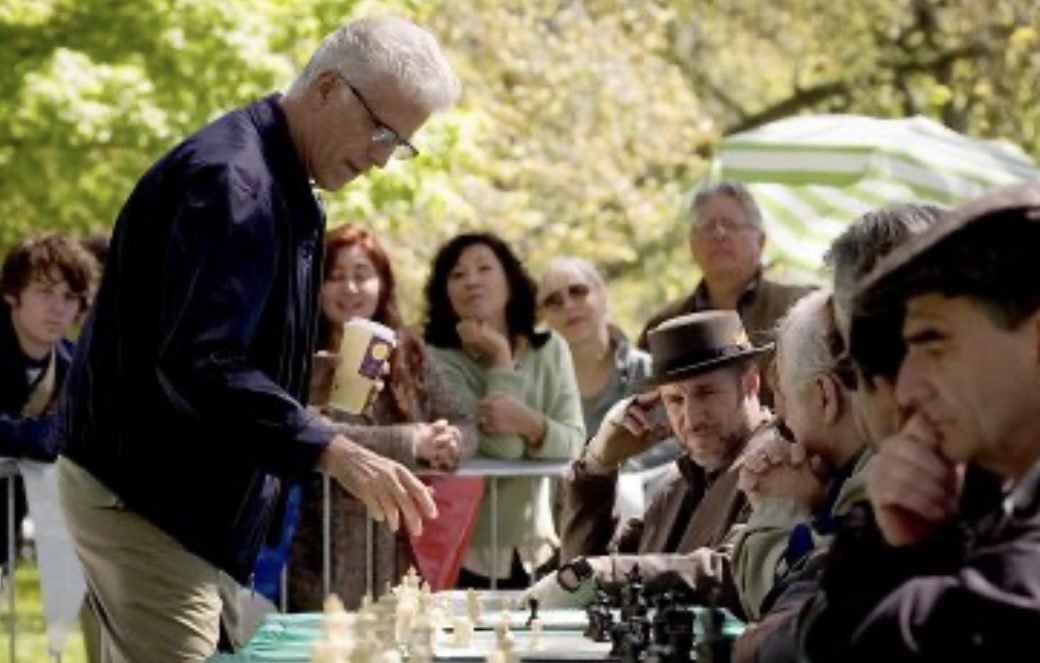
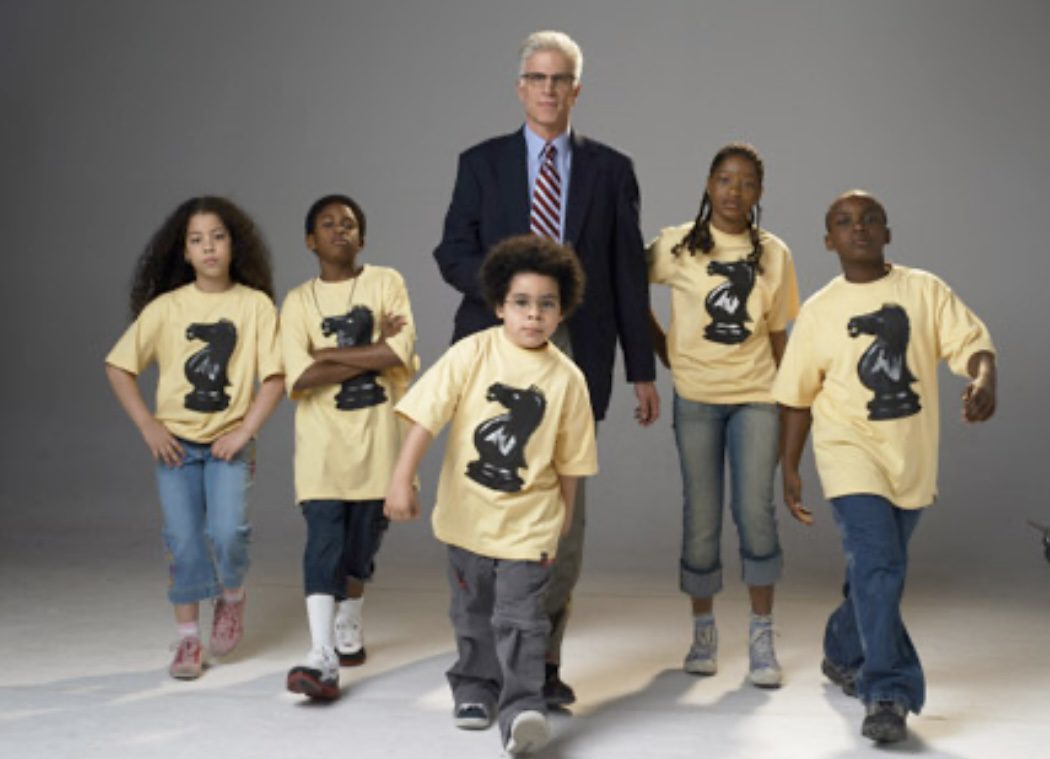
The film begins when Richard Mason, played by Ted Danson, arrives at a South Bronx school as a substitute elementary school teacher. A certain conflict immediately becomes apparent, stemming from the racial and socioeconomic differences between the students and the teacher. Mason is a white intellectual who has no intention of getting involved in these children’s lives or connecting with them. His goal is simply to teach the required lessons and work the hours set by the school administration. He has nothing in common with these kids; the vast majority of them are poor Black and Puerto Rican children from underprivileged families living below the poverty line.
The new teacher is consumed by his own problems. He has just lost a prestigious job, is completely unaccustomed to this environment and lifestyle, and has a complicated relationship with his own son.
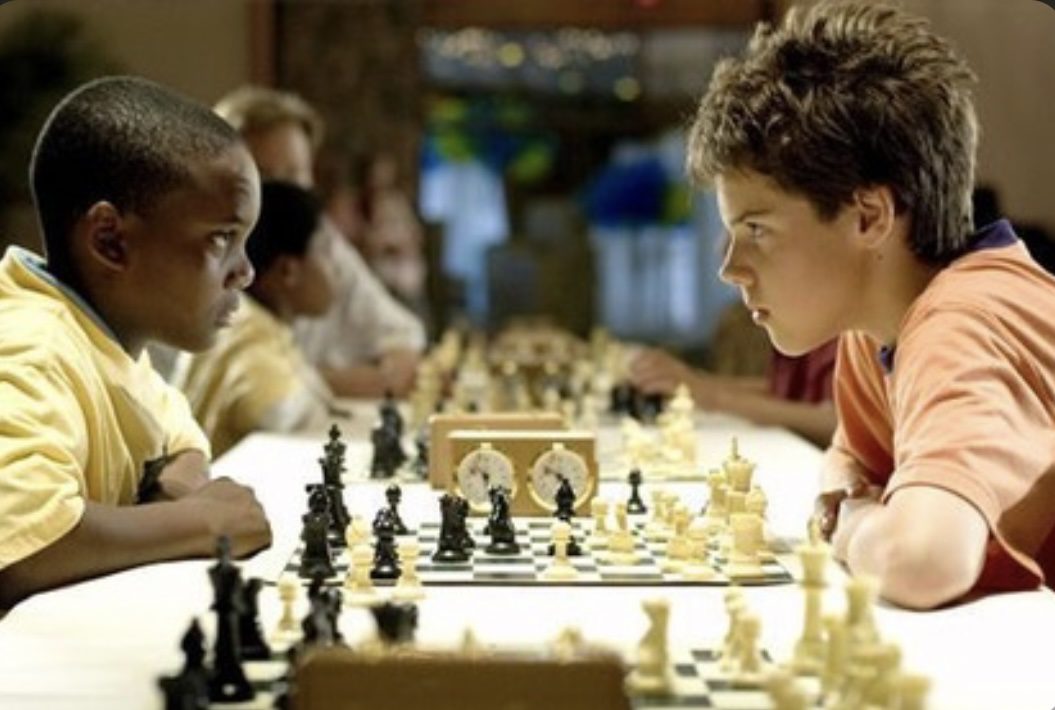
The students were also hostile toward Mason because they knew that “the rich can’t understand the poor.” What could this clean-cut white professor teach them when he couldn’t even imagine what it was like to survive in a world full of criminals, discrimination, drugs, and utter injustice?
Richard is initially unpleasantly surprised that these fourth-graders can’t even read or write properly. He attributes it to laziness and a lack of desire to learn. The tension in the classroom grows. But one day, the new teacher brings chess to school. This becomes a turning point in the standoff between the children and Mason. The students are completely mesmerized by this new game, and Richard is pleasantly surprised that his hobby sparked such an interest. Inspired, he begins to introduce the children to the exciting world of chess.
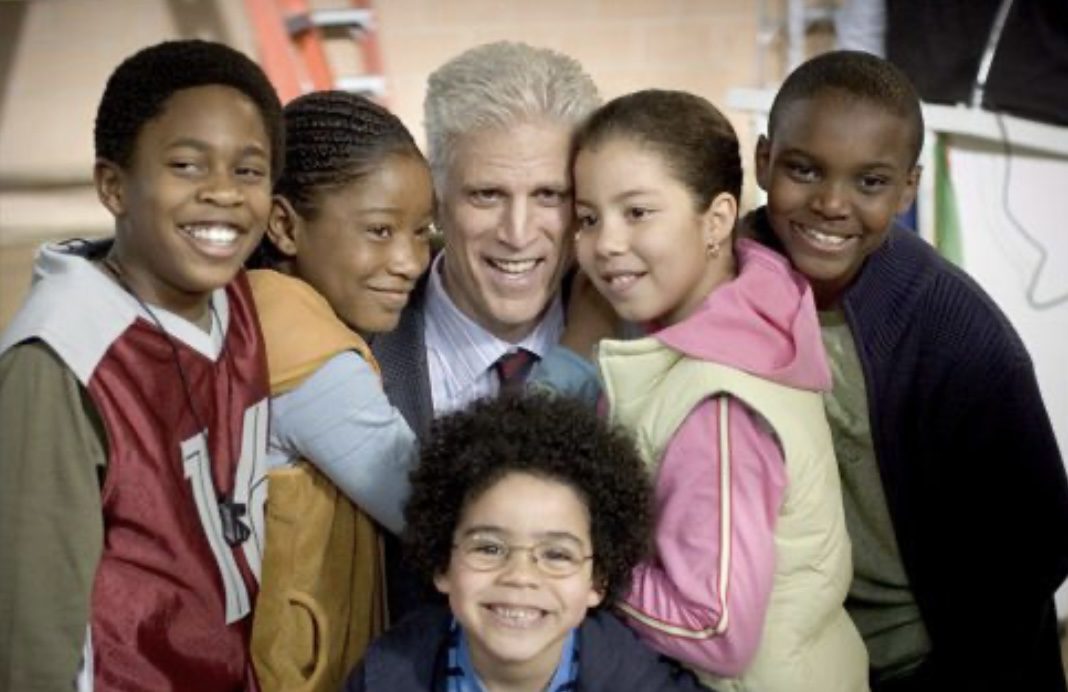
The teacher explains the pieces, standard combinations, legendary games, and famous chess players. Through chess, Mason uncovers the hidden potential in the children, sparks a thirst for knowledge, and teaches them to view learning and life through the lens of a chess match. By the end of the film, there is no doubt that these children have a bright future ahead and can break free from poverty by applying the lessons learned from Mr. Mason.
Read about the life of a prominent Bronx film director, John Berry, in this article.
The Real-Life Teacher
The story of the chess teacher isn’t fiction—it’s a real-life event. A teacher just like him actually existed at a school in the Bronx. His name is David MacEnulty. And he really did teach children how to play chess between their regular classes.
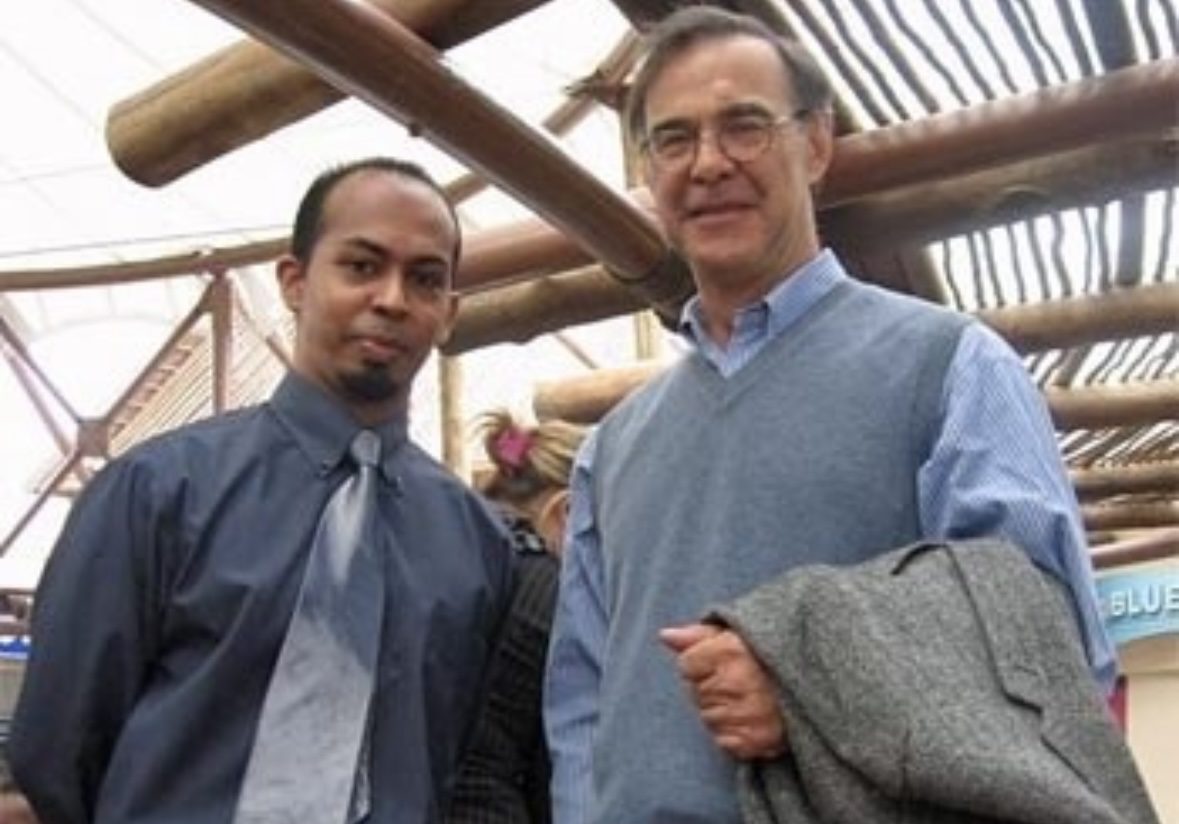
David believes that chess is more than just a game. It’s a full spectrum of mental skills that are very useful for children and will help them face the challenges of adulthood with dignity. Chess teaches them how to compete, lose, and enjoy victory, to react quickly to changes and make firm decisions, and to analyze and predict.
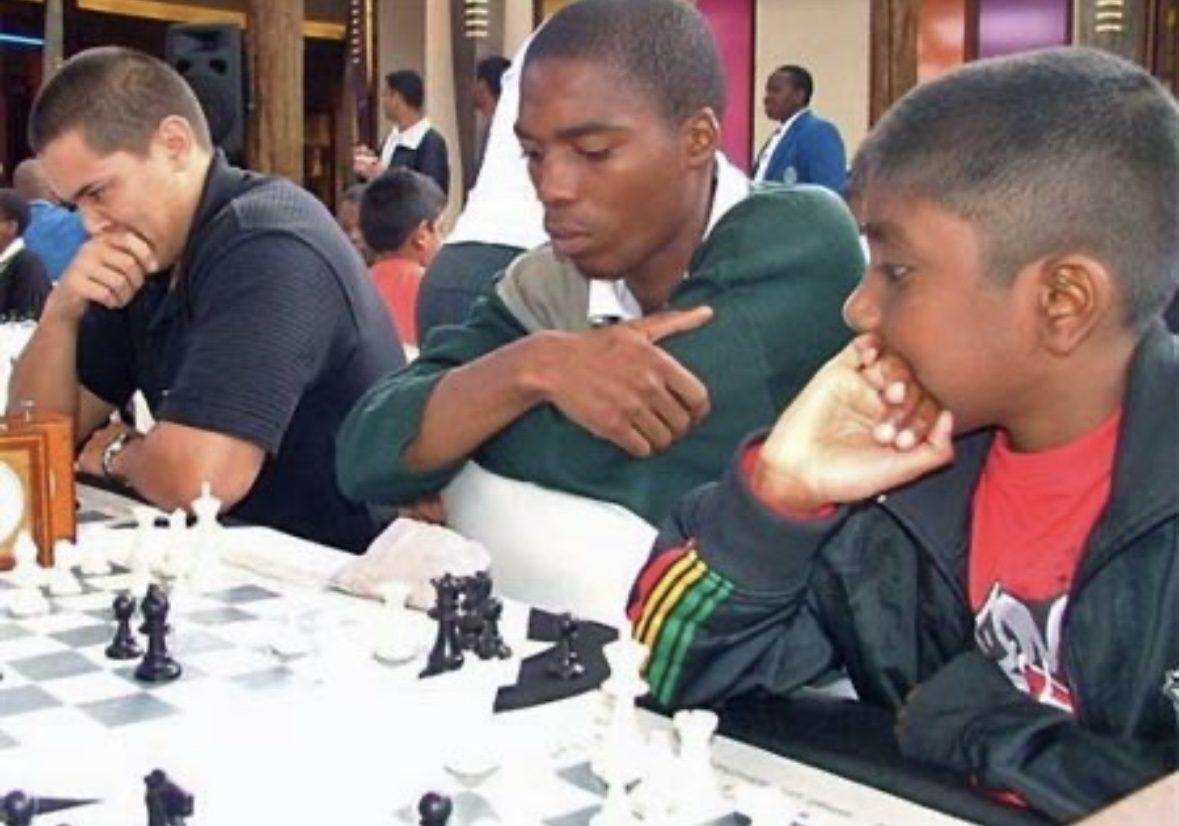
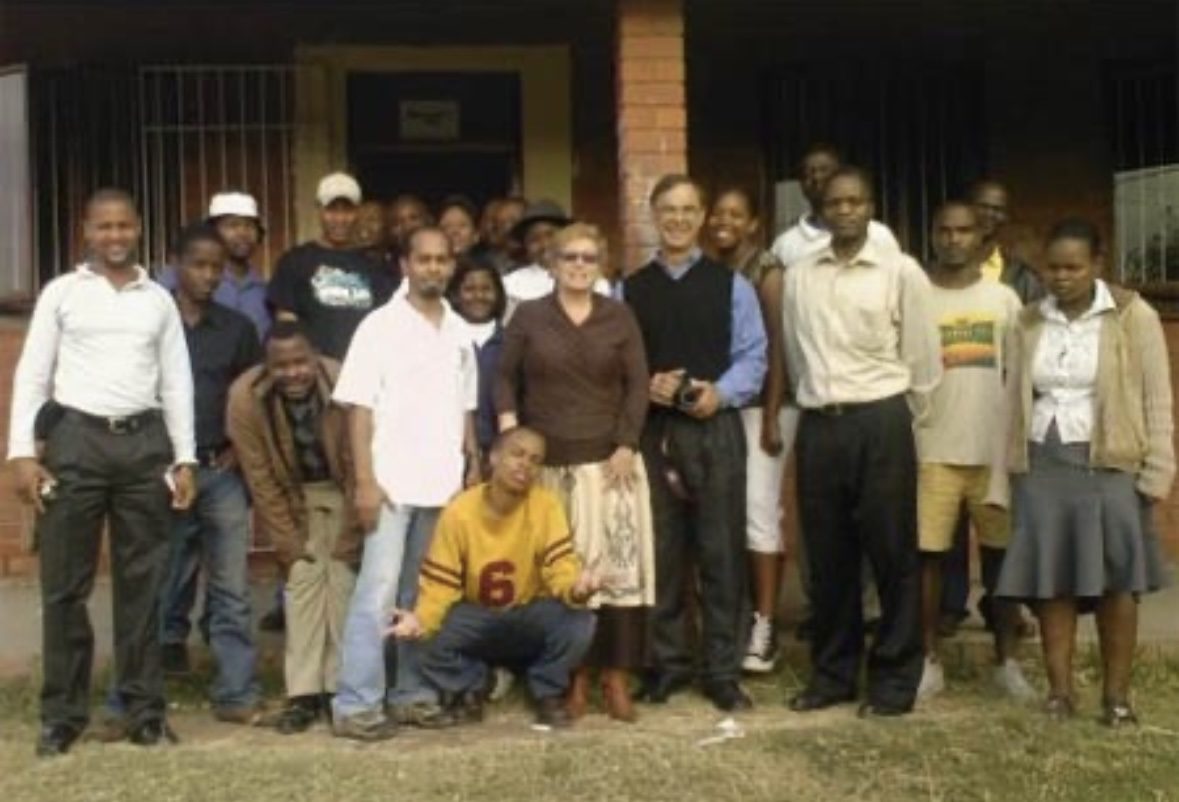
After the film’s release, David MacEnulty, inspired by the attention his method and philanthropic mission received, traveled to South Africa. He went to the city of Durban as part of the “Chess for Change” program, initiated by former Durban resident David Bergman, founder of the New York-based Durban Capital fund. After learning about his namesake who helped change the lives of many children from the impoverished South Bronx, Bergman wanted to do something similar for his own countrymen and helped arrange David MacEnulty’s trip to Durban in August 2007.
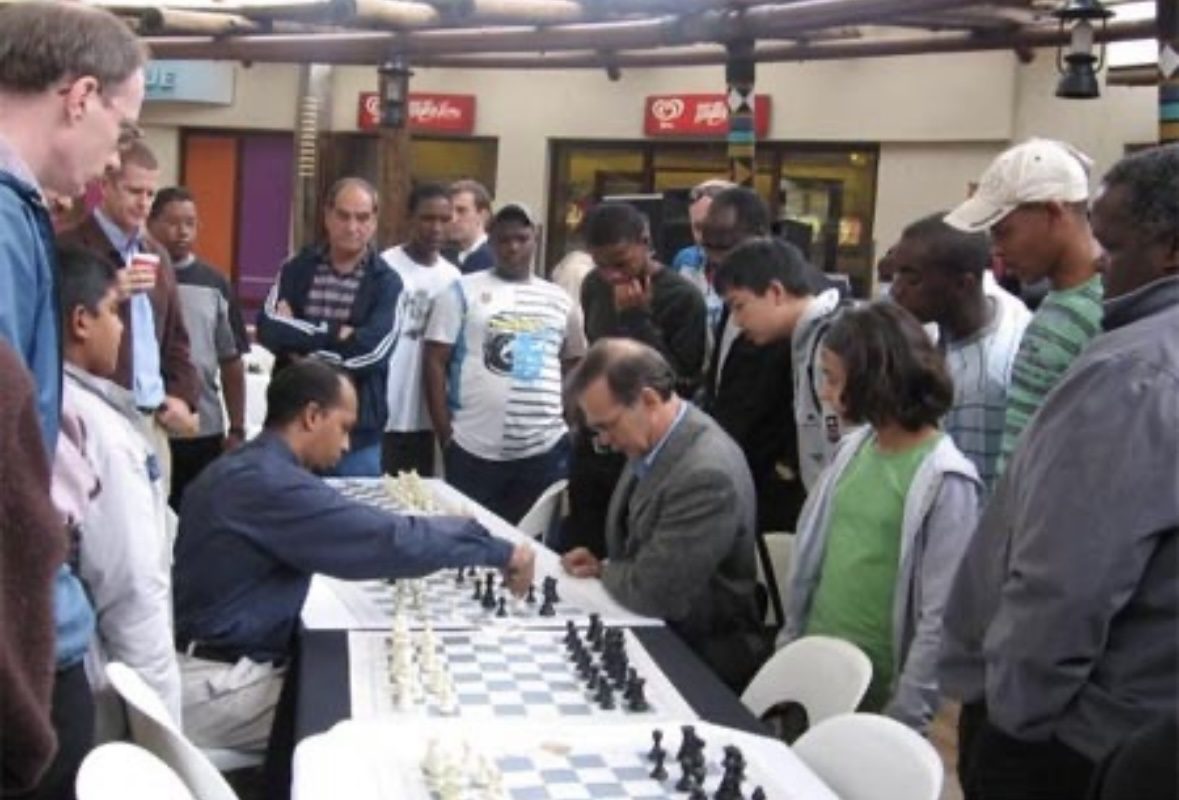
During his stay in Africa, MacEnulty visited the newly established Durban Metro Chess Academy and held a series of meetings with parents, school principals, teachers, and students.
The Academy’s motto is: Push Pawns! Not drugs! Following the American teacher’s visit, a program was developed to promote chess in Durban and its surrounding disadvantaged areas.
Audience and Critic Reception
The film has pretty high ratings overall, above 7/10. On various movie sites, most of the reviews from viewers are positive. Almost everyone notes the powerful, insightful dialogue that makes you think and look at each situation from different angles. It’s true that the film lacks action, flashy special effects, or unexpected plot twists, but it offers something more: deep, meaningful conversations that change minds.
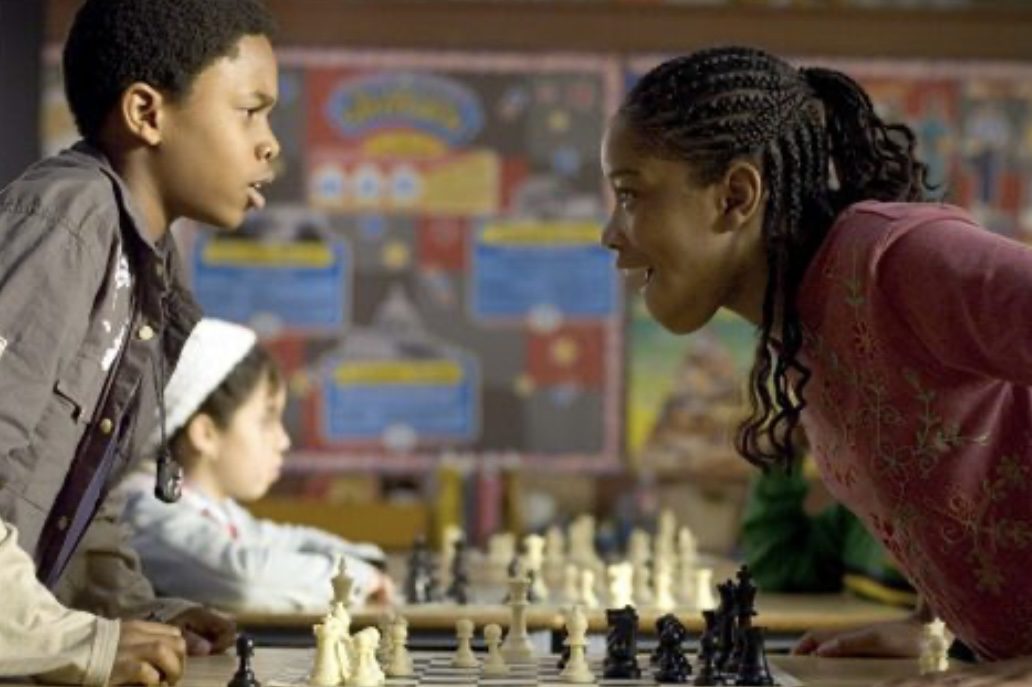
One such dialogue takes place between a young boy named Michel and his father. The boy tells his dad he’s going to participate in a chess championship, but he’s met with a lack of understanding and judgment. His father sees chess as a waste of time and says his son should be helping him at the restaurant instead. But Michel, who has always been an obedient and submissive boy, firmly stands his ground. He explains to his father that he dreams of becoming a doctor and that chess will help him achieve that dream more than washing dirty dishes in a kitchen. This is a clear example of how parents often suppress their children’s choices in careers, passions, hobbies, and personal growth. You have to be as persistent and brave as Michel to stand up for your own life.
Another heartfelt dialogue occurs between another boy, Jimmy, and his father, who has just been released from prison. Here, the situation is completely different. Jimmy’s father, on the contrary, doesn’t want his son to be like him and encourages him to choose a different path. They play chess, and Jimmy loses and gets angry. His father teaches him not to give up and not to deviate from his chosen path, to control his emotions, and to listen to no one but himself. Only then can he become strong and independent and avoid repeating his father’s fate.
But professional film critics did have a few criticisms of the film. First, the movie is only 90 minutes long. This is indeed too short to fully develop all the characters; many were only touched upon superficially, and some of the children’s life stories were left untold, even though the plot suggests they should have been. The screenwriters also paid very little attention to the relationship between the teacher and his own son. Their relationship improves toward the end, but you want to see the development of that bond, not just have to imagine how it might have happened.
Despite the slightly rushed pace, plot holes, and lack of special effects, the film still achieves its main goal: it explains the importance of education for children, addresses the problem of discrimination on various grounds, and encourages adults to find different ways to connect with children, even when it feels like a wall of misunderstanding stands between you.
Fun Facts
- David MacEnulty appears in a symbolic cameo at the end of the film as the announcer at the chess tournament awards ceremony.
- The credits include quotes from real children whose lives were changed by chess.
- Mason in the film uses David MacEnulty’s real method. He discovered it with the help of a young boy named Dawson, who once won a chess tournament and came up with his own way to handle nervousness. When Dawson was asked, “How did you do it?” he replied, “I just imagined all my pieces were ninja warriors, and nothing could stop them.” So, Richard Mason in the film also advises his students to “find their inner ninja” and imagine their favorite characters or heroes instead of chess pieces. After all, for children, play is the most important element of development, and it’s where they feel most at ease.
- The film wasn’t without its chess blunders and inaccuracies. Real chess players will easily spot them.
Read about other films that were shot in the Bronx in this article.