


We continue to introduce you to the incredible success stories of people born in the Bronx—a New York City borough that many consider hopeless and depressed. But challenges only harden character and build willpower. Today, we’ll tell you about a regular kid from a poor Jewish family, Billy Joel, who has since amassed six Grammy Awards and the status of one of the best-selling solo musicians in U.S. history, with 150 million records sold. More details on bronx-trend.
A Difficult Childhood
Billy Joel was born in the South Bronx in 1949 to a family of Jewish immigrants who had come to the U.S. His father, Howard Joel, was from Nuremberg, and his mother, Rosalind, had English roots. Like all immigrants, life was not easy in the post-war years. Howard worked hard, but the family still lived in poverty. After work, his father loved to spend his evenings at the piano. From the age of four, he began teaching Billy to play. But the boy didn’t share his father’s love for classical music; he grew up a real scamp, did poorly in school, and often came home bruised. It was hard for him to make friends, and he was constantly bullied on the street. When Billy got older, he decided to become a boxer. He trained hard and even won over 20 successful fights in the ring. But his sports career ended with a serious injury. After a broken nose, he had to give up his dream of becoming a professional boxer.
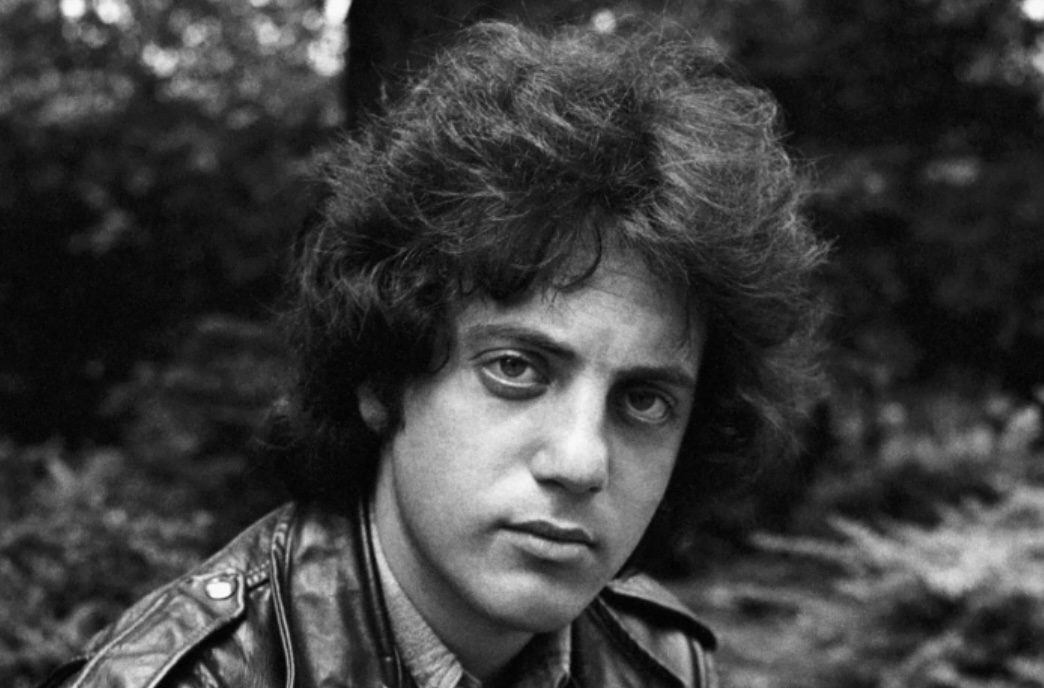
The boy couldn’t find success in school or sports, but his piano skills, inherited from his father, came in handy. At 16, Billy was invited to be the keyboardist for a local band called The Echoes. The rehearsals and performances were amateurish and a bit childlike, but that’s when Joel knew he had finally found his place. He later said:
“I think music, in itself, is healing. It’s an explosive expression of humanity. It’s something we are all touched by. No matter what culture we’re from, everyone loves music.”
Early Setbacks in His Music Career
The neighborhood band quickly broke up. Joel, who now had some experience, was invited to join another group, The Hassles, in 1967. This was more serious; they even recorded two studio albums. The guys played a very specific, complex style of music—psychedelic hard rock—and had their fans, but in 1969, the band also fell apart.
But Billy didn’t want to give up on music and convinced one of the former members of The Hassles, Jon Small, to form a duo. Joel became the vocalist and played the electronic organ, while Small was the drummer. The guys enthusiastically started creating new tracks and quickly recorded an album called Attila (the name of the newly formed duo), but it was a complete failure. To make things worse, an unpleasant situation occurred between the friends—Small’s wife left him for Joel. The band broke up, and Billy was hit by a wave of severe depression, which culminated in a suicide attempt. Joel drank a bottle of furniture polish, but doctors saved him from fatal poisoning. After that, Billy went through the mandatory psychiatric treatment and left with a firm desire to start his own solo career.

At the time, Joel lacked experience, and there was no one around to give him good advice, so Billy carelessly signed a contract for 10 albums with the little-known label Family Productions. He would regret that decision for years, as he had to pay Family Productions $1 from every record sold until 1987. But back then, Billy Joel was full of energy, hope, and dreams of a big musical future, unlike his patrons. Family Productions didn’t do much to promote the young artist. The last straw was when the studio mistakenly recorded a few tracks from the album in a sped-up format, making it almost impossible to listen to.
A Risky but Fateful Decision
After the incident with the ruined album, Joel decided to go all-in and fled to Los Angeles, breaking his contract. In California, he adopted the pseudonym Bill Martin and got a job as a pianist at a small, cozy bar called the Executive Room. This period later inspired him to write the famous 1973 hit “Piano Man,” which became Billy Joel’s signature song and was ranked among the 500 Greatest Songs of All Time by Rolling Stone magazine.
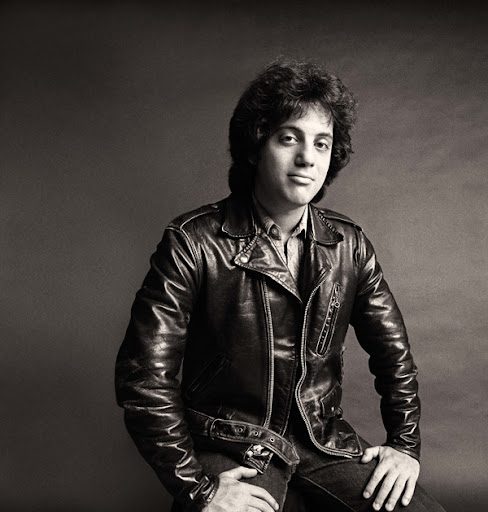
By a lucky twist of fate, Joel’s performance at a live radio concert in 1972 caught the attention of Columbia Records. Billy was offered a deal with the new label, and this time, he carefully read all the terms and weighed the pros and cons. In the end, Joel agreed and didn’t regret it. Columbia Records actively began promoting the talented artist. By the end of 1973, the legendary album Piano Man was released, which became Billy’s ticket to the American music scene.
A New Name in the Music World
But the artist’s path wasn’t without its bumps. After the wild success of his first album, his second—Streetlife Serenade, released in 1974—received the opposite reaction. Joel wanted to give up again, but Columbia Records stood by him.
In 1975, Joel returned to New York, and a new era of hit albums began, propelling Billy higher and higher on the musical Olympus:
- Turnstiles (1976).
This album, which Joel produced himself, included one of his most popular songs, “New York State of Mind,” which later became a de facto anthem for New York City.
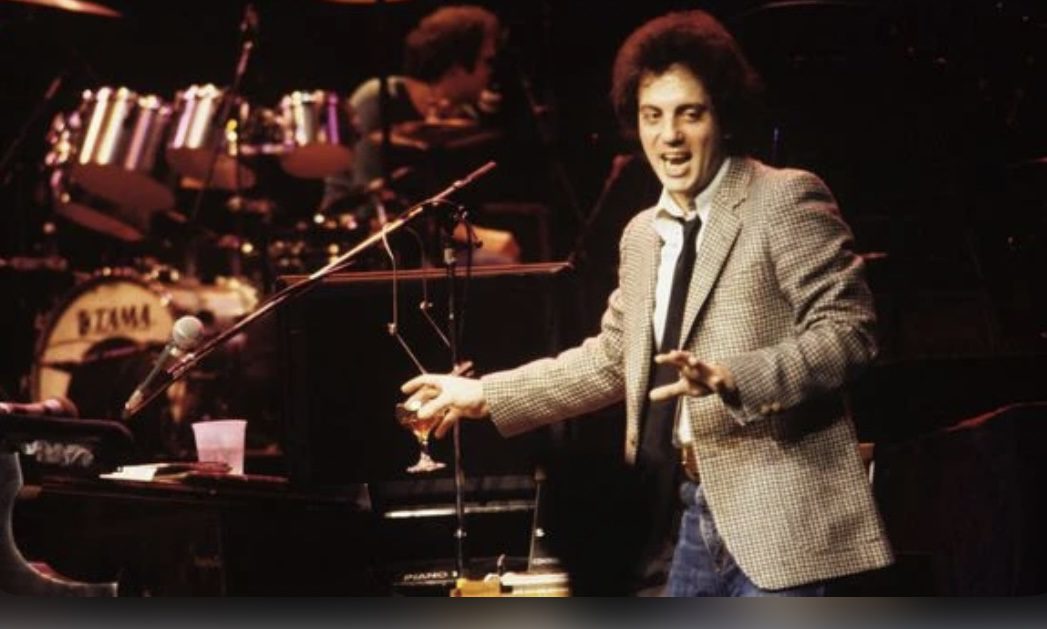
- The Stranger (1977).
Joel cemented his status as a hitmaker with this album, which sold 7 million copies.
- 52nd Street (1979).
Another album, another huge success! In the first month of sales alone, the album sold 2 million copies. It spent almost three months at number one on the Billboard 200. Although music critics gave the album many negative reviews, calling the music too simple and the lyrics shallow, the public loved it. Joel would tear up the critics’ reviews at his concerts and throw the pieces of paper into the crowd.
- Glass Houses (1980).
The album held the top spot on the charts for six weeks. In the popular track “It’s Still Rock’n’Roll to Me,” Joel confirmed his devotion to classic 1950s rock and roll.
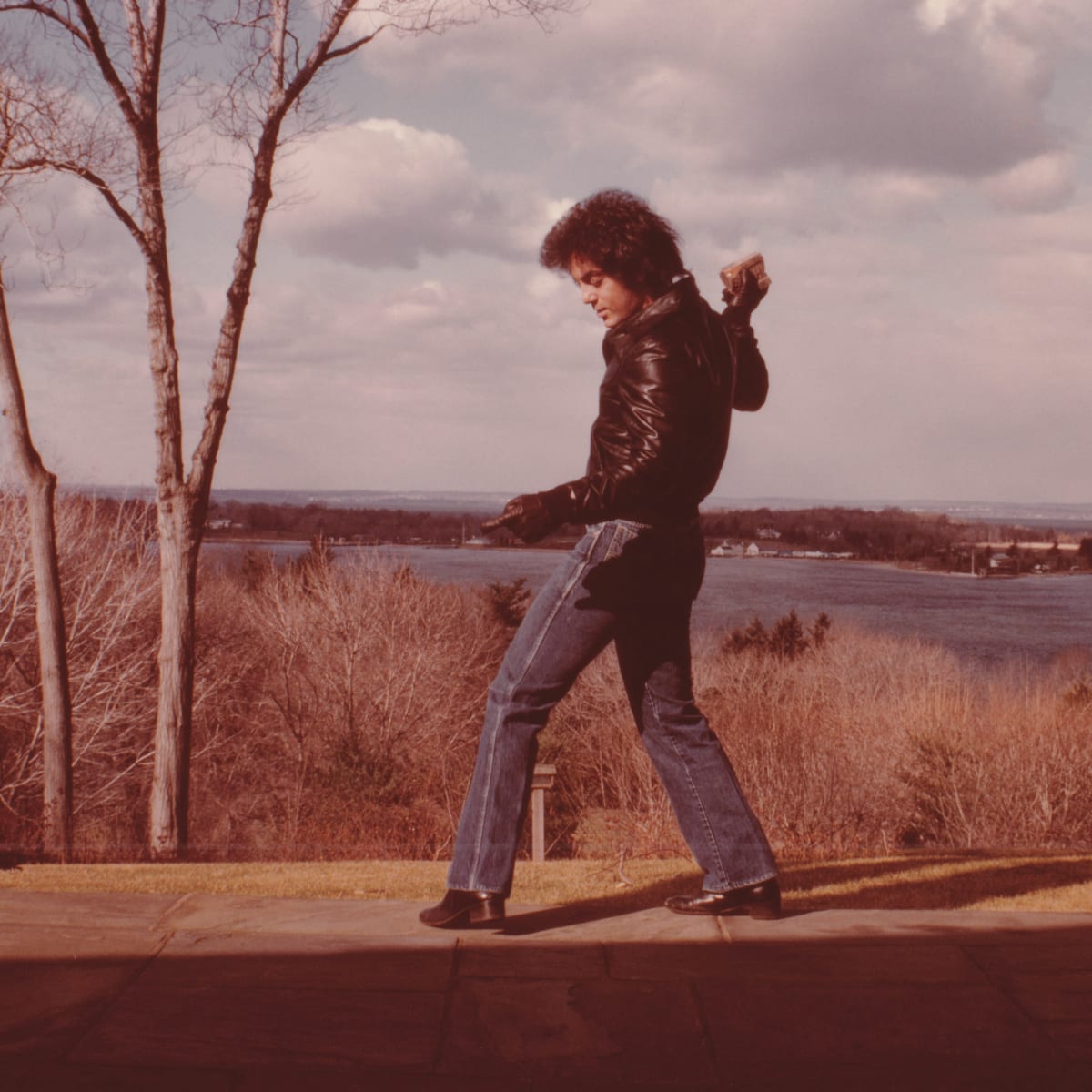
- The Nylon Curtain (1982).
Billy tried a more serious genre, releasing this conceptual album. The effect was the exact opposite: critics absolutely loved it, but the public gave it a cool reception.
- An Innocent Man (1983).
The single from this album, “Tell Her About It,” became a hit, reaching number one on the Billboard Hot 100. Read about John “Jellybean” Benitez, who helped Joel work on this track, in this article.
- The Bridge (1986).
This was the last album to feature the Family Productions logo. Joel was finally free from the “slavery” he had put himself into at the beginning of his career. 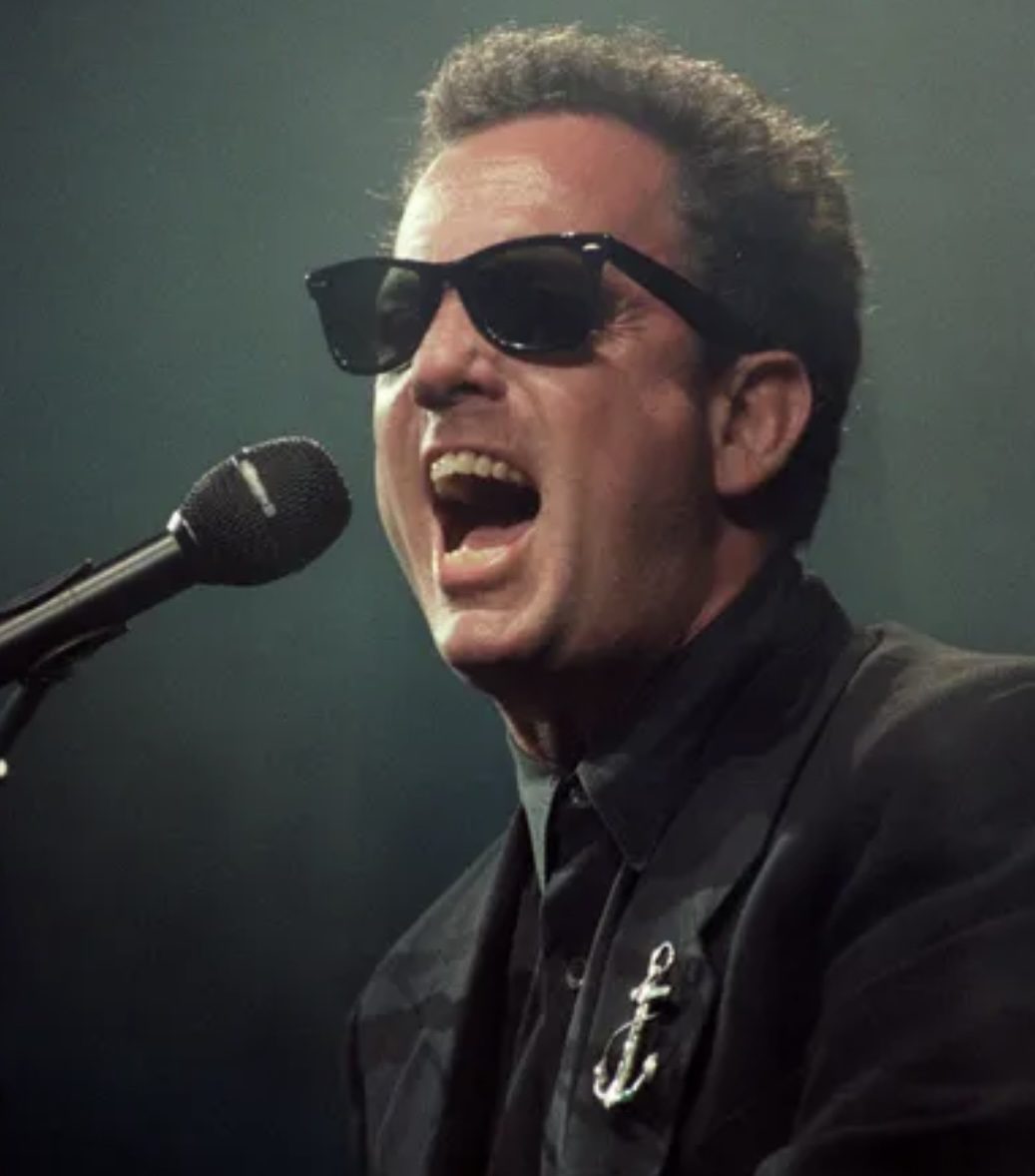
He released several more albums and hits, but they didn’t become as popular as his previous ones. His last studio rock album, River of Dreams, was released in the summer of 1993. Joel is glad that his suicide attempt failed and that he finally understood his value and his happiness. He said:
“The thing about songwriting that is so fascinating is that it combines two things I love to do: create a story and write music to it. Then I get to sing it and play the piano on top of that. My job allows me to do four things that I love immensely.”
Announcing the End of His Rock Music Career
In 1997, Billy Joel announced that he was ending his career in rock music. He decided to focus on creating piano music. The result was the album Fantasies & Delusions, which consists of 12 miniatures performed by pianist Richard Joo. The music on this album combines romantic elements with a touch of blues. The reviews for the compositions were mixed: some critics noted their freshness against the backdrop of complex modern music, while others accused Joel of plagiarism and borrowing styles.
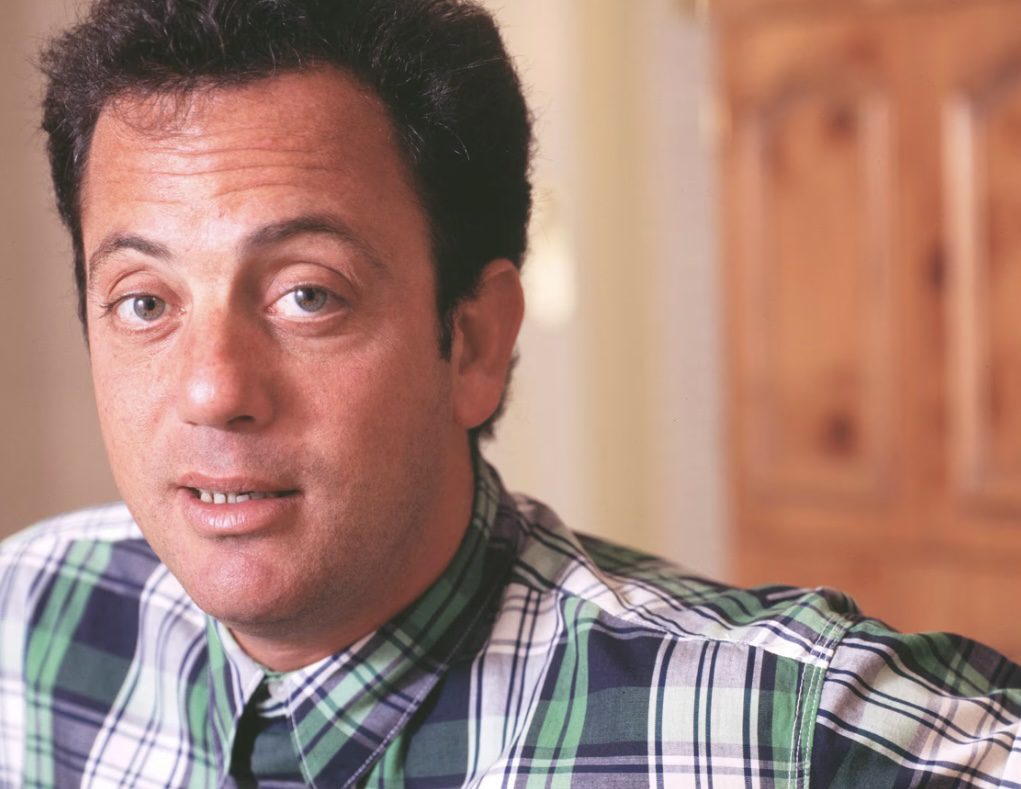
From time to time, Billy Joel delights his fans with concerts, meet-and-greets, and appearances on various shows. He is also actively involved in charity work and supports young musicians. One of his pieces of advice is:
“Don’t make music for some huge, unseen audience, or for a market or a rating share, or even for something as tangible as money. While it’s important to make a living, that has to be your inspiration. Do it for yourself.”