


Aventura is one of the most famous names in the world of bachata, and they were the first major band in the genre to emerge not from the Dominican Republic itself, but from the diaspora—specifically, from the Bronx. They blended traditional bachata with elements of American R&B and other non-Dominican styles. This mix resonated with young Latinos in the U.S., as well as with listeners in Europe and Latin America. We’ll cover the story of this legendary band’s formation, rise, and breakup right here on bronx-trend.com.
Bachata’s Popularization in the U.S. and the Birth of Aventura
In the 1980s and 1990s, a strong bachata fanbase began to form in the U.S. among Dominican immigrants. Unlike in the Dominican Republic, where the music was often considered lowbrow, many immigrants had no prejudice against bachata and continued to listen to it. At the same time, a new generation of Dominican Americans grew up listening to bachata, but they also listened to rap, R&B, and rock. They lived in the multicultural environment of New York, spoke English, were interested in technology, and had access to studio equipment that wasn’t available to musicians from previous waves of immigration.
The members of Aventura were typical representatives of this new generation. Vocalist and songwriter Anthony Santos was born in the Bronx to a Dominican father and a Puerto Rican mother. His cousin Henry Santos, the only member of the band born in the Dominican Republic, moved to New York at age 14. Guitarist Lenny Santos and his younger brother, bassist Mikey, were also Bronx natives of Dominican descent.
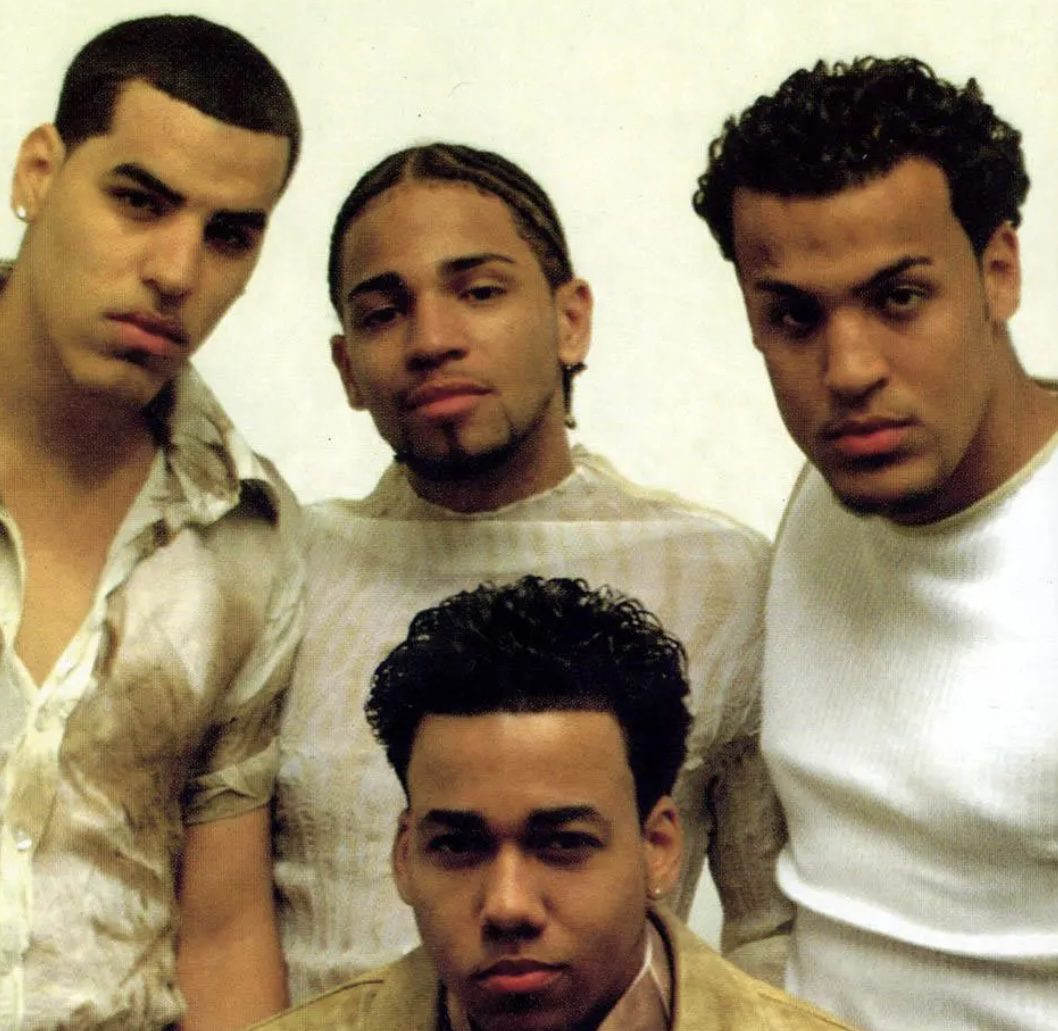
Lenny was the first to get seriously involved in music; he arranged Elvis Martinez’s albums. Around that time, Lenny and Mikey formed a band that needed a vocalist. Through a mutual acquaintance, they heard about Anthony Santos, who was singing in a church choir with Henry. That’s how the band came together.
The new lineup began performing as Los Tinellers (a Spanish spelling of the word “teenagers,” used for the convenience of their Latino audience).
Their musical development didn’t happen in restaurants, as was common for most bachata groups of the time, but on the streets and in the shops of the Bronx, in front of their young, local audience.
Adopting a New Style and Name
In July 1995, the young band Los Tinellers performed at the Bronx Dominican Parade. They had approached the event coordinator, Alvin Polanco, themselves and asked to perform. Impressed by their enthusiasm and talent, he not only gave them a spot but also agreed to become their manager. Despite limited funding, Polanco helped the band record their debut studio album, Trampa De Amor, which was released in 1996. The album was not a commercial success—officially, only five copies were sold—but it laid the groundwork for the band’s future work: it included the song “Cuando Volveras,” which would later become a hit.
In 1996, Julio Cesar Garcia became the band’s new producer, helping to rebrand them as a Latin boy band—trendy, modern, and youth-oriented. They changed their name to Aventura, meaning “adventure,” to symbolize their new direction. Alvin Polanco stepped back due to health issues, and in 1998, the band signed with Premium Latin Music, where Franklin Romero became their new mentor.
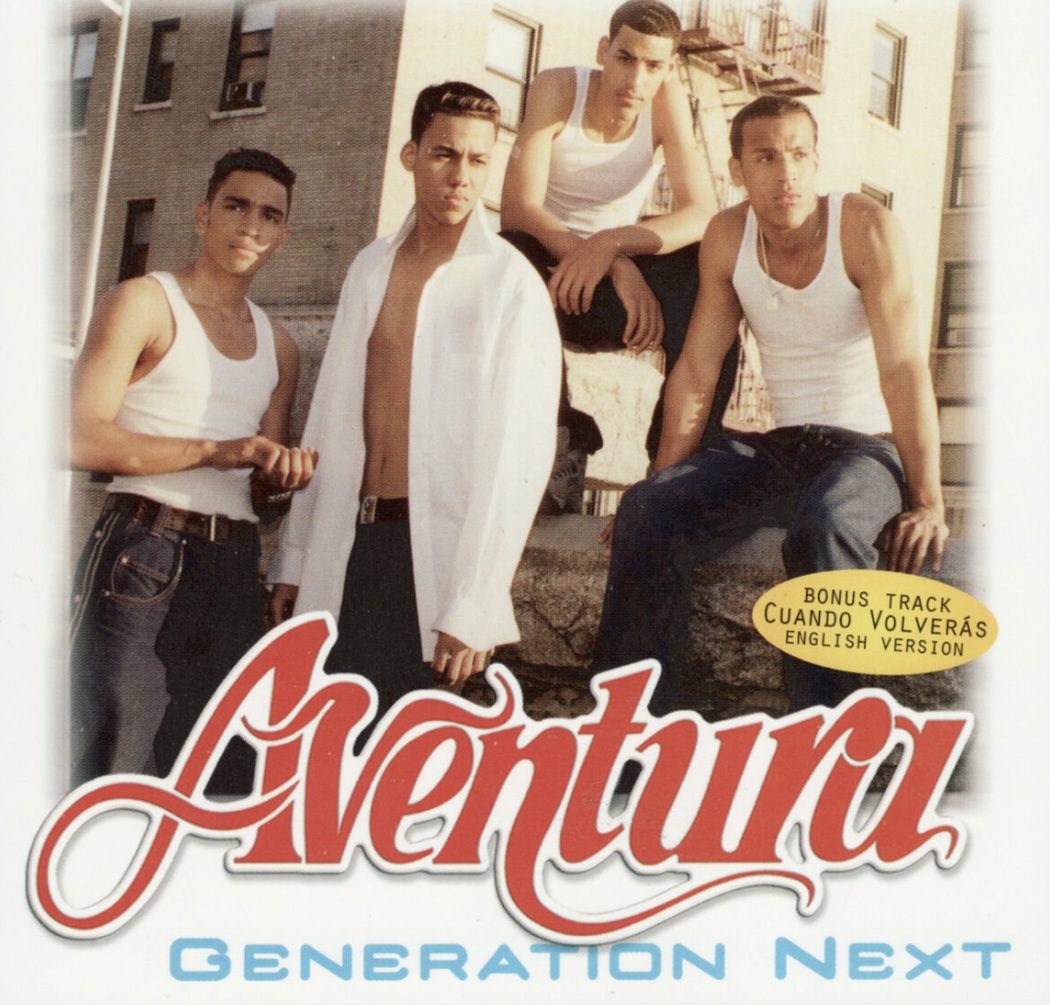
In November 1999, they released the album Generation Next, their first under the new name. The album still had elements of traditional bachata but already showed a desire to move beyond the genre.
New Experiments and Global Recognition
In 2001, Aventura was working on its second album. The project was not yet finished when pirates stole four demo tracks from the studio. While it initially seemed like a blow to the band, the leak actually became a turning point, especially for the song “Obsesion.” It quickly gained popularity among young internet-savvy listeners and then on the radio: even the influential New York station La Mega, which usually ignored newcomers without major label backing, was forced to put the hit into rotation.
“Obsesion” topped the charts in seven European countries and reached number one on the Eurochart Hot 100. It also made it onto the Billboard Tropical Songs chart in the U.S. For the first time, bachata was being heard in places where it had never been before—on mainstream European radio stations.
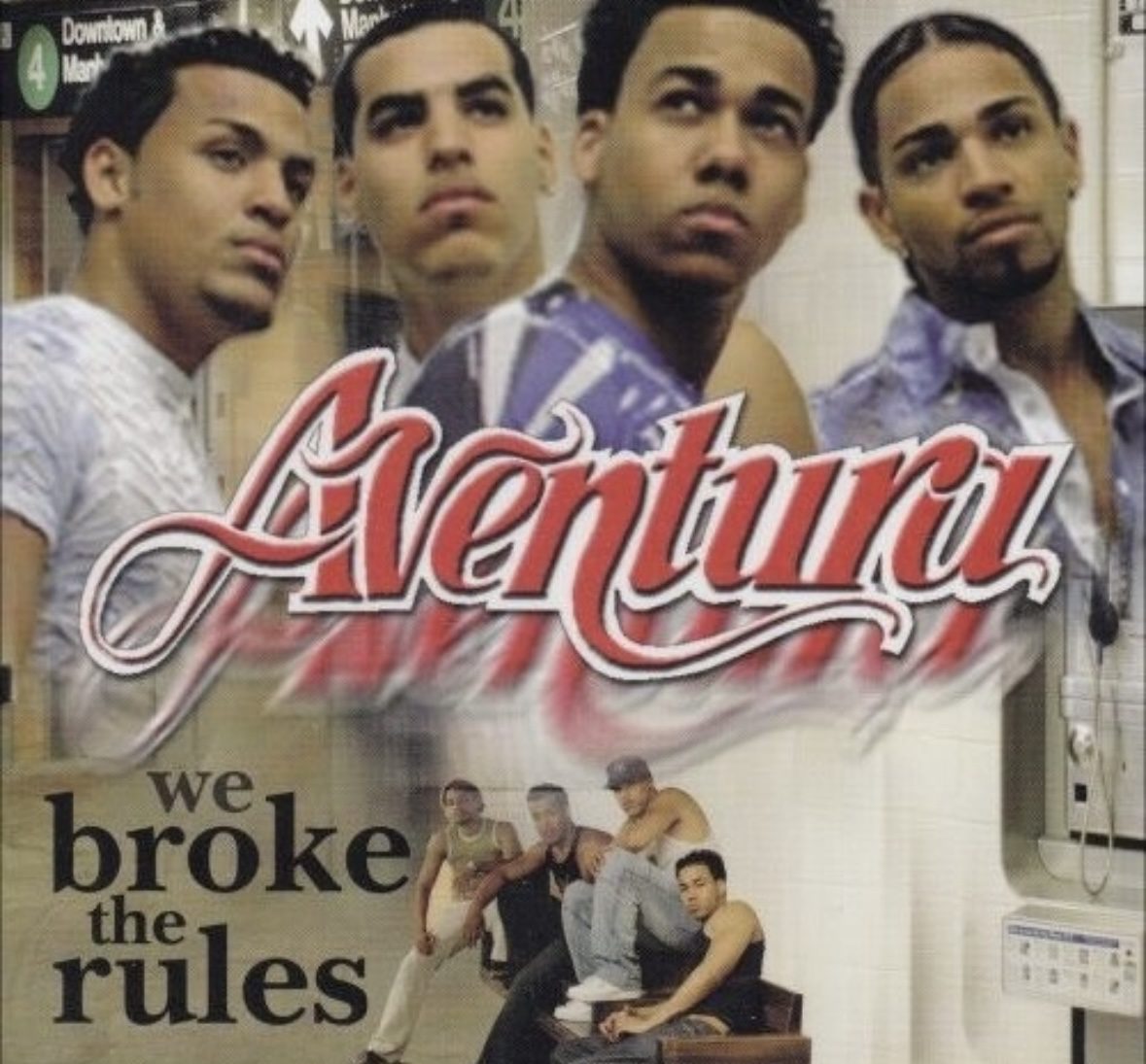
In 2002, the band officially released the album We Broke the Rules. This music was radically different from traditional bachata: synthesized strings, R&B rhythms, guitar effects (wah-pedal, phaser, tremolo), and bass tricks in the style of funk and rock. With this, Aventura essentially created a new subgenre: urban bachata (bachata urbana). The album reached number 5 on the Billboard Tropical Albums chart and number 1 on the French and Italian charts.
During this same period, Anthony Santos began using the stage name Romeo Santos. He came up with the name Romeo influenced by his own song “Todavía Me Amas,” which references the pair Romeo and Juliet. Additionally, there was already a well-known artist in the bachata world named Anthony Santos, so choosing a new name also helped avoid confusion.
A Busy Performance Life
From then on, Aventura actively and consistently gained popularity. Here are some of the band’s most important achievements:
- 2003.
On November 18, the band released their third album, Love & Hate, which became Aventura’s first gold and platinum album in the U.S. Special editions of the album were later released for Italy and Romania.
- 2005.
Aventura signed with Sony Music Latin. On April 26, the album God’s Project was released, becoming a breakthrough for the band: it reached number 1 on the Tropical Albums chart and was certified quadruple platinum by the RIAA. On March 10, 2006, the band performed for the first time at Madison Square Garden.
- 2006.
On December 19, they released the live album K.O.B. Live, which included five new studio songs. The album topped the Tropical Albums chart and received widespread acclaim.
- 2007.
The single “Mi Corazoncito” was released, reaching number 1 on the Tropical Airplay chart. In November, Kings of Bachata: Sold Out at Madison Square Garden was released, which was certified 8x platinum by the RIAA.
- 2008.
They recorded the live album Live From The World exclusively for the Dominican Republic. In December, the band held a series of concerts in San Juan, Puerto Rico.
- 2009.
On June 9, Aventura released their final studio album, The Last—their most successful ever: it reached number 5 on the Billboard 200, number 1 on the Top Latin Albums chart (for 23 weeks), and number 1 on the Tropical Albums chart (for 50 weeks). In October, the band performed at the White House for President Barack Obama.
- 2010.
In January and February, they played four sold-out shows at Madison Square Garden as part of The Last Tour, which outsold Lady Gaga and Madonna. In April, the band won 9 of their 12 nominations at the Billboard Latin Music Awards.
- 2011.
On March 7, the band played their final concert in Venezuela before going on hiatus.
Years of Hesitation
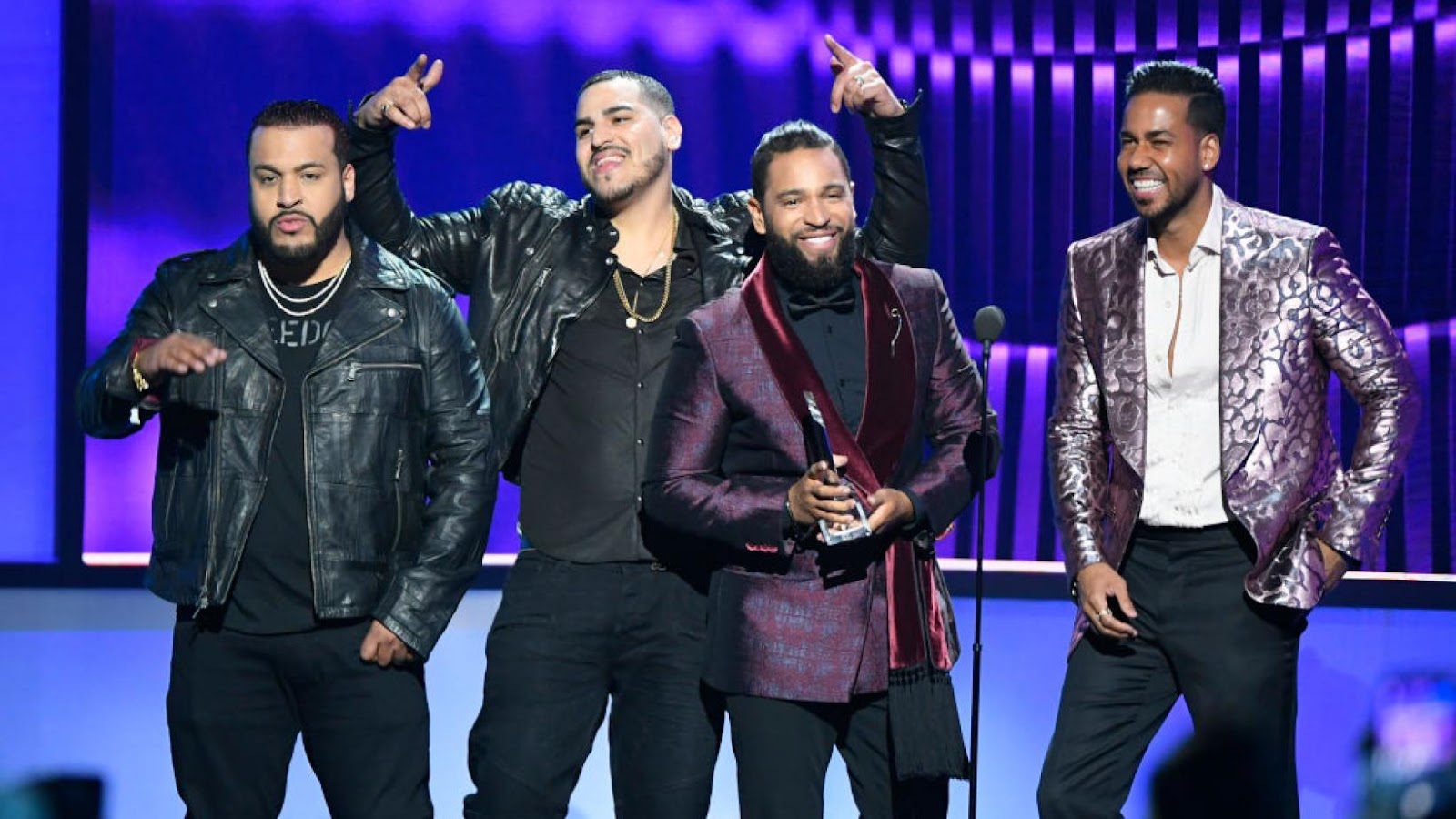
Despite their global popularity, Aventura took a break in 2011. Although there were no public conflicts, a tension was palpable—a struggle for recognition, different creative visions, each member wanting to pursue their own artistic path. But despite the breakup, the band reunited several times for individual songs or tours. In July 2014, Aventura reunited for a single night during Romeo’s second concert at Yankee Stadium.
This was followed by a series of concerts in 2016. They also released a compilation album, Todavia Me Amas: Lo Mejor De Aventura, which reached number 4 on the Billboard Top Latin Albums chart, number 1 on the Billboard Tropical Albums chart (where it stayed for 195 weeks), and was certified triple platinum by the RIAA.

In 2019, a new song called “Inmortal” was released. The tour with the same name, announced in December 2019, had barely begun before it was halted by the pandemic. However, in 2021, the band made a triumphant return: the Inmortal tour drew tens of thousands of fans, including a sold-out show at Hard Rock Stadium in Miami, where Aventura became the first Latin band to fill the arena to capacity.
After that, the musicians went their separate ways once more.
A Gift for All Fans: The Great Farewell Tour of 2024
But Aventura decided to put an end to it all once and for all and announced their farewell world tour, “Cerrando Ciclos” (“Closing Cycles”), in 2024. The tour was a symbolic end to their journey and a celebration of the legacy they created.
The tour began on May 1, 2024, in Sacramento, and covered North America, Latin America, and Europe. The band drew a multinational audience to their concerts, where fans from different generations sang along to their favorite hits. In total, the concerts included up to 34 songs per night.

The tour also served as a platform for live interaction with fans. During the second concert at Kaseya Center, a fan named Veronica Mayo joined the band on stage and sang “Yo Quisiera Amarla” with Romeo Santos. In a touching Instagram post, she wrote:
“I have been singing their songs with so much emotion since I was six years old, not even knowing what it meant. I am so happy I got to live out my six-year-old self’s dream.”
The crowd waved Latin American flags, mostly Dominican ones. Non-Latino fans also sang in Spanish and danced bachata. Romeo Santos spoke exclusively in Spanish, emphasizing the band’s Dominican roots and their dedication to their community. Bachata has come a long way—from a folk genre to the stage of Madison Square Garden—and thanks to Aventura, this music is heard all over the world.