He became famous as the producer who brought Broadway talents to the big screen. It was Martin Bregmanwho discovered Al Pacino in the off-Broadway play The Indian Wants the Bronx and helped the actor take his first steps in film. Martin Bregman left a legacy as a producer who was not afraid to tackle bold projects, was known for his attention to actors and the city of New York, and was an example of how perseverance and a clear vision can change the film industry. His films are still beloved, and his influence is felt in the work of subsequent generations. Read on for more about the life and career of this distinguished figure on bronx-trend.com.
A Hardened Childhood and First Steps in Show Business
Martin Bregman was born on May 18, 1926, in the Bronx, to Leon and Ida Bregman. The future film producer’s childhood was challenging: at age four, he contracted polio, which forced him to use a cane for the rest of his life. However, the illness didn’t break his spirit—on the contrary, it hardened him, instilling in him a sense of determination and resilience. The son of a Jewish family, he grew up in a predominantly Italian neighborhood on Gun Hill Road, where he constantly had to fight for his place among his peers. These lessons in survival became the foundation for his later life.
His education at Indiana University and New York University gave Bregman a foundational knowledge, but the real school of life was waiting outside the classroom. After graduating, he tried his hand at insurance, working as an agent. But fate relentlessly pulled him toward the entertainment world, and Martin’s first step in that direction was finding himself in New York’s nightclubs. Initially, he supplied alcohol to venues, and later began organizing singers’ performances.
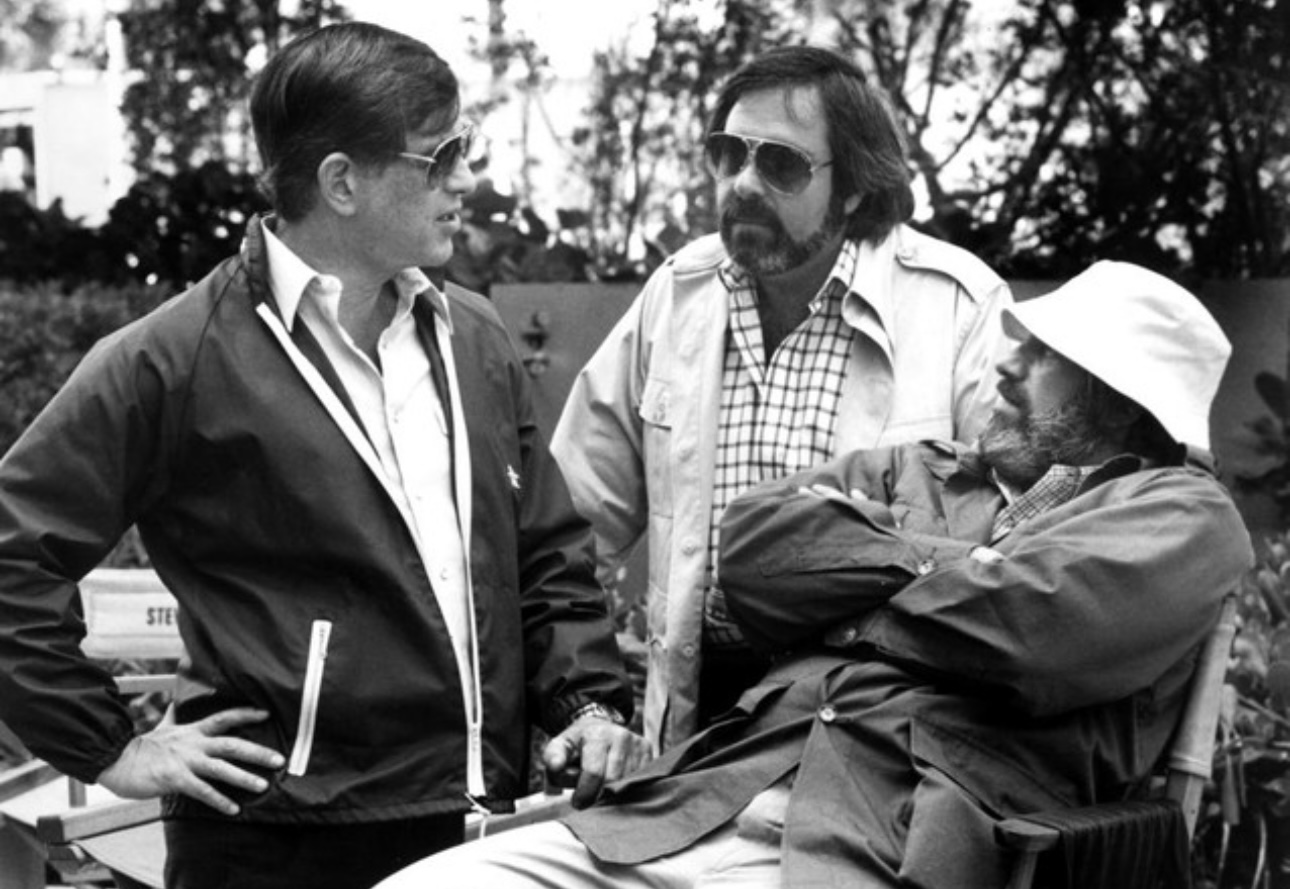
“He didn’t even know what he was doing, but because of his persistence, artists started making more money than they had before,” recalled his son, Michael.
These early successes opened the door to the world of show business for Bregman. He quickly mastered the skills of talent management and began signing contracts with artists, and his name started to circulate among New York’s cultural elite.
Over time, Martin Bregman became a man who shaped the careers of stars. His journey from a sick boy with a cane from the streets of the Bronx to an influential Hollywood producer is a testament to the fact that persistence, ambition, and self-belief can change any destiny. Every step he took, from his first nights in clubs to global recognition, reflected one principle: challenges are not obstacles but springboards for those who aren’t afraid to move forward.
The Star Duo with Al Pacino
By the early 1970s, Martin Bregman already knew how to build careers. Thanks to his business acumen and the support of investors, including influential developer Lewis Rudin, he transitioned from nightclubs to personal management, representing a whole host of future legends: Woody Allen, Barbra Streisand, Faye Dunaway, Alan Alda, Bette Midler. But his greatest discovery was a young actor with incredible charisma: Al Pacino.
Bregman discovered Pacino in a modest off-Broadway production. He believed in him from the very beginning and did everything he could to ensure the talented but unknown actor got his chance. It was thanks to Bregman’s persistence that Pacino was cast in the 1971 drama The Panic in Needle Park, where he played a young drug addict. This role became a crucial stage in the future star’s career and helped him make a name for himself on the big screen.
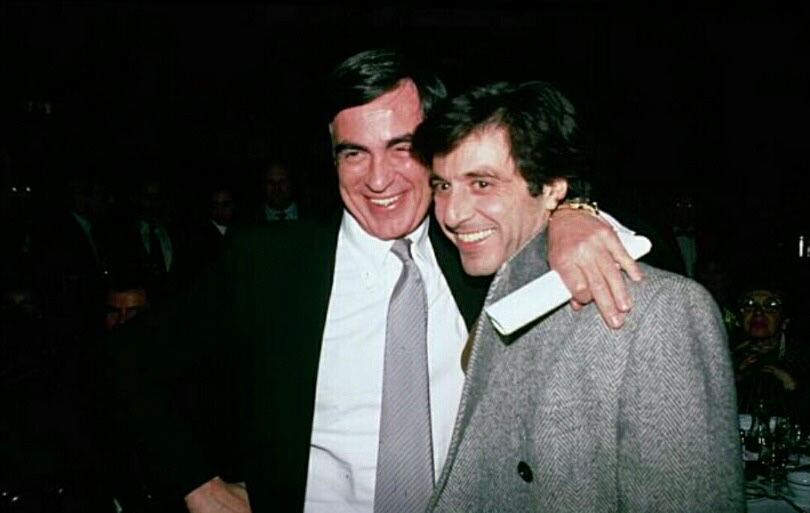
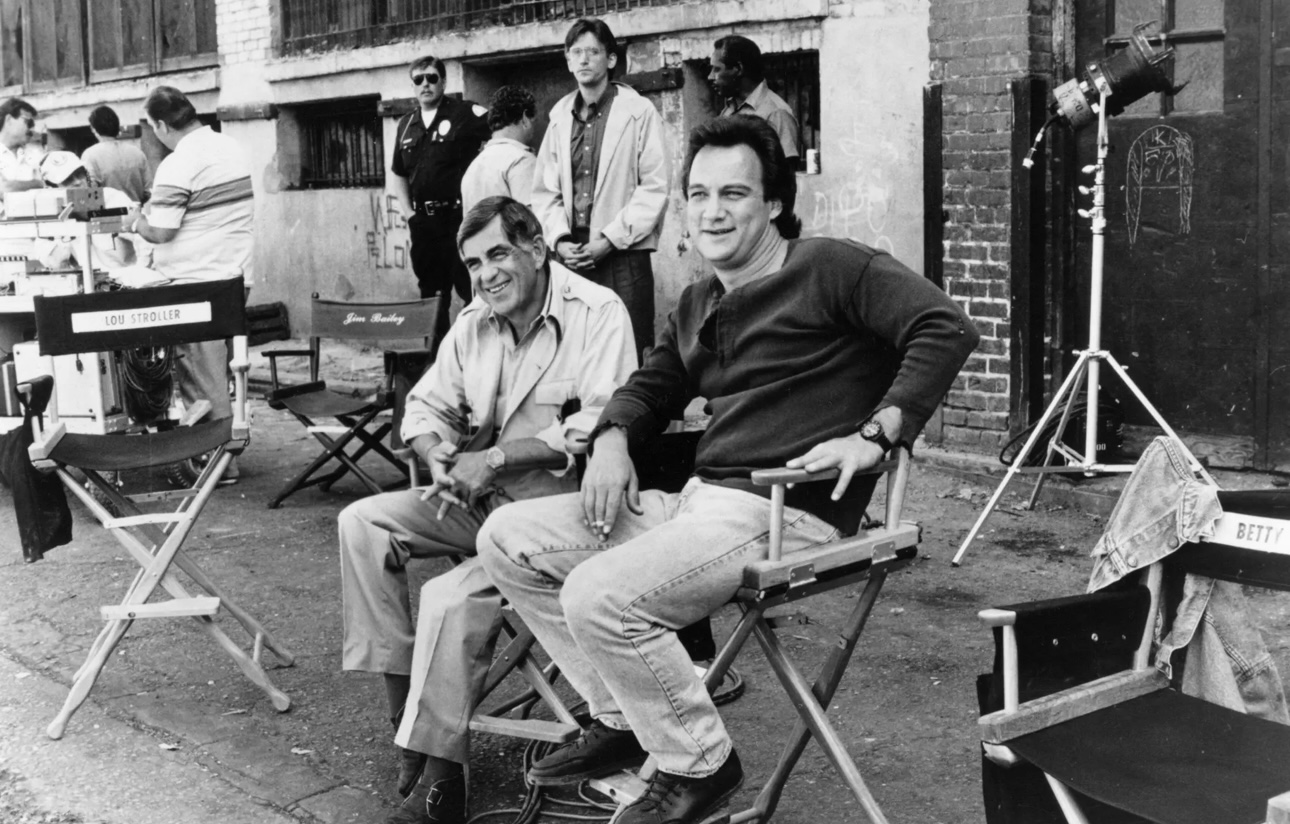
In 1973, at the age of 47, Martin Bregman took a bold step—he became a film producer. His debut was Sidney Lumet’s Serpico, again starring Pacino. The film, based on the true story of a police whistleblower, was a colossal success and cemented Bregman’s reputation as a serious producer.
This duo’s momentum only grew. Dog Day Afternoon in 1975 was another breakthrough—the tense drama about a botched bank robbery brought both box office success and critical acclaim. Later came the iconic Scarface (1983)—a brutal saga about a Cuban drug lord in Miami, where Pacino delivered the immortal line, “Say hello to my little friend!” This theme would later be echoed in Carlito’s Way (1993), where Pacino played a criminal trying to escape his past. And in between, Bregman also gave audiences Sea of Love (1989), a detective story with melodramatic elements, in which Ellen Barkin appeared alongside Pacino. All of these films shared one thing: Pacino’s charisma and Bregman’s producer’s intuition.
Interestingly, in the 1970s, Bregman almost went into production on David Rabe’s screenplay for First Blood, with Pacino cast as John Rambo. But the actor declined, finding the story too grim. Who knows, if the decision had been different, perhaps the iconic role that went to Sylvester Stallone would have belonged to Al Pacino.
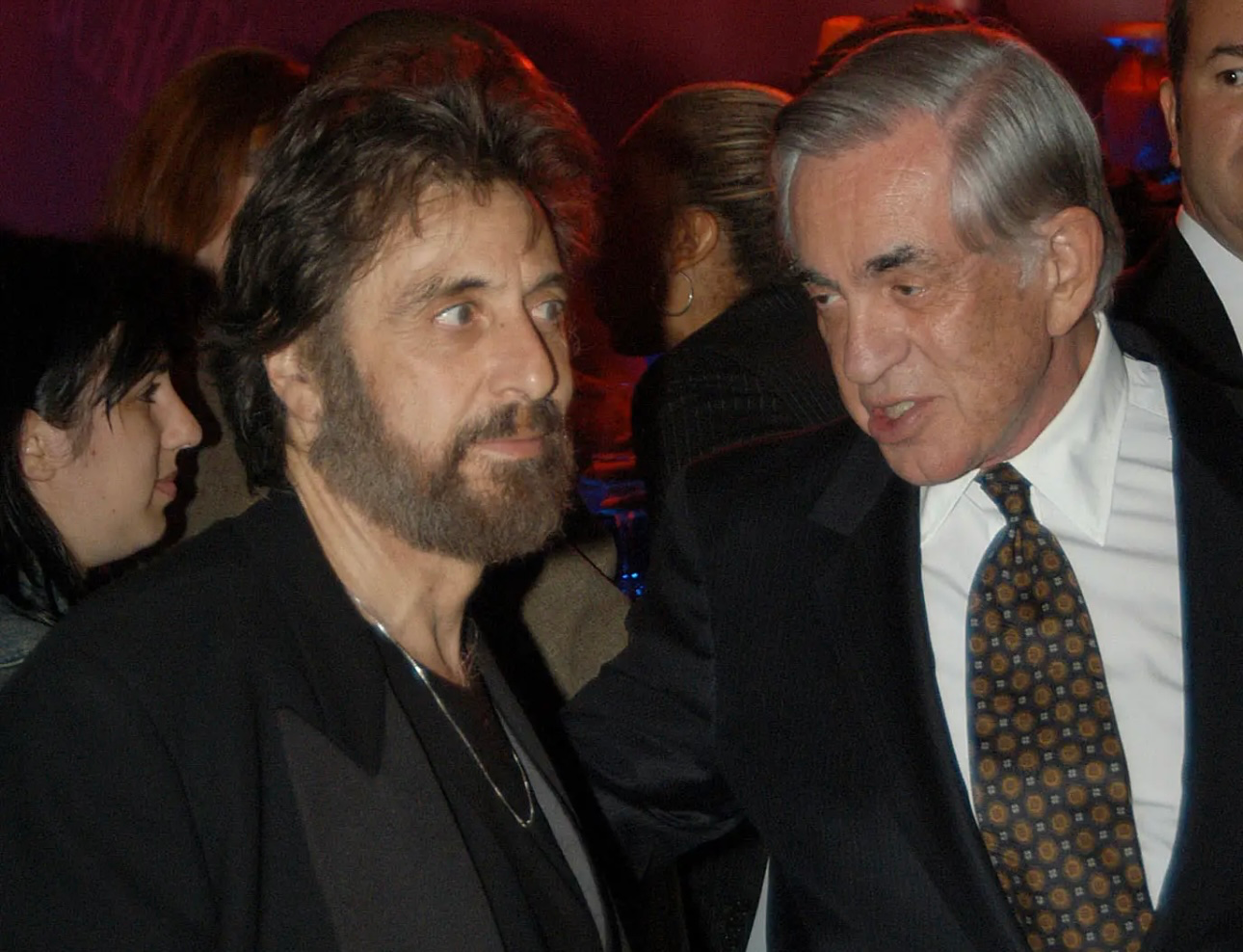
Continuing His Career in Film
After his resounding success with Al Pacino, Martin Bregman didn’t limit himself to crime dramas. In 1979, he began a creative partnership with Alan Alda, an actor and director with his own cinematic vision. Together, they made a series of films that contrasted with the gangster epics, showcasing a different side of Bregman—a producer who knew how to tell sincere and warm stories about human relationships.
Their first collaboration was The Seduction of Joe Tynan (1979), a drama about a U.S. senator who compromises his principles. This was followed by The Four Seasons (1981), a gentle story about a middle-aged marriage, Sweet Liberty (1986), which depicted the clash of academia and Hollywood, A New Life (1988) about divorce, and Betsy’s Wedding (1990), a comedy about a working-class family clashing with wealthy relatives. In these projects, Alda was not only the actor but also the screenwriter and director, and Bregman provided the necessary support.
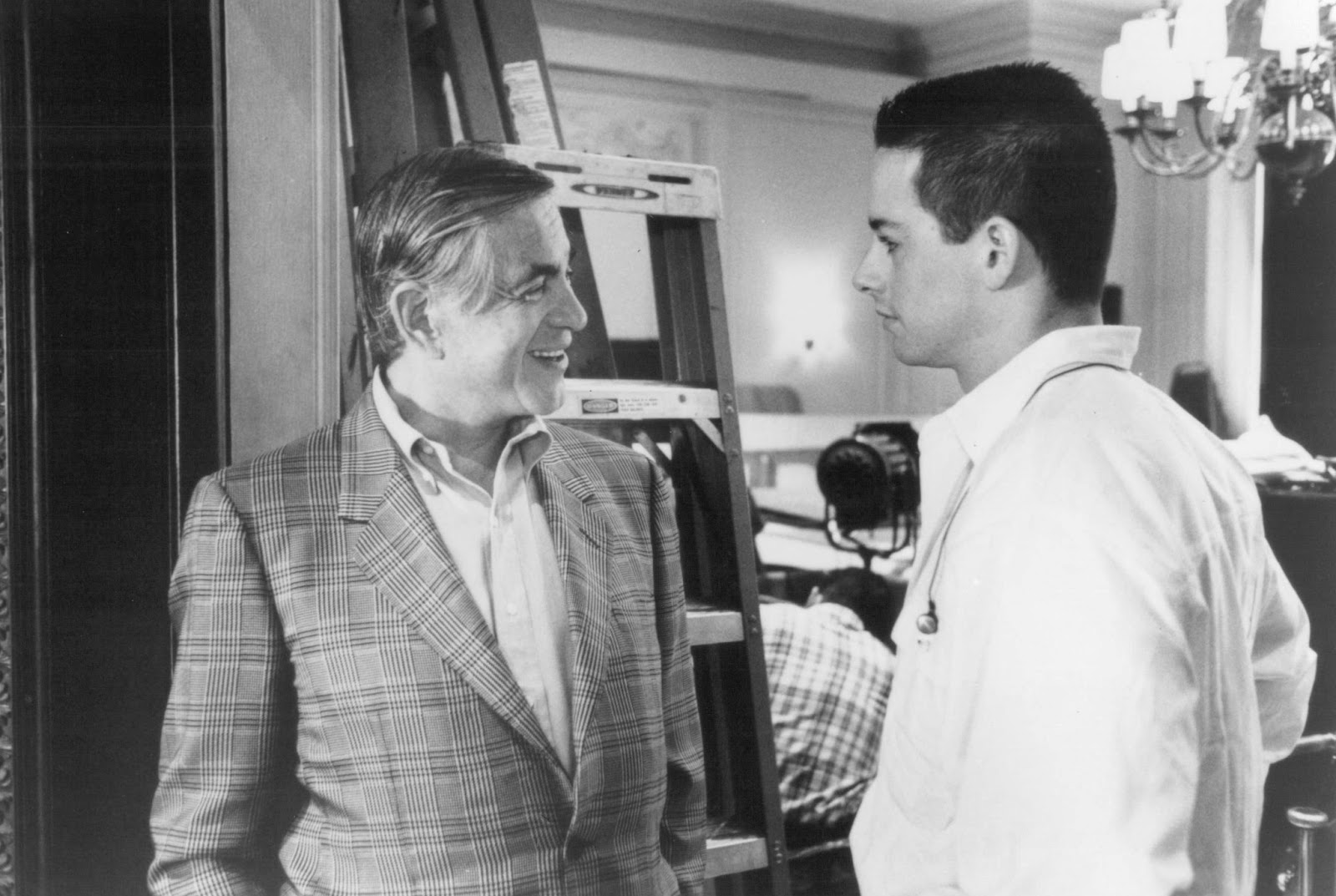
In the 1990s and 2000s, the producer expanded his genre range. He took on the children’s film Matilda (1996), the thriller The Bone Collector (1999) with Denzel Washington, and the space fantasy The Adventures of Pluto Nash (2002) with Eddie Murphy—one of his few box office failures. His last theatrical project was the romantic comedy Carolina (2003) with Julia Stiles and Shirley MacLaine.
Actors valued Bregman for his presence and dedication. Michael Caine recalled:
“He was always on set, without any boasting. Unlike many producers, he was a real worker.”
Al Pacino openly stated:
“Martin Bregman discovered me on Broadway. And it is because of him that I am here. I owe him everything.”
Bregman himself admitted:
“I have opinions, and I express them. I don’t let a director do whatever he wants. I think that makes me an exception.”
Life Off-Camera
Martin Bregman lived his entire life in New York, remaining a family man even amidst the whirlwind of Hollywood. He had three children: sons Christopher and Michael from his first wife, Elizabeth Driscoll, and a daughter, Marissa, with actress Cornelia. Michael followed in his father’s footsteps, becoming a film producer, while Marissa chose a career in music. Cornelia also appeared in several of Bregman’s films, including Serpico.
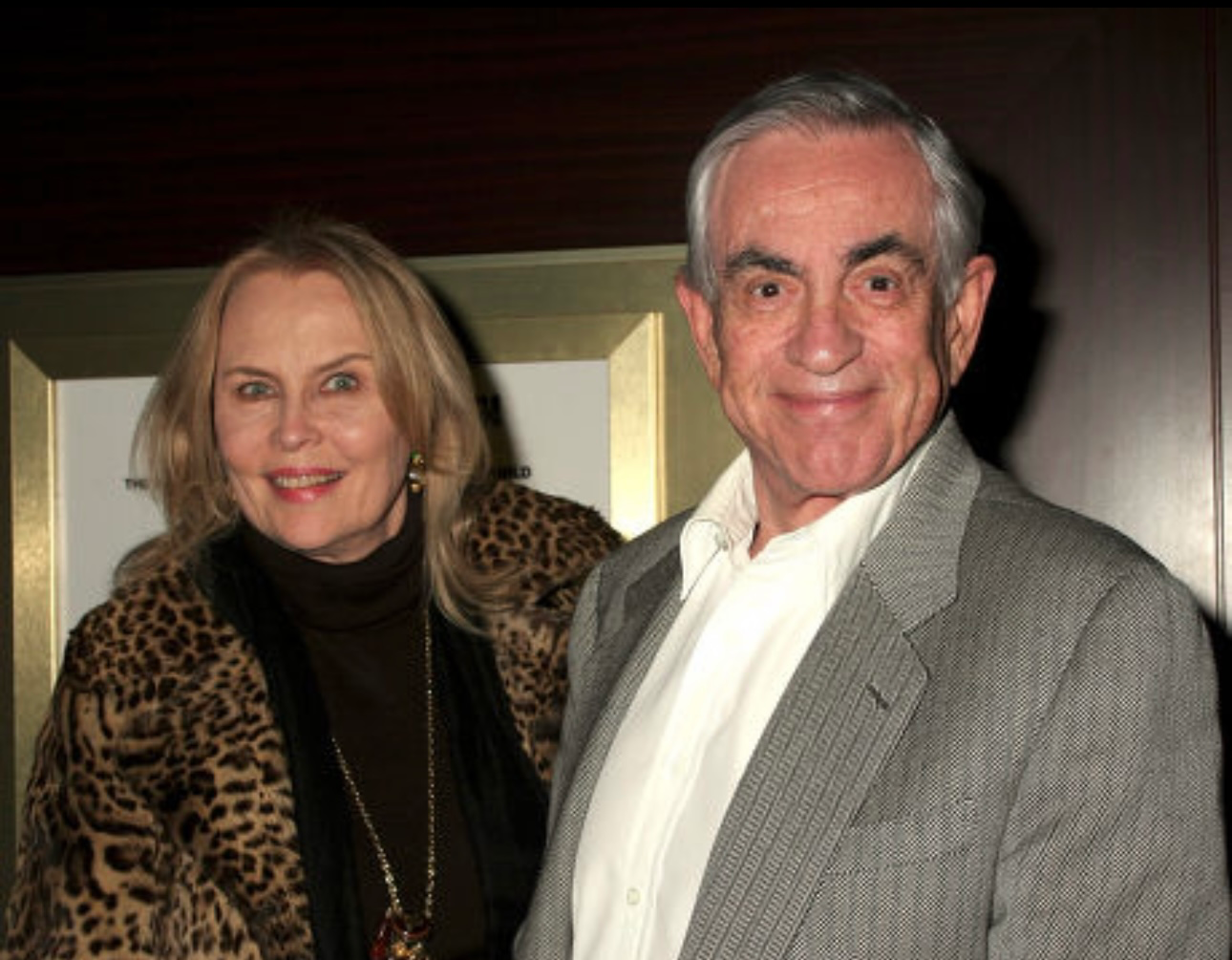
Bregman lived in the famous Eldorado on Central Park West, in the same building as Alec Baldwin, remaining active and independent into old age. He lived to be 92, passing away on June 16, 2018, from a cerebral hemorrhage.
Even in his old age, Bregman was no stranger to news and lawsuits. In 2016, investors who participated in his failed attempt to adapt Nelson DeMille’s novel The Gold Coast won a settlement for damages. And three years before that, Bregman’s name was at the center of a lawsuit with Alec Baldwin. The actor claimed that the young actress suing him was Bregman’s mistress. Martin publicly denied this, calling Baldwin a liar.
Even in his mature years, Bregman remained energetic and unafraid to speak his mind. He once sent a furious letter to George Clooney with a bill for $790 for the illegal use of a camera crane during the filming of The Adventures of Pluto Nash. Clooney had simply borrowed the crane for his own project for a night, but Bregman was outraged that the actor had done so without permission.
Bregman’s life was a combination of family values, a passion for cinema, and unwavering confidence in his own decisions. Even at an age when many choose a quiet life, he remained an active, decisive, and remarkable Hollywood personality.