


22 years is a solid run for an explosive punk rock band, but frontman Matt Caughthran is steering The Bronx toward a future of relentless growth and forward motion. Two decades on, their concerts still buzz with insane energy and wild abandon, and the guys continue to surprise fans with bold musical experiments and exciting collaborations. So today, let’s talk about The Bronx and their journey through the American music scene. Read more on bronx-trend.
The Band’s Formation
Despite their New York-inspired name, the band was actually formed on the other side of the country, in Los Angeles. The guys got together in 2002, united by a shared passion for punk rock. Young, ambitious, and fearless, they craved fame and recognition. They dedicated themselves to writing songs and seized every opportunity to make a name for themselves, never shying away from playing small, obscure clubs and parties. With their intense drive and undeniable talent, they saw quick results. After playing just 12 shows, The Bronx caught the attention of Island Def Jam Music Group and signed a contract. However, they released their debut album on their own label, White Drugs Records. The band’s original guitarist, Gilby Clarke, helped create their first demo, and from there, things just took off.
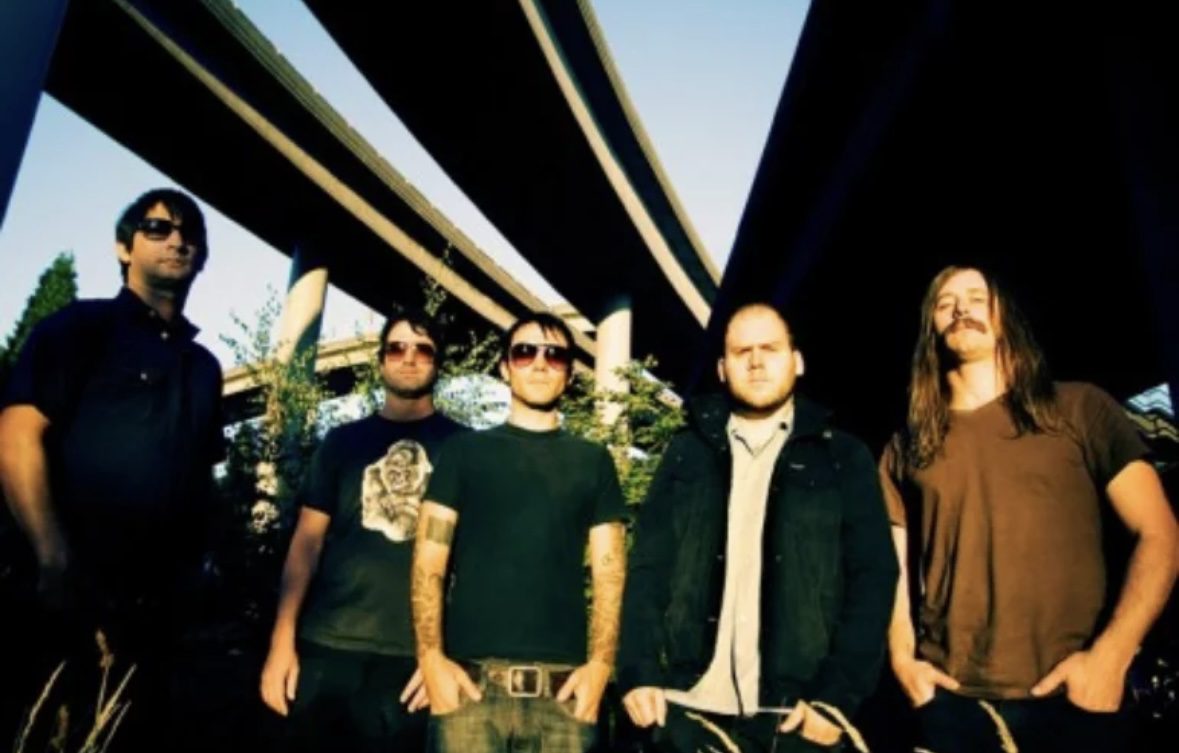
The band retained the rights to their debut album, which was released through licensing agreements in several regions. Following this release, they quickly gained huge popularity in the US, UK, and Australia, thanks to their active touring, high-energy shows, and a unique fusion of 80s punk with modern rock.
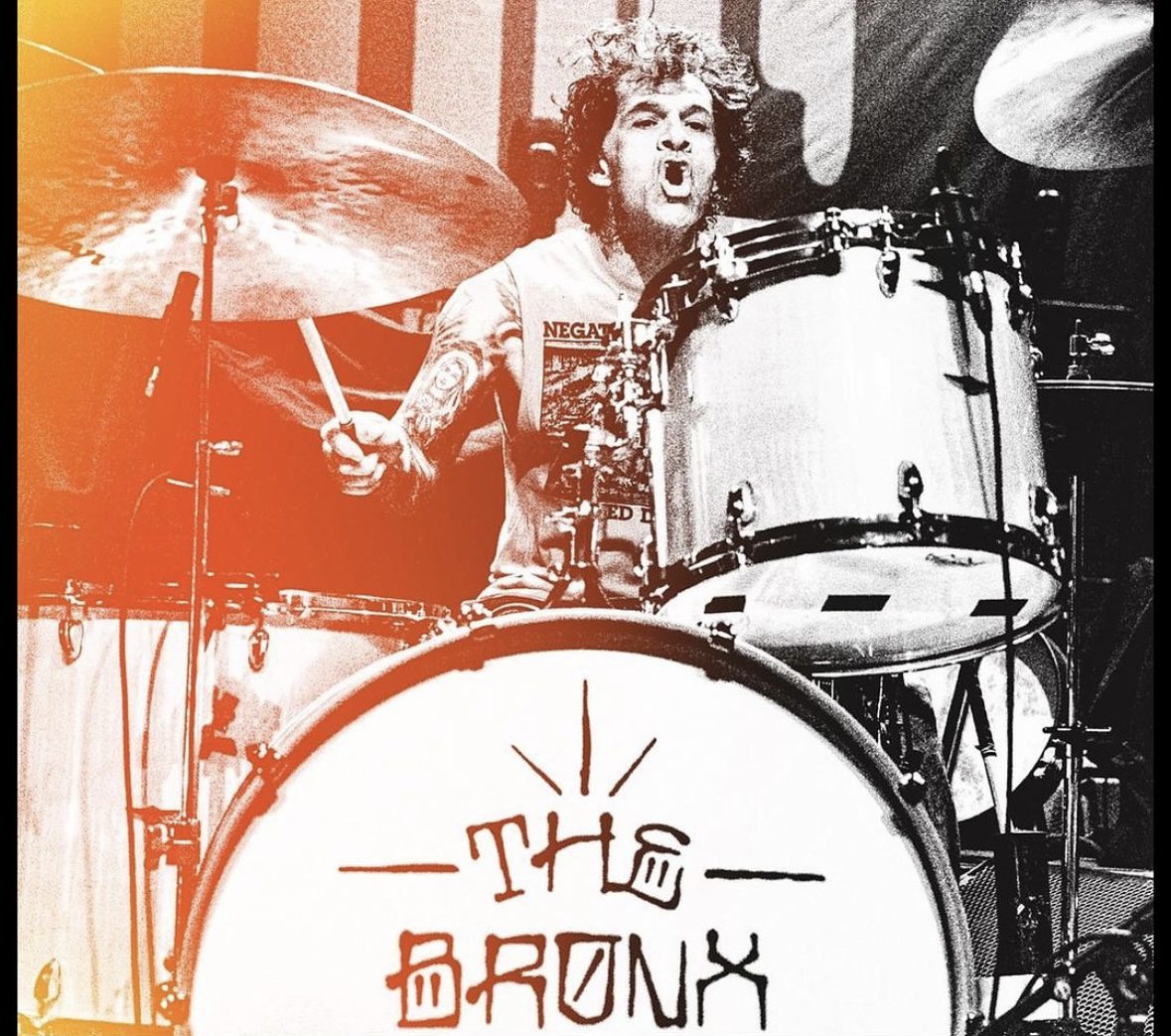
A Distinctive Style and Their Albums
The Bronx have always stood out with their original, one-of-a-kind style. Their music features classic guitar riffs and, naturally, hardcore drum beats, but there’s something that makes their tracks truly unique. You can hear elements of mariachi—a genre of traditional Mexican folk music that blends Spanish folk motifs from Andalusia with music from other Mediterranean cultures and indigenous performers.
The choice of this unusual combination isn’t a coincidence. The Bronx frontman recalls:
“I grew up in a Mexican neighborhood, where there was a lot of focus on family, and it was a great place to grow up. There was a little bit of violence and there were a few gangs, but for the most part, I could do what I wanted and stay out of that stuff. I was a street-smart kid. And my parents were super cool; they guided me without controlling me. I could come and go as I wanted. I learned about life. It was a great way to grow up.”
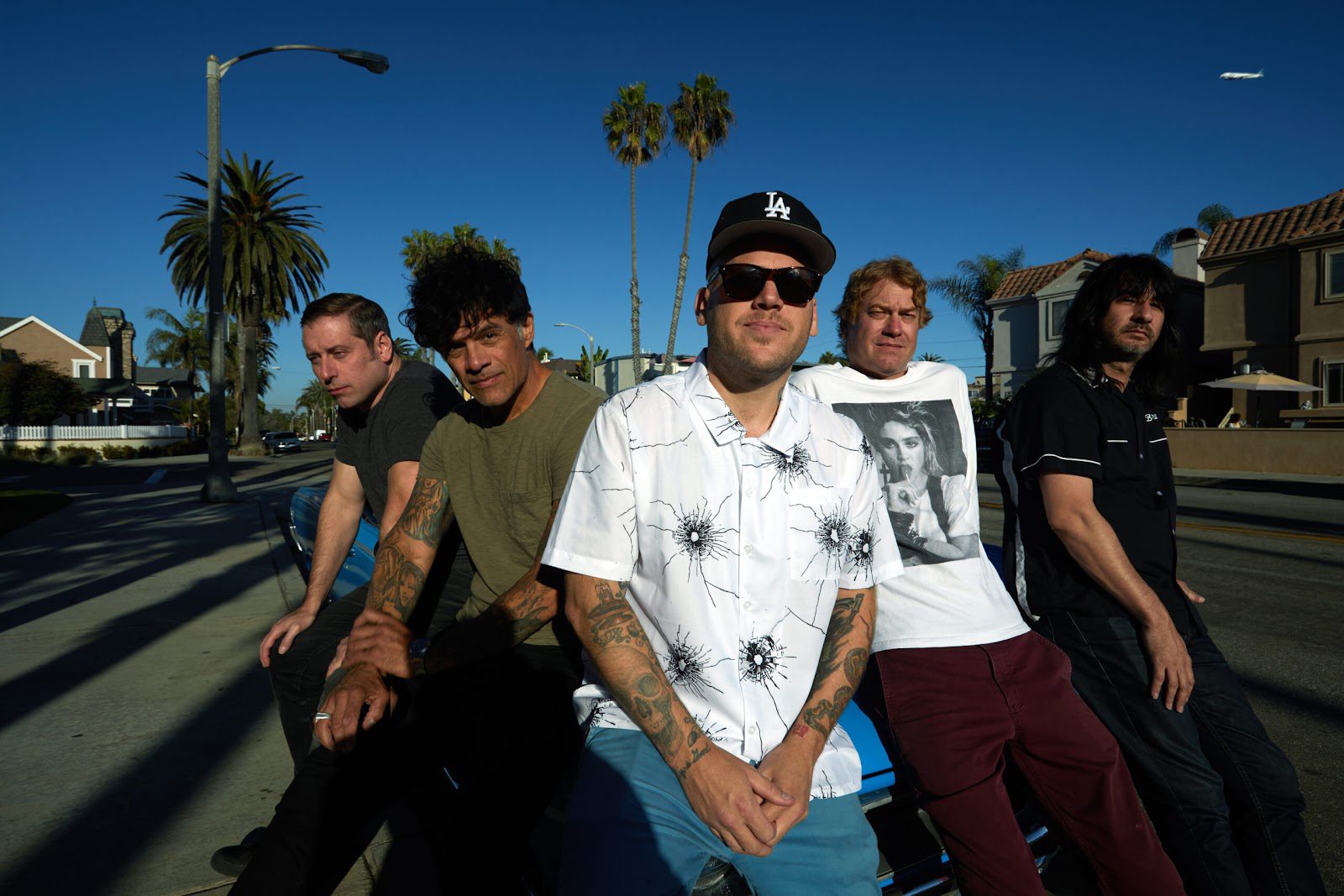
It’s easy to keep track of the band’s albums. They have four full-length records with simple names: The Bronx I, The Bronx II, The Bronx III, and The Bronx IV. They also released a limited edition called Bats! and two EPs: La Muerte Viva and Wichita & Shock. Another live album, Live At The Annandale, was recorded at a hotel in Sydney.
The Bronx also have three albums under the name of their alter-ego band, Mariachi El Bronx. They didn’t overthink the titles either, releasing all three under the same name: Mariachi El Bronx (in 2009, 2013, and 2014). The style of these records was a sharp departure from the main band’s punk releases, with mariachi taking center stage.
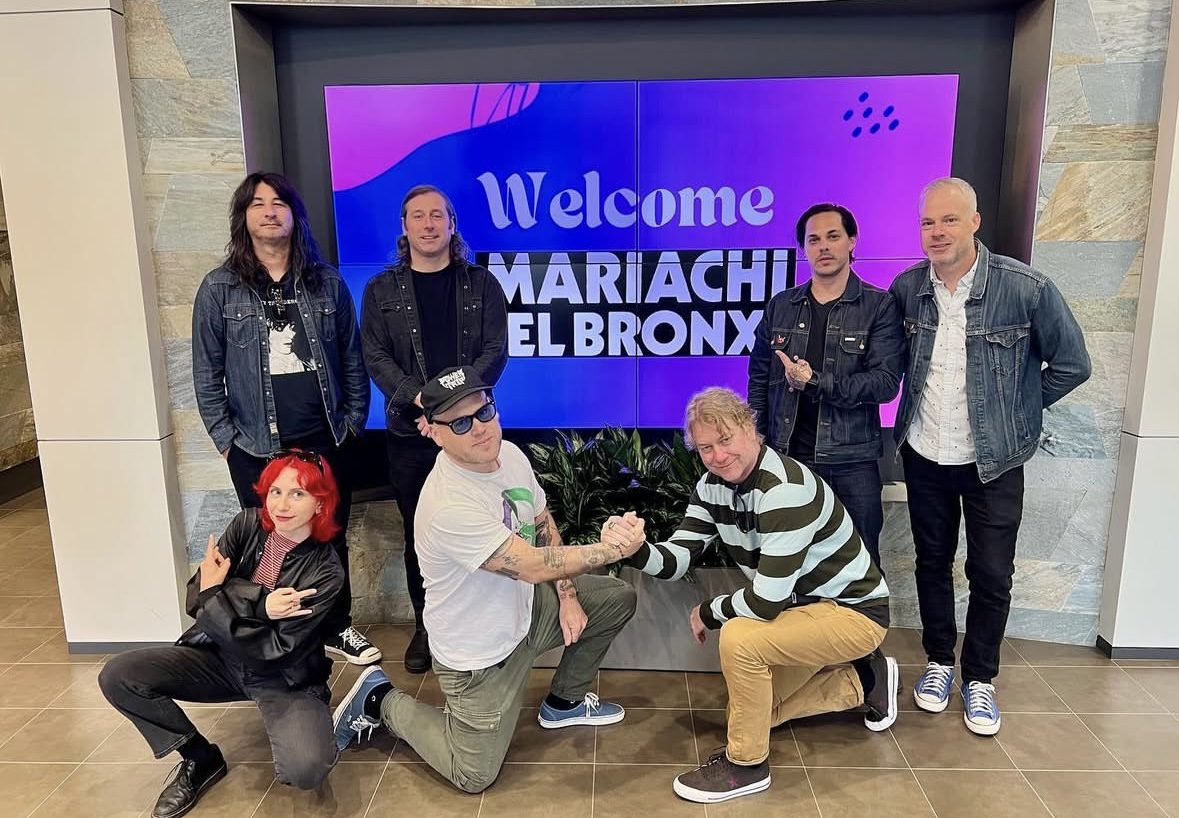
“When people heard about what we were doing, they assumed it was going to be terrible, even bordering on racist. They thought we were idiots who should stick to punk rock. But when the first Mariachi album started to take shape, we became more and more aware that it was going to blow a lot of people away. And it did. We’ve always created music from love; we’re not a revenge band—but at the same time, when people doubt you, it’s great to be able to prove them wrong. It was a great feeling, definitely one of the top 10 feelings in my life,” says Matt Caughthran.
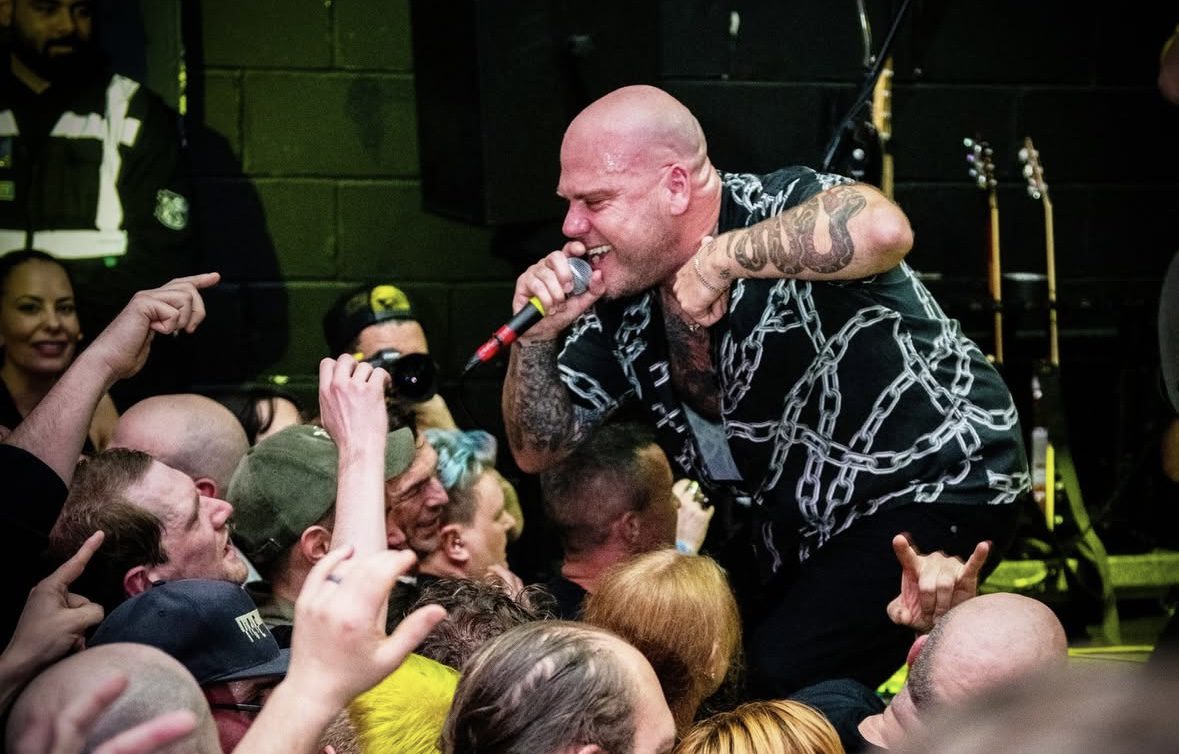
Rebellious Spirit and Explosive Expression
When punk rock first emerged in California, violence was a key characteristic. Fans at early shows by bands like The Dickies and X were constantly getting hurt, and the Los Angeles police department was on high alert whenever Black Flag and Dead Kennedys performed.
Riots, fights, and brawls were common occurrences, and drugs were rampant. The 1981 film The Decline of Western Civilization was a symbolic, shocking, and harsh portrayal of the city’s first generation of punks. Before its premiere, the trailer warned viewers: “See the film in a theater where you can’t get hurt.”
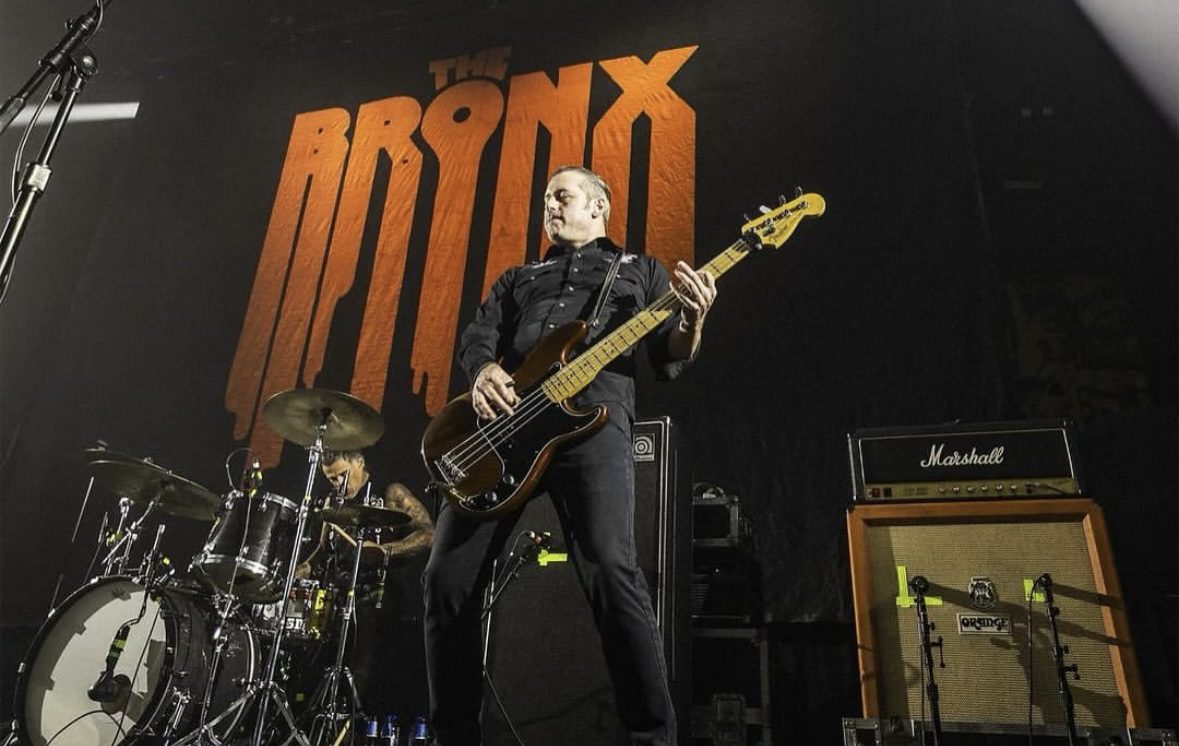
Critics say that of all the punk bands to come out of California in the last 25 years, The Bronx best captures the chaotic, rebellious spirit of the punk scene. Matt Caughthran recalls how fascinated he was as a teenager watching brawls erupt in the crowd at concerts and the adrenaline rush he got from running from the police. Throughout his life, he has tried to recreate that intense feeling of thrill, the anticipation of being overcome by a wave of emotion, and the triumph over his own fears.
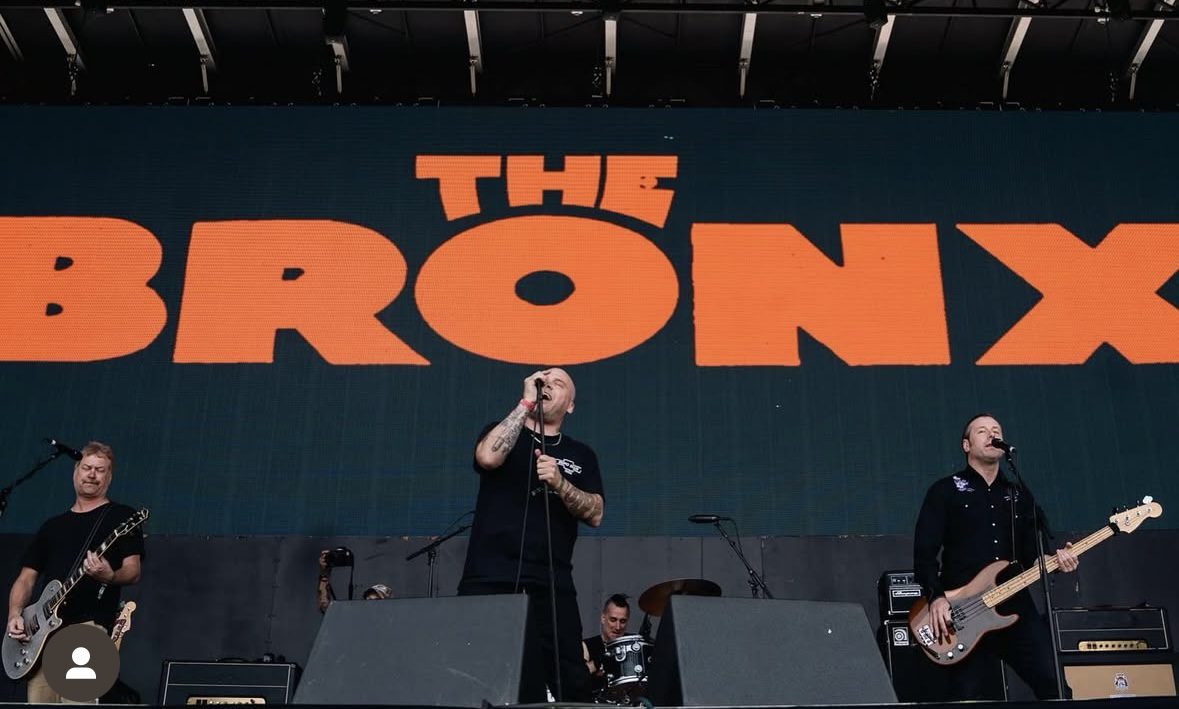
It’s worth noting that The Bronx has managed to maintain their raw passion and explosive energy for 22 years, while most other punk bands have lost their relevance and their ability to command a crowd.
Read about one of the most successful solo musicians in US history here.
The Frontman — Matt Caughthran
Matt grew up to be a self-reliant and smart kid. He made sensible decisions and, despite his criminalized surroundings, was never a “bad guy.” As a child, Matt listened to Iron Maiden, especially loving the song “2 Minutes to Midnight,” even though his mom disliked its somewhat demonic message. As he got older, his taste shifted to more grounded music with fewer fantasies and allegories. As a teenager, he needed something direct, hard-hitting, and raw—which he found in punk.
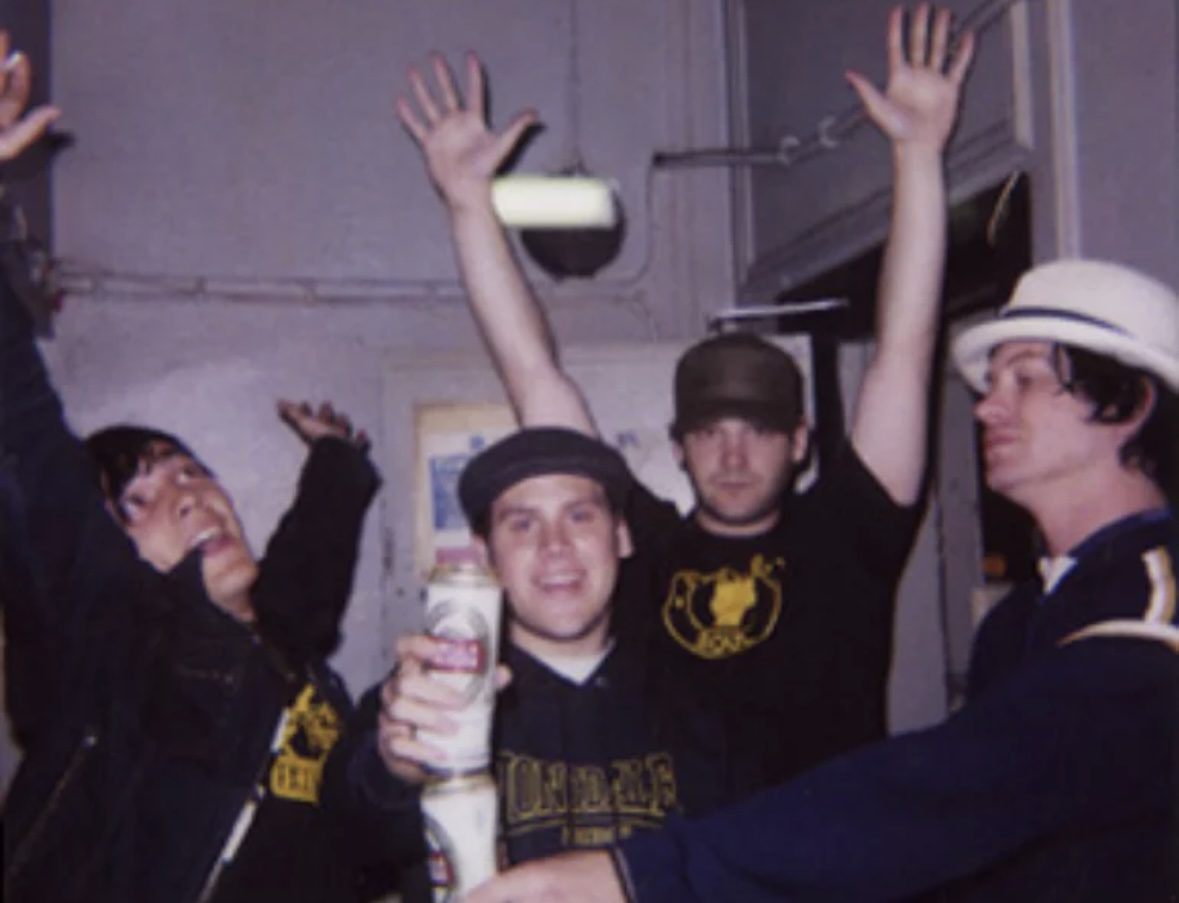
Matt was an average student but never missed an opportunity to be involved in music. He was always hanging around the rehearsal space of his school’s band, Pocketful of Lint. And one day, his moment arrived. The band’s singer got into a fight with the other members and quit. That’s when the guys remembered their “fan,” who, it turned out, had some serious vocal chops. Matt had sung at school and in a Christian choir, but he disliked being just another soloist with no room for improvisation, so he soon left the choir.
Matt Caughthran truly came into his own as a musician with The Bronx. At first, he was quite critical of himself, but by the time they were recording their second album, he realized that what he was doing was what he wanted to do for the rest of his life. When asked what his life would look like without the band, Caughthran said:
“My life would look a lot different if the band ended now than it would if the band had never existed. If it ended now, I think I could proudly look back at what we’ve accomplished. But if the band never existed, honestly, I don’t think I’d be alive. I never had the spirit or the desire to do anything I didn’t want to, and the only thing I ever wanted to do was be a musician. That was the only thing that excited me. I wouldn’t have been able to bear the weight of a meaningless existence. I know for a fact that without it, I wouldn’t be here today.”
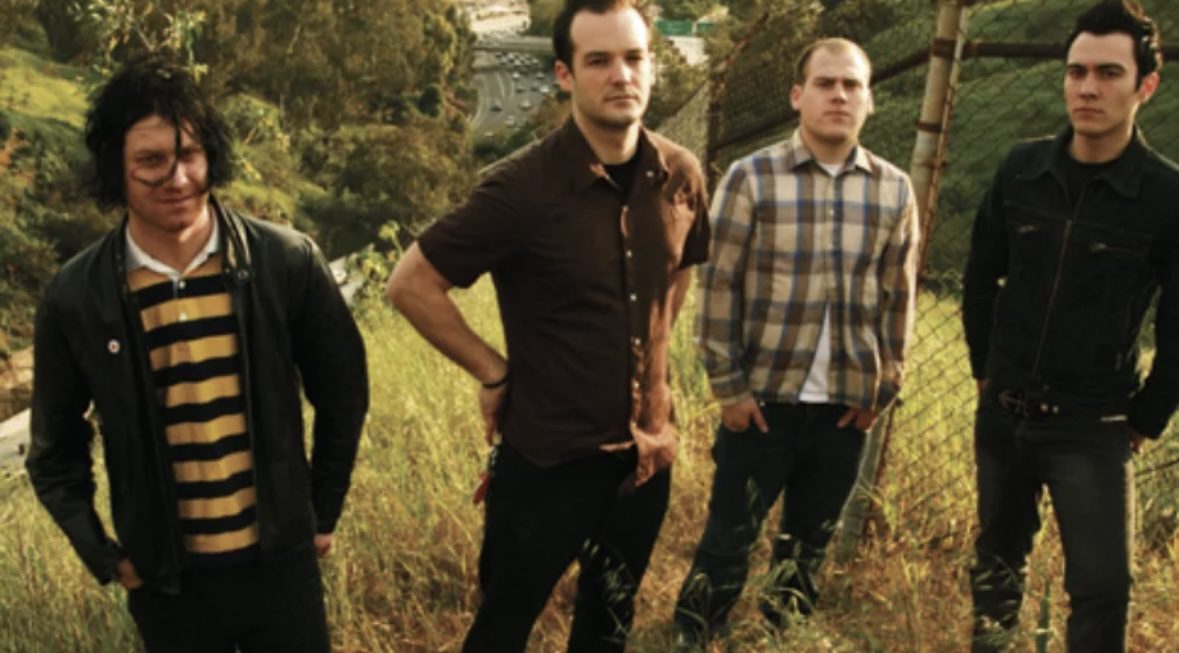
Show Must Go On
The Bronx have always stood out from other hardcore punk bands for several reasons:
- Genre fusion.
Elements of mariachi and other musical styles make their sound fresh and unique compared to traditional hardcore. This blend creates a one-of-a-kind vibe at their concerts and on their records, setting them apart from many other hardcore punk bands that stick to a rigid punk sound.
- Melody and song structure.
The Bronx sometimes incorporates more melodic elements and uses more complex song structures, a contrast to the short, aggressive tracks common in traditional punk.
- Lyrical themes.
While The Bronx’s lyrics often touch on social and political issues, they also explore personal and emotional aspects of life, making their songwriting more layered than other hardcore bands that tend to focus on anarchy and protest.
Experts believe this is the secret to The Bronx’s success and longevity.
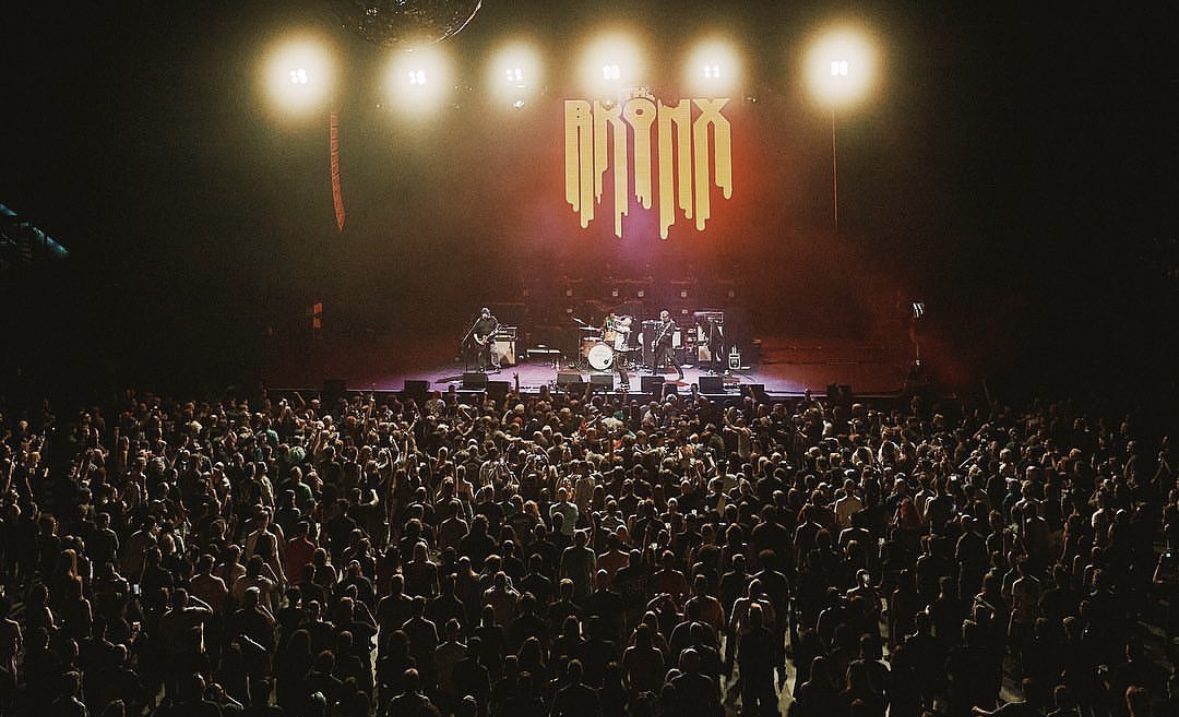
The musicians continue to perform, even though most of them have other jobs or businesses. For example, Matt Caughthran founded a publishing company called Stolen Tuxedo, where he works in his free time between tours and concerts.
The Bronx’s most recent major event was the farewell tour for Sum 41. The Canadian pop-punk heroes crossed the ocean one last time to say goodbye to thousands of fans in October and November 2024. To make these shows truly unforgettable, they brought along legendary bands The Bronx and Neck Deep.
In December, The Bronx has three announced shows in Los Angeles, San Francisco, and Solana Beach. It’s clear the guys have no intention of slowing down and will continue to thrill their fans with their music.
Read the story of one of the most successful solo musicians in US history here.