She was a multifaceted personality—an actress, playwright, screenwriter, activist, poet, and journalist. Ruby Dee gained widespread fame for her role in the film A Raisin in the Sun. She also earned recognition for her active involvement in public affairs alongside her husband, Ossie Davis. Despite her delicate appearance, Ruby was distinguished by her sharp mind, grace, and deep emotionality. Read on bronx-trend.com for more about the life and career of this incredible woman.
From a Girl in Harlem to a Star of Stage and Screen
Ruby Ann Wallace, who entered history under the name Ruby Dee, was born on October 27, 1922, in Cleveland, but her true development took place in New York, where her family moved. Her childhood in Harlem, surrounded by art and culture, became a powerful inspiration for the future actress. She attended public schools and later Hunter College in the Bronx, where she graduated in 1945 with a degree in Romance Languages. At the same time, Ruby was discovering the world of the stage—first through student productions, and later through the American Negro Theater, which fostered an entire generation of artists, including Sidney Poitier and Harry Belafonte.
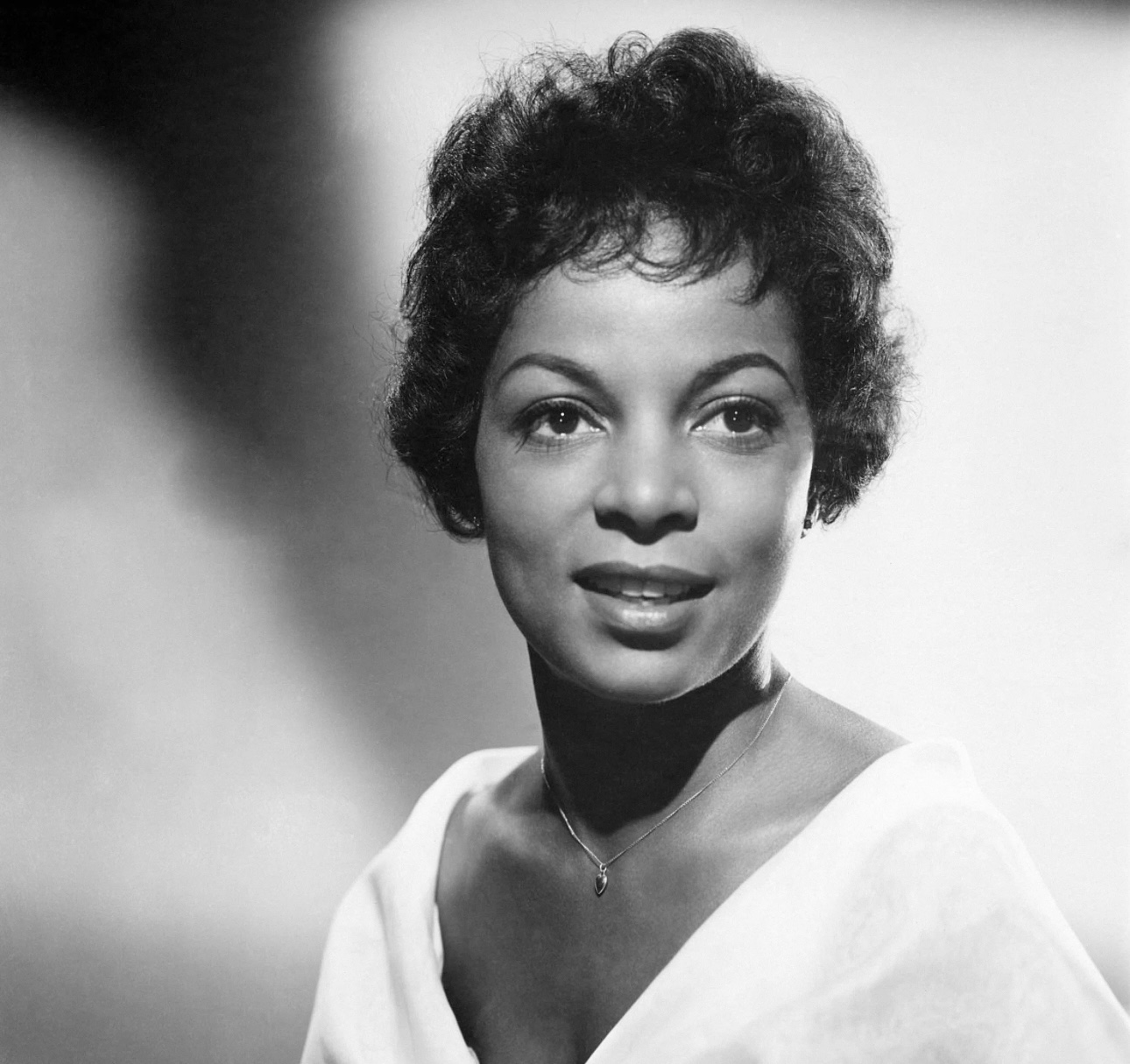
Ruby’s stage debut came in 1943 on Broadway in the production of South Pacific. She quickly won the audience’s affection, and her real breakthrough came in 1946 with the lead role in Eugene O’Neill’s play Anna Lucasta. That same year, the actress met Ossie Davis, who became her partner not only on stage but in life—they married two years later and eventually raised three children.
In parallel with the theater, Dee tried her hand at film. She debuted in the 1946 film That Man of Mine, and by 1950, she gained broad popularity for her role as the legendary athlete’s wife in The Jackie Robinson Story. Critics highly praised her restrained and sincere performance, hailing the actress as a powerful new voice in cinema.
The Actress’s Stardom
Ruby Dee burst onto Broadway in 1959, landing the lead role of Ruth Younger in Lorraine Hansberry’s play A Raisin in the Sun. This story about the struggle of an African-American family became a landmark event, not only for her but for the entire theater—it was the first play by a Black female author ever produced on Broadway.
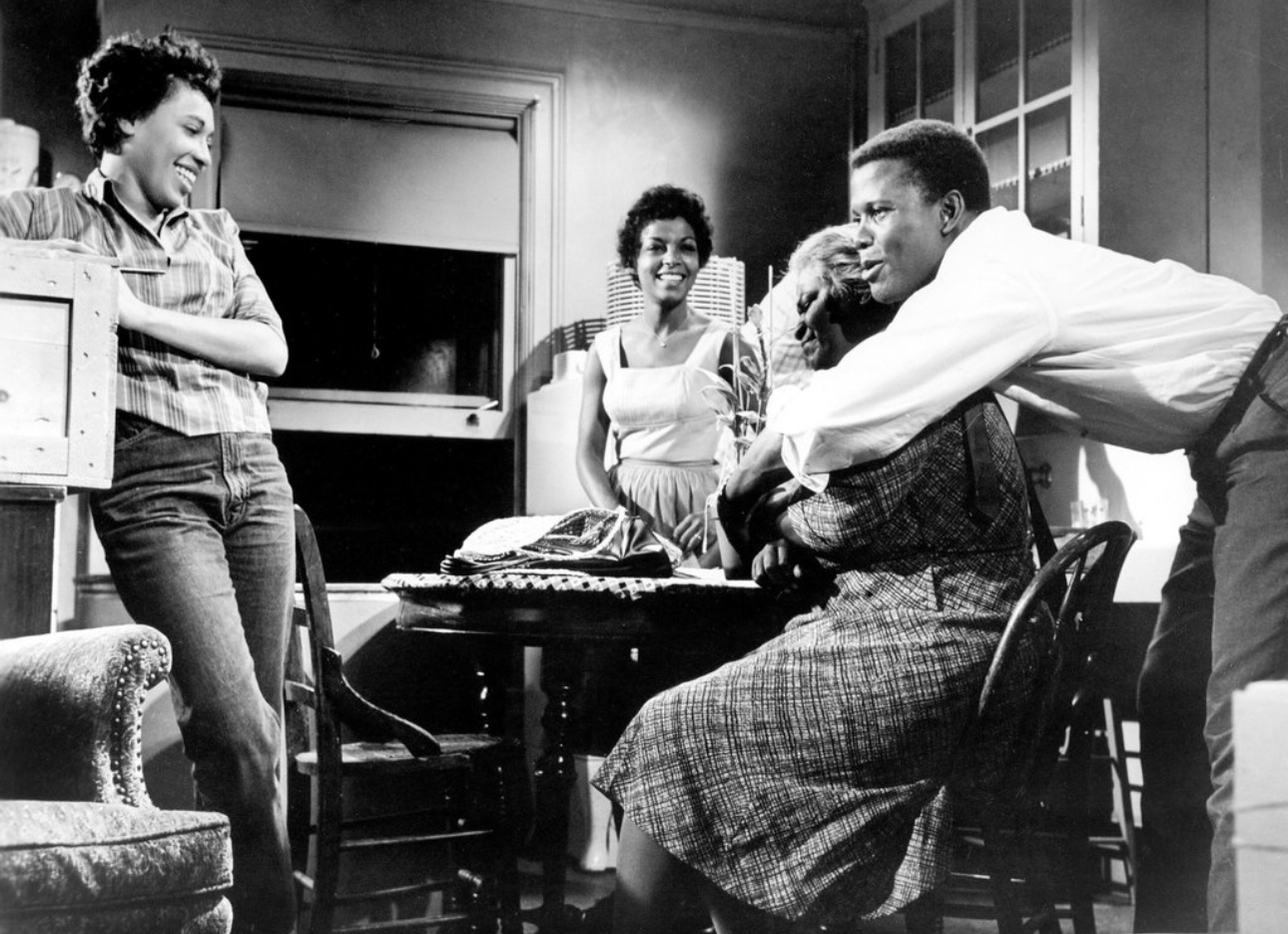
Alongside Sidney Poitier and Louis Gossett Jr., Dee created a character that struck audiences with her depth and sincerity. Two years later, she reprised the role in the film adaptation, cementing her success on the big screen.
Concurrent with her acting career, Dee actively collaborated with her husband, Ossie Davis. Together, they worked on Ossie’s play, “Purlie Victorious,” and its film adaptation, Gone Are the Days!, in 1963, blending their talent and passion. In 1968, Dee expanded her creative horizons, co-writing the screenplay and acting in the drama Up Tight!. On television, she appeared in the popular series Peyton Place, and later, with her husband, she created her own public television program, With Ossie & Ruby.
The 1970s and 1980s were a period of star roles and recognition for Ruby Dee: she won Drama Desk and Obie Awards for Boesman and Lena, received an Emmy nomination for the miniseries Roots: The Next Generations, and engaged in creative projects featuring her own music and lyrics, which she performed with her son, Guy. During these years, Dee played Zora Neale Hurston in the play Zora is My Name and worked with director Spike Lee on the films Do the Right Thing (1989) and Jungle Fever (1991).
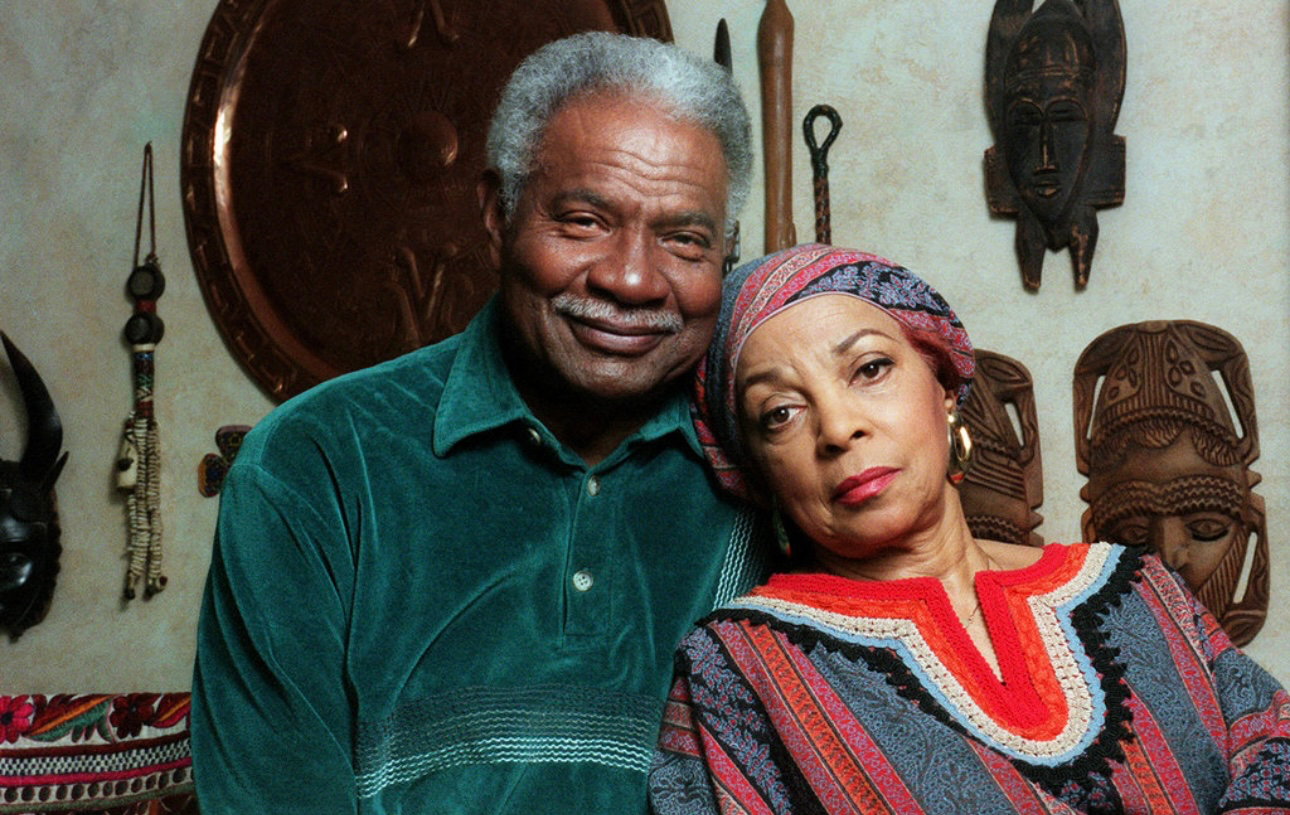
Her television work was also impressive. In 1990, Dee won an Emmy Award for the film Decoration Day, appeared in Stephen King’s miniseries The Stand, and collaborated with Bill Cosby in both film and the animated series Little Bill. Together with Ossie, they received the National Medal of Arts from President Clinton, and in 1998, they published the book With Ossie and Ruby: In This Life Together, which revealed their life and work with humor and warmth.
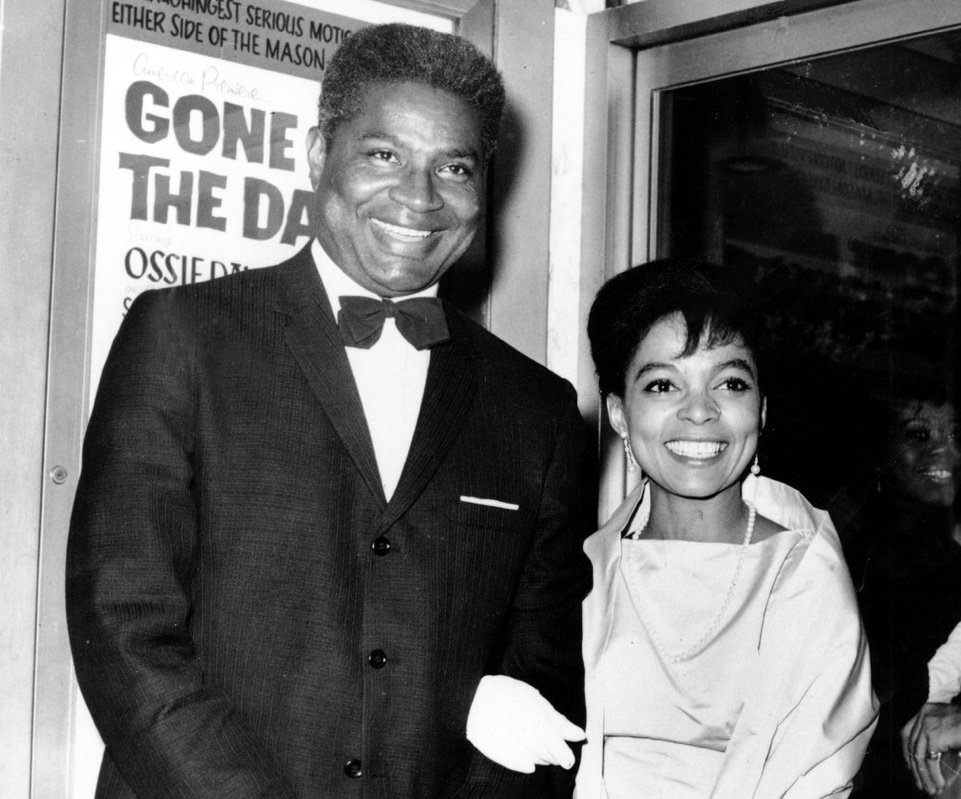
In the new millennium, Dee remained active: she narrated stories in the HBO film Freeing The Mind, received honorary awards, and performed her one-woman show, My One Good Nerve.
The Voice of Justice
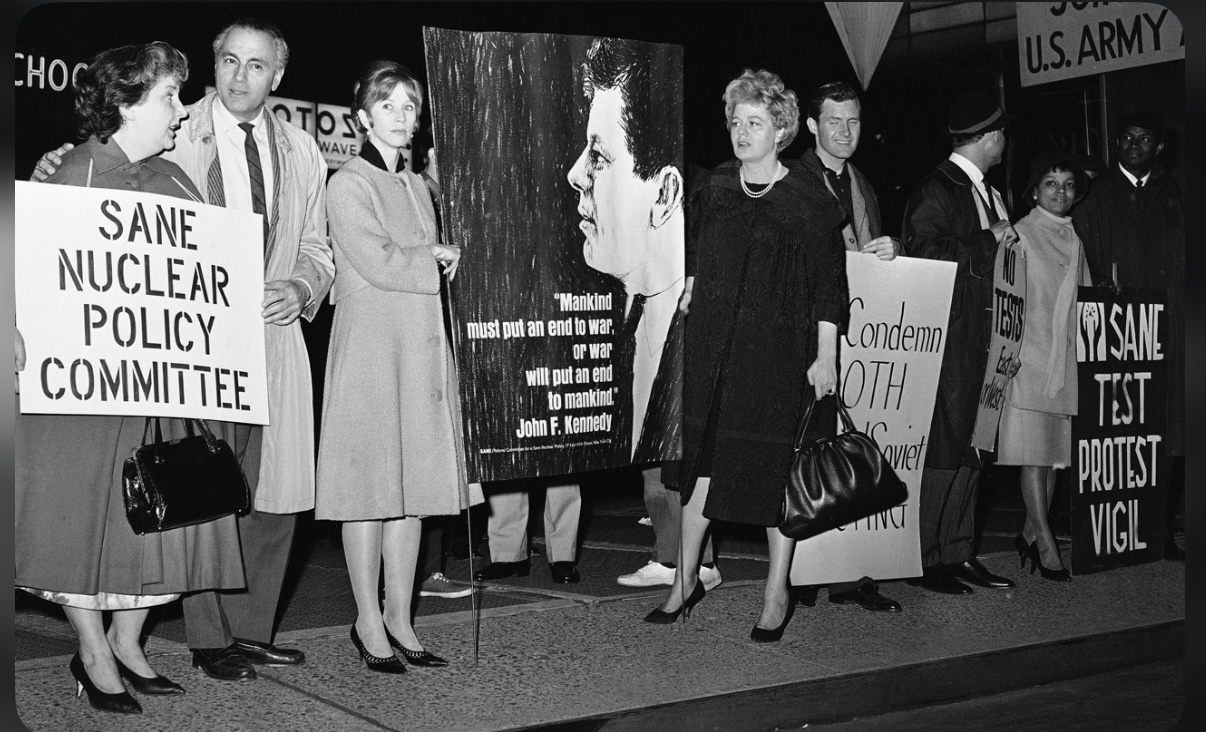
Ruby Dee was not only a legend of the stage and screen but also a true human rights activist. For decades, she and her husband, Ossie Davis, stood on the front lines of the Civil Rights Movement. Dee was a member of the Congress of Racial Equality (CORE), the NAACP, the Student Nonviolent Coordinating Committee, the Delta Sigma Theta sorority, and the Southern Christian Leadership Conference. For over 40 years, she actively worked with the Harlem Writers Guild, using art to fight stereotypes and injustice.
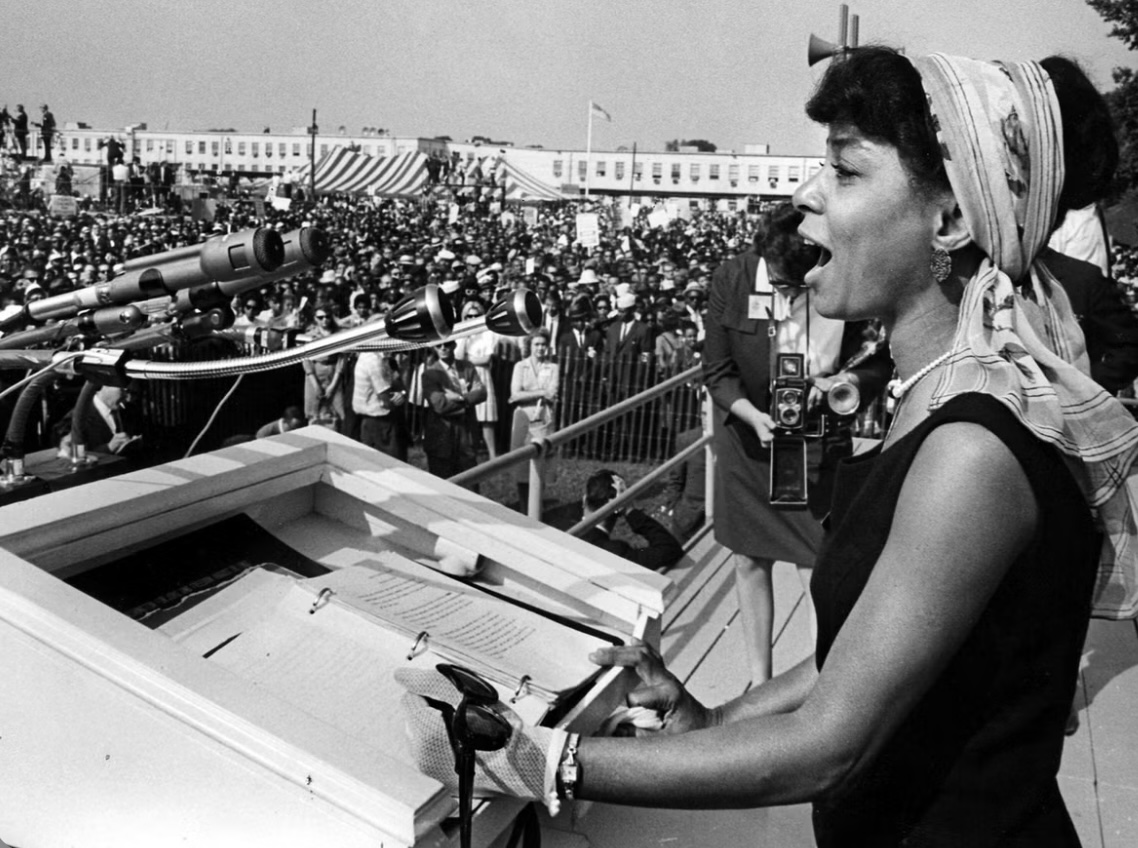
In 1963, Dee emceed the March on Washington for Jobs and Freedom, where Martin Luther King Jr.delivered his famous “I Have a Dream” speech. She was a close friend and ally of both King and Malcolm X; Ossie Davis even delivered the eulogy at X’s funeral in 1965. In 1970, Dee received the Frederick Douglass Award from the New York Urban League, and in 1999, she and Ossie were arrested during a protest against the shooting of Amadou Diallo by the NYPD.
Dee’s activism did not fade with age. In 2003, she signed an open proclamation against the U.S. invasion of Iraq, joining a community of well-known public figures and intellectuals, including Robert Altman, Noam Chomsky, and Susan Sarandon.
For her tireless fight for freedom and equality, Dee was honored with numerous awards. In 2005, she received the National Civil Rights Museum’s Lifetime Achievement Award in Memphis. Her contributions are marked on the New Rochelle Walk of Fame and the Westchester County Women’s Hall of Fame, alongside names like Hillary Clinton and Nita Lowey. In 2009, Princeton University awarded her an honorary Doctor of Fine Arts degree.
Dee’s activism was constant and sincere. As Kenneth Chamberlain Jr. noted, she didn’t just talk about justice; she acted, supporting people in their struggle for rights and shaping the political and social environment around her.
Life After Loss and Final Roles
In 2005, Ruby Dee experienced a massive personal tragedy—the sudden death of her husband, Ossie Davis, while he was filming in New Zealand. Despite her grief, she continued to work and create, demonstrating incredible strength of spirit. That same year, she won a Grammy Award for the audio version of their joint book. Two years later, Dee stunned the world with a new role in Ridley Scott’s film American Gangster, where she played the mother of Frank Lucas, portrayed by Denzel Washington. Her performance earned her an Academy Award nomination and a Screen Actors Guild Award for Best Supporting Actress. Even at 85, Dee continued to impress with her acting skill, becoming one of the oldest nominees for a prestigious film award.
Ruby Dee was not limited to film. She performed as a narrator in musical productions, participated in choral and orchestral projects, including the celebration of Abraham Lincoln’s 200th birthday, and voiced documentaries and feature films. Her final film role was in the Eddie Murphy comedy A Thousand Words, where she played the protagonist’s mother.
Ruby Dee passed away on June 11, 2014, at the age of 91, leaving behind a multifaceted legacy as an actress, activist, and mentor. Her ashes are kept in a single urn with Ossie Davis under the inscription “In This Life Together.”
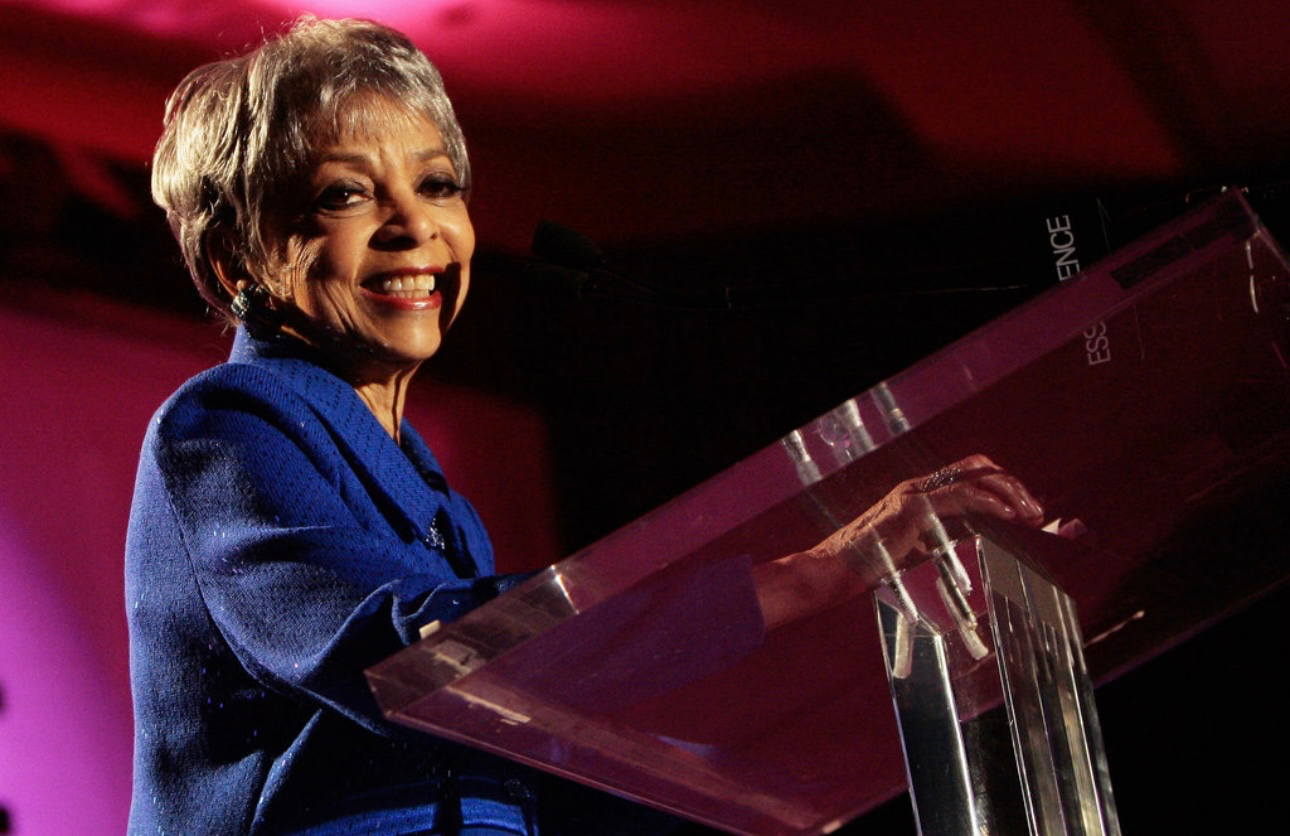
Her life is an example that true courage combines art and activism, inspiring generations of fighters for equality and freedom.