


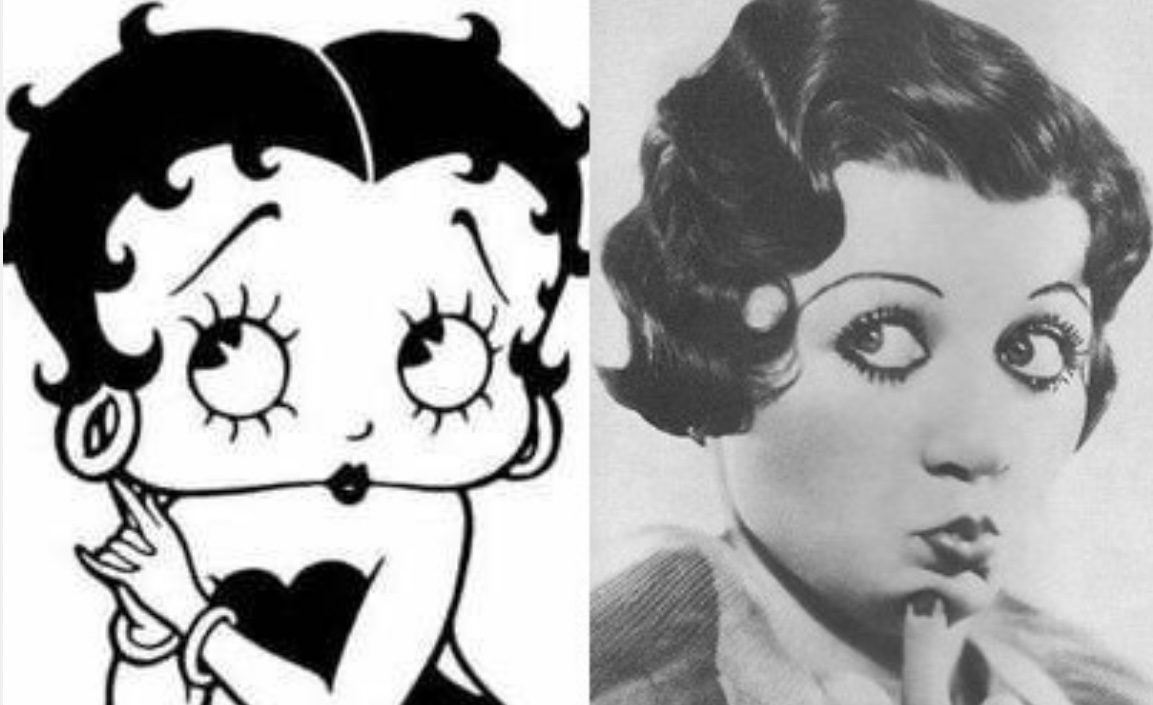
She was a star of commercials, Woody Allen’s “Jewish mother,” and the voice behind some of the most iconic animated female characters of the last century: the flirty Betty Boop and Popeye the Sailor’s faithful girlfriend, Olive Oyl. Today, we’ll get to know Mae Questel, a Bronx native who made history as the real-life inspiration for a beloved cartoon heroine. More details on bronx-trend.
A Talented Kid
Mae Questel was born in the Bronx on September 13, 1908, to Simon and Frida, Orthodox Jewish parents who had fled the Russian Empire for the United States. Simon had a small tailor shop. Young Mae often went to her father’s work, watched him, helped out, and entertained the customers. The girl was very talented and smart. She knew English, Polish, French, German, and Spanish, sang beautifully, and performed little skits to entice passersby to visit her father’s shop.
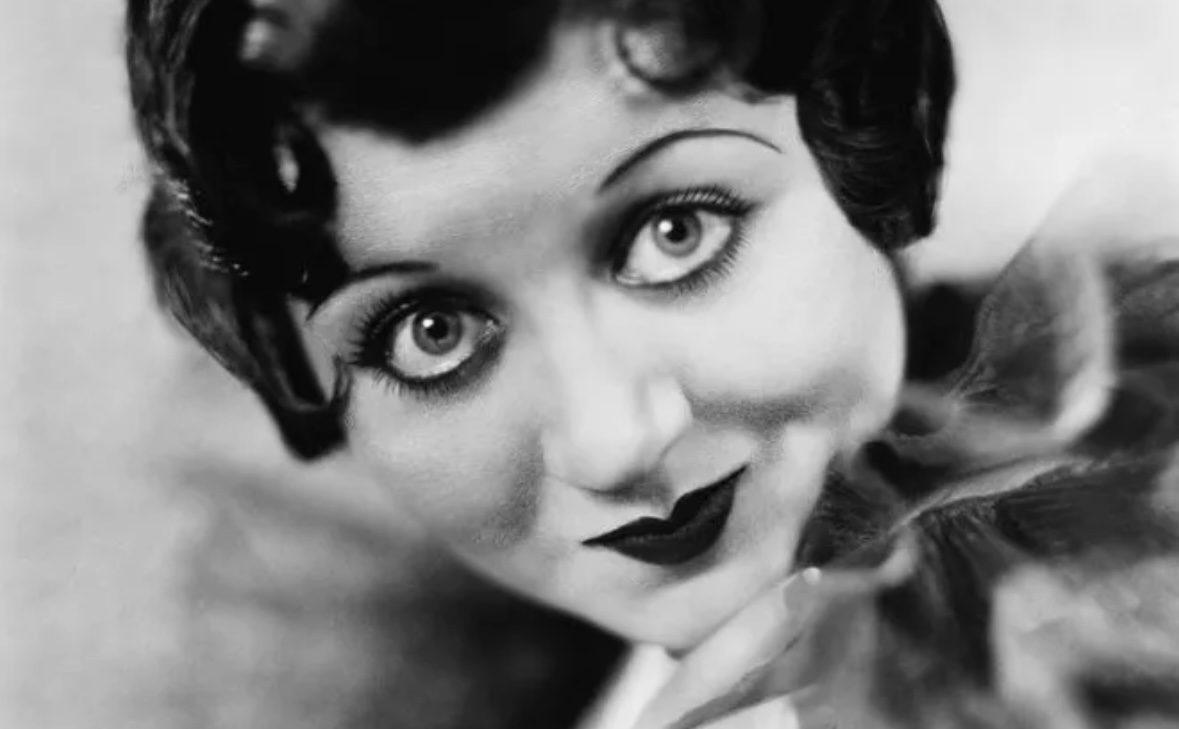
Mae had an interesting, unique look: blue eyes and dark hair with a reddish tint. When guests came over, everyone eagerly awaited what little Mae had prepared for them. Her impressions of relatives and celebrities were especially popular. Frida had always dreamed of becoming an actress, so she encouraged her daughter, affectionately calling her “my little monkey.” But her father, grandfather, and grandmother were adamantly against a career in acting or any other creative profession. With their more traditional and religious views, they saw it all as mere fun and childish mischief.
But in 1918, Mae Questel landed her first real role in the Broadway production Fathers. It was then that the 10-year-old girl realized that, no matter what, she would pursue her dream. In 1922, she enrolled in the prestigious Morris High School, and a year later, she began taking acting and singing classes at the Theatre Guild school. Her relatives continued to pressure Mae and urged her to change her passion. She couldn’t bear to disappoint her family and left the theater school, but she never gave up the hope and dream of becoming famous.
A Lucky Break
You can’t escape your destiny. One day, friends who knew about Mae’s talent took her to a contest for look-alikes of the singer Helen Kane. Questel initially refused, knowing her family wouldn’t approve, but she went anyway. In preparation, Mae had only observed Helen a few times, studying her expressions, voice, mannerisms, and body language. On December 31, 1929, the New York Morning Telegraph ran a story: “Mae Questel Wins Helen Kane Look-Alike Contest!” Mae chose the children’s song “He’s So Unusual” for her parody.
The girl returned home with a $100 prize, an autograph from Helen Kane who had written “to my alter ego” on a postcard, and a firm belief that from then on, she would listen only to herself. This contest opened the doors for Questel to the vibrant world of animation, as well as film and commercial work. After her win, she was noticed by Max Fleischer, who invited her to her first voice acting audition.
Read about another famous modern voice actor from the Bronx in this article.
The Birth of Betty Boop
The 1930s were a time of intense rivalry in the world of animation. Walt Disney and Max Fleischer were constantly competing and fighting for the affection of young audiences. Disney created the iconic Mickey Mouse. In response, Fleischer made a strategic move by giving his characters the ability to speak. But this led to a new problem: finding voice actors. This was much harder than dubbing a film, as cartoon characters’ voices had to be unique, vibrant, captivating, and unlike the voices of ordinary people.
Fleischer bet on a new character: a poodle with human facial features and a disproportionate figure. But Max soon decided to move away from the Disney-like animal characters and tasked his artists with turning the poodle into a girl. That’s how Betty Boop was born. The last thing Fleischer couldn’t finalize was her voice. Many actresses auditioned for Betty, but Max Fleischer was never satisfied.
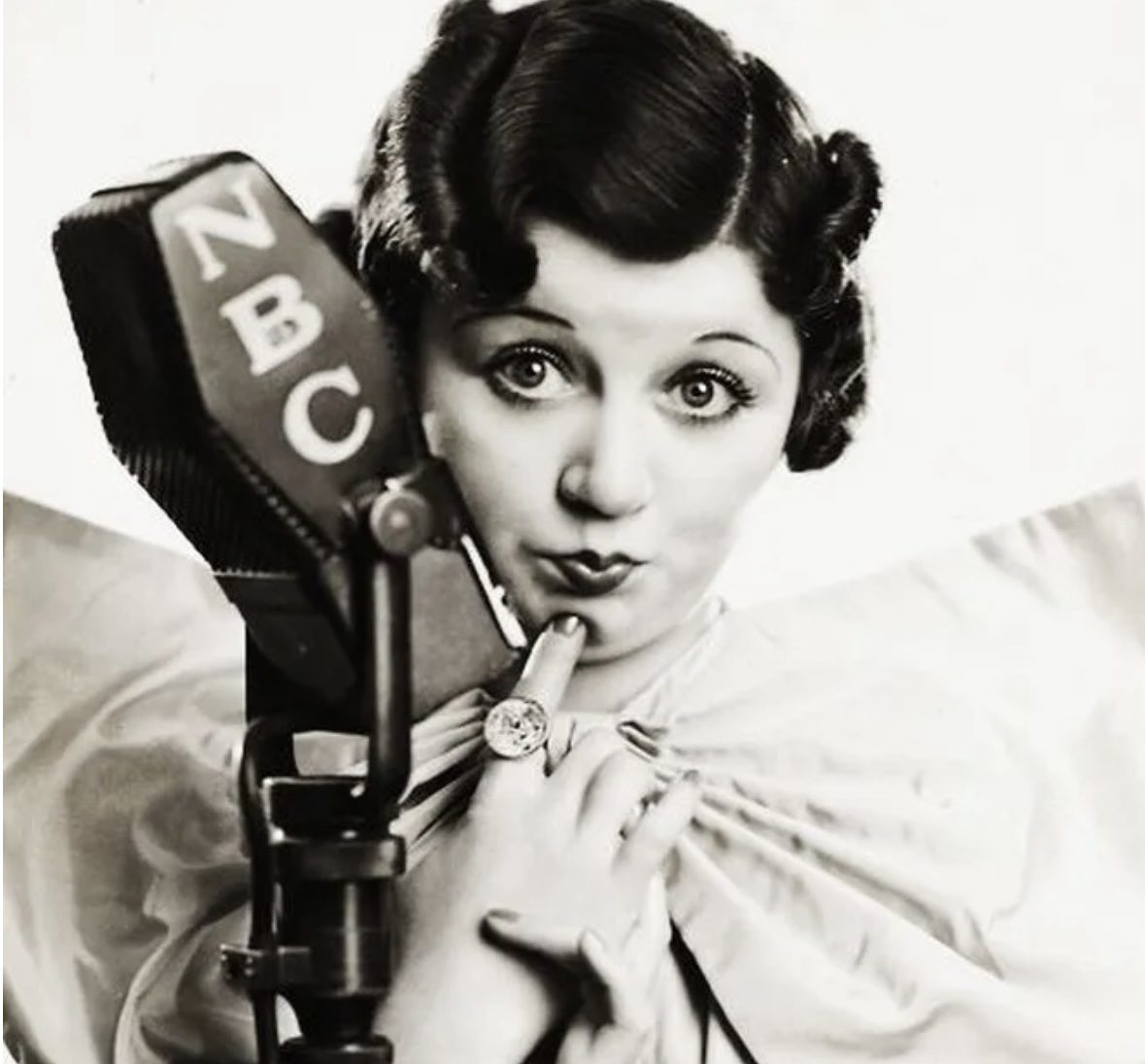
Then, Mae Questel came to an audition. At first, she was one of several actresses who voiced various lines for Betty, but starting in 1931, Mae became the sole voice of the flirty Boop.
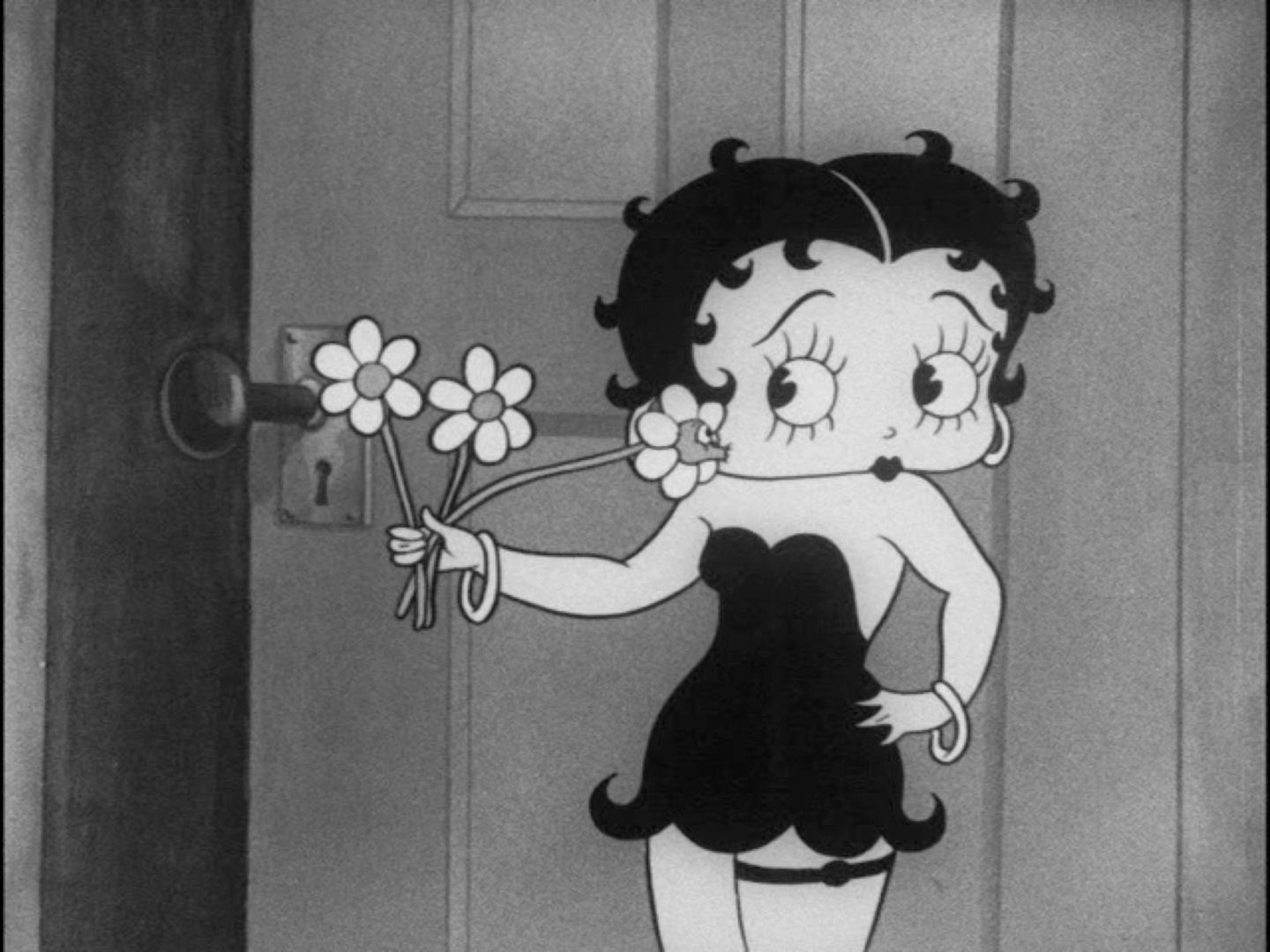
Over seven years, Questel voiced 80 Betty Boop cartoons and literally became one with her. Mae recalled: “I wasn’t just speaking for Betty; I was her. I moved like her, talked like her, and mimicked her mannerisms. It took me a long time to get out of that character and be myself again.”
Max Fleischer said that Betty had a lot of Mae in her. The artists and animators copied Questel’s facial expressions, movements, and gestures.
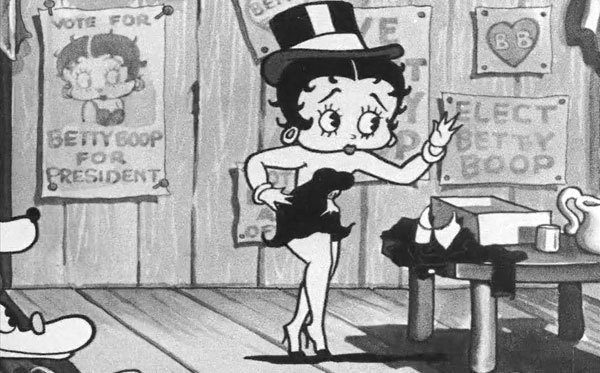
In 1988, 50 years later, Betty Boop and Mae Questel had a nostalgic reunion. The actress voiced her favorite character in the film Who Framed Roger Rabbit.
The Tireless Mae
During the Great Depression, Mae Questel became quite popular in the U.S. Her record of the legendary song “On The Good Ship Lollipop” sold an incredible two million copies.
In 1933, Mae added another iconic animated girl to her list of characters. She became the constant girlfriend of Popeye the Sailor, Olive Oyl. Although this character had nothing in common with the beautiful and seductive Betty Boop, Questel was able to organically and harmoniously convey the main traits of the character and convince directors that she was capable of any role.
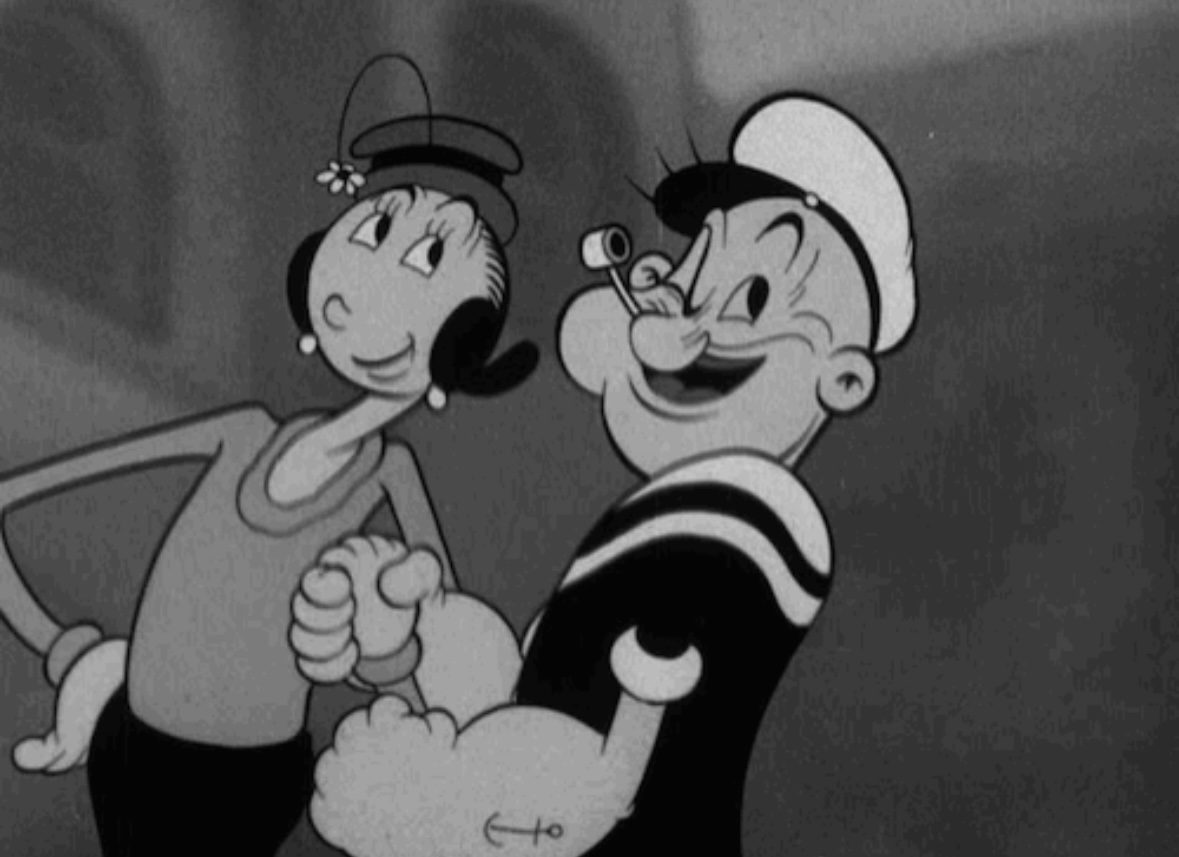
Besides Betty Boop and Olive Oyl, Questel also voiced Little Audrey and Wendy the Witch in a short animated film in the 1950s, she worked on the interactive cartoon series Winky Dink and You. In the Flintstones series, she also performed several roles in the spin-offs.
Mae was always in high demand and had a ton of work. “My schedule was crazy: I was voicing cartoons, acting in Broadway productions, and working on the radio,” the actress recalled. “The secretary on The Jack Pearl Show, Isabel in The Lost World, the birds and trees rustling leaves in nature programs—that was all me. I’d switch from Betty to Olive, to kids, to old people and back again, and then rush home just to be silent. Luckily, my husband Leo understood that I would get a divorce before I quit work, and he didn’t pressure me.”
Even in her later years, she appeared in TV shows and commercials. For her role as Aunt Bluebell, who praised Scott Towels paper towels, she was even nicknamed the “queen of the commercial break.”
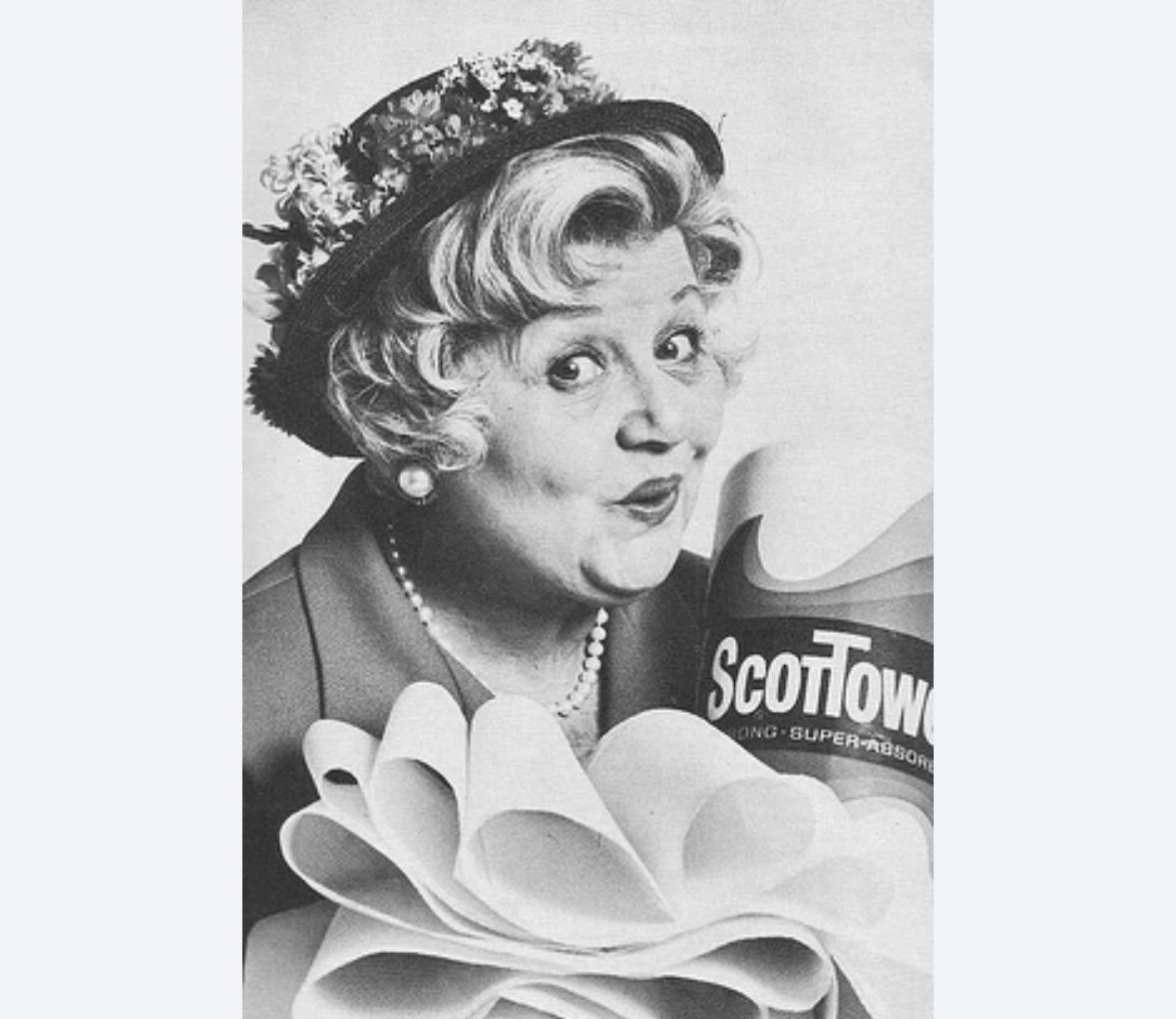
Joking about her busy life, the actress once said: “First I had one husband and two children, and now I have a second husband and three grandchildren. You ask why I’m still working? I’m just escaping from home!”
Stepping Out of the Shadows
Mae Questel never sought big film roles, believing her greatest strength was her voice. But she did have to appear in person for audiences, not just as a voiceover. In the ’60s, Mae appeared in the comedies It’s Only Money and Funny Girl, and in the late ’80s, in Woody Allen’s New York Stories, where she played a “typical Jewish mother.” Questel also played small roles in the musical Justice (1931), The Doctor (1932), an episode of the crime drama Naked City (1962), and the film Hot Resort (1985).
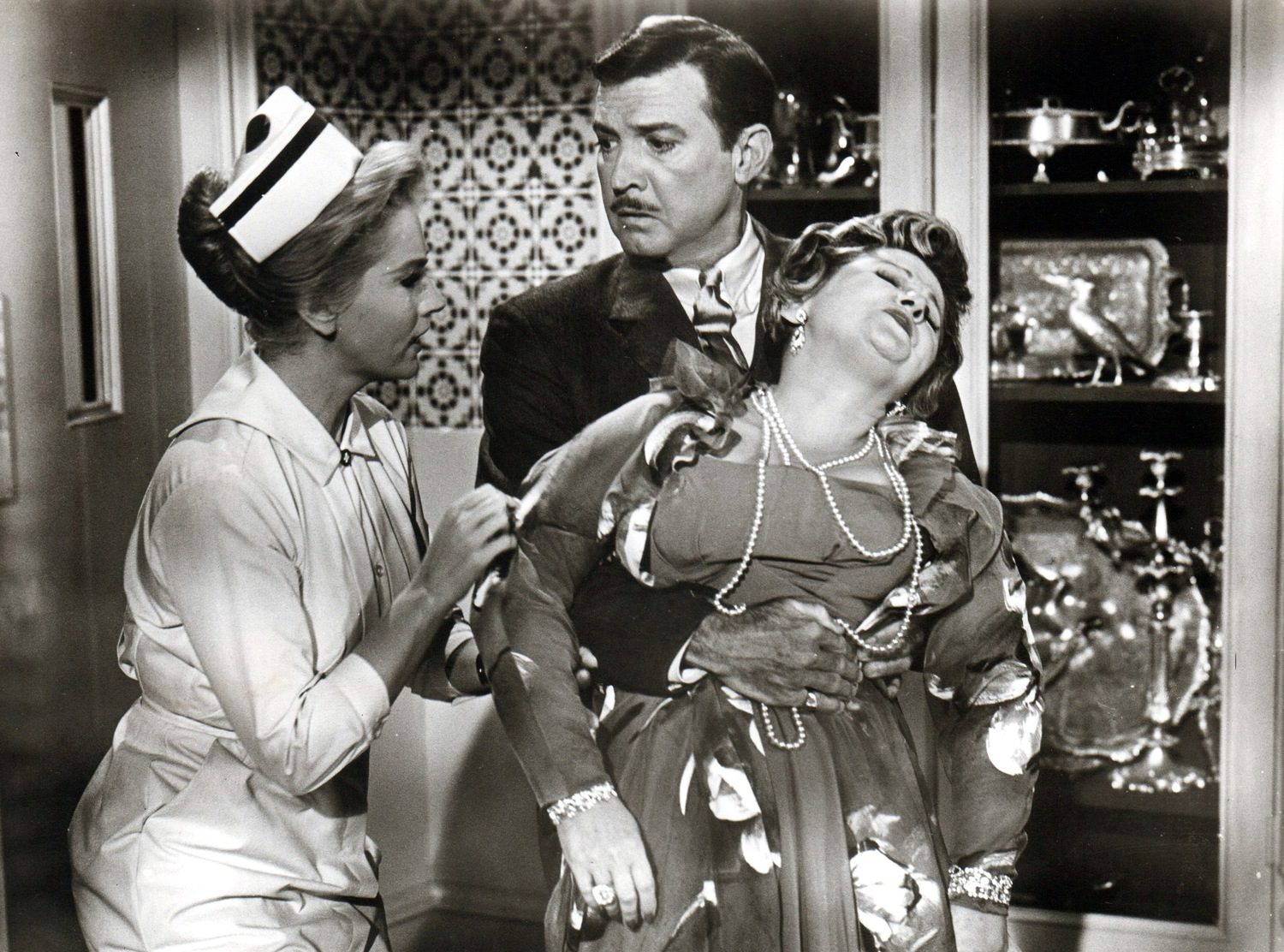
The star of commercials and animation also performed on Broadway in four productions:
- Doctor Social (1948);
- A Majority of One (1959);
- Enter Laughing (1963);
- Bajour (1964).
Final Role
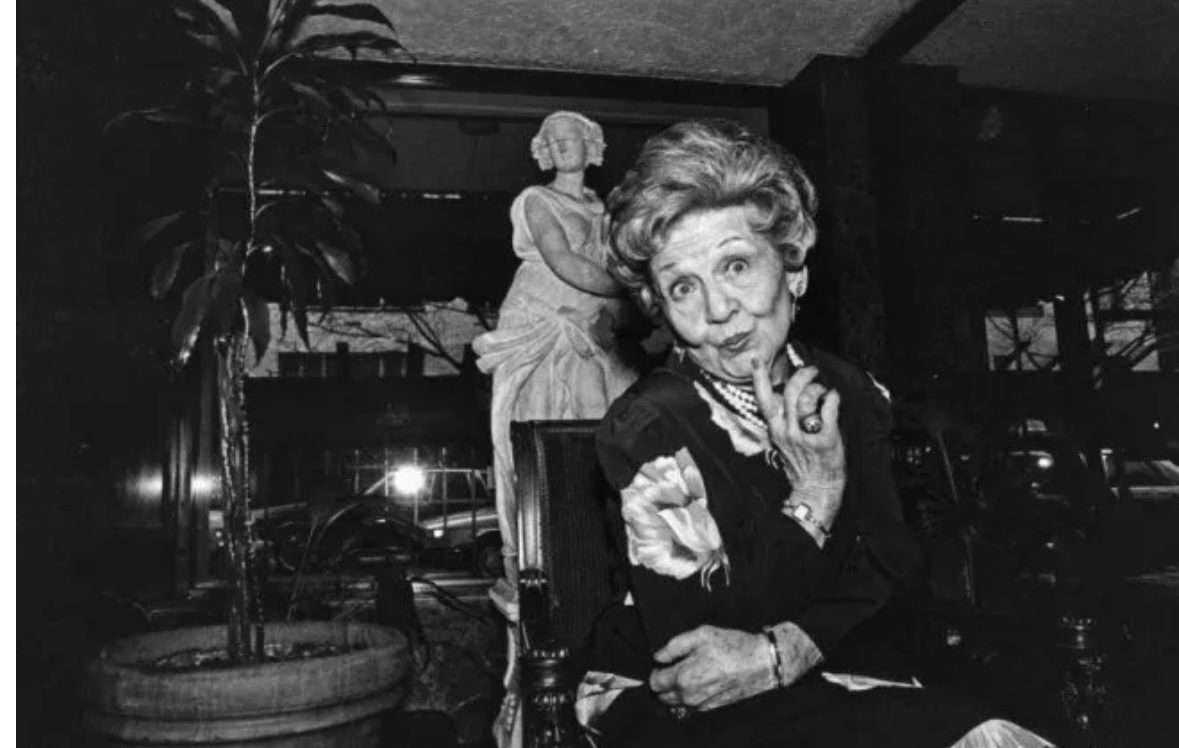
At the 1989 premiere of the film Hollywood Mystery in New York, Mae Questel met Melissa Fahn, the new voice of Betty Boop. The actress gave her blessing to her younger colleague and shared her experience working with the character.
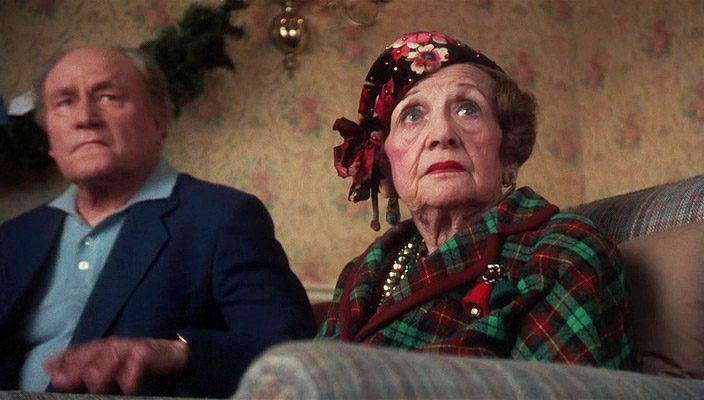
That same year, Mae appeared as Aunt Bethany in the film National Lampoon’s Christmas Vacation. She played an elderly woman with Alzheimer’s, so she often spoke off-script. It was difficult for Questel’s family to watch the film, as they knew the actress was already showing the first signs of dementia, which made the character’s portrayal anything but funny to them.
When Mae Questel appeared at a party celebrating Grim Natwick’s 100th birthday in 1990, journalists showered the actress with questions. But Mae didn’t answer, only smiled modestly. Sadly, the disease had almost completely erased her memory. That evening was the last time Questel was seen in public. The next mention of the actress in the press came eight years later—on the day of her death on January 4, 1998.