She is a woman of the stage, a singer with an exceptional voice, and an actress capable of conveying the subtlest shades of emotion. Her career has been a journey through the most famous Broadway musicals. But Natalie Toro’s talent isn’t limited to the theater stage. She has successfully combined her love for classics with personal stories, creating music imbued with sincerity, depth, and warmth. Her solo albums capture the sound of Broadway, the scent of Christmas, and an intimate dialogue with the listener. Read on bronx-trend.com for more about this exceptional singing actress.
The Show Must Go On
Natalie Toro was born in the Bronx, where her parents had moved from Puerto Rico. Her life was inextricably linked to the stage from an early age. The first time the girl performed publicly was at the legendary “Amateur Night” at the Apollo Theater when she was just five years old. It was then that little Natalie first felt the true magic of the stage, and she was never able to leave that path.
Toro’s first role in school was the Scarecrow in The Wizard of Oz. It was during this time that an event happened that defined her character. Before going on stage, her fingers were caught in a heavy metal door. Despite the pain and the blood, Natalie walked out to the audience, shouting a line that wasn’t in the script. This became a symbol of her life’s motto—the show must always go on.
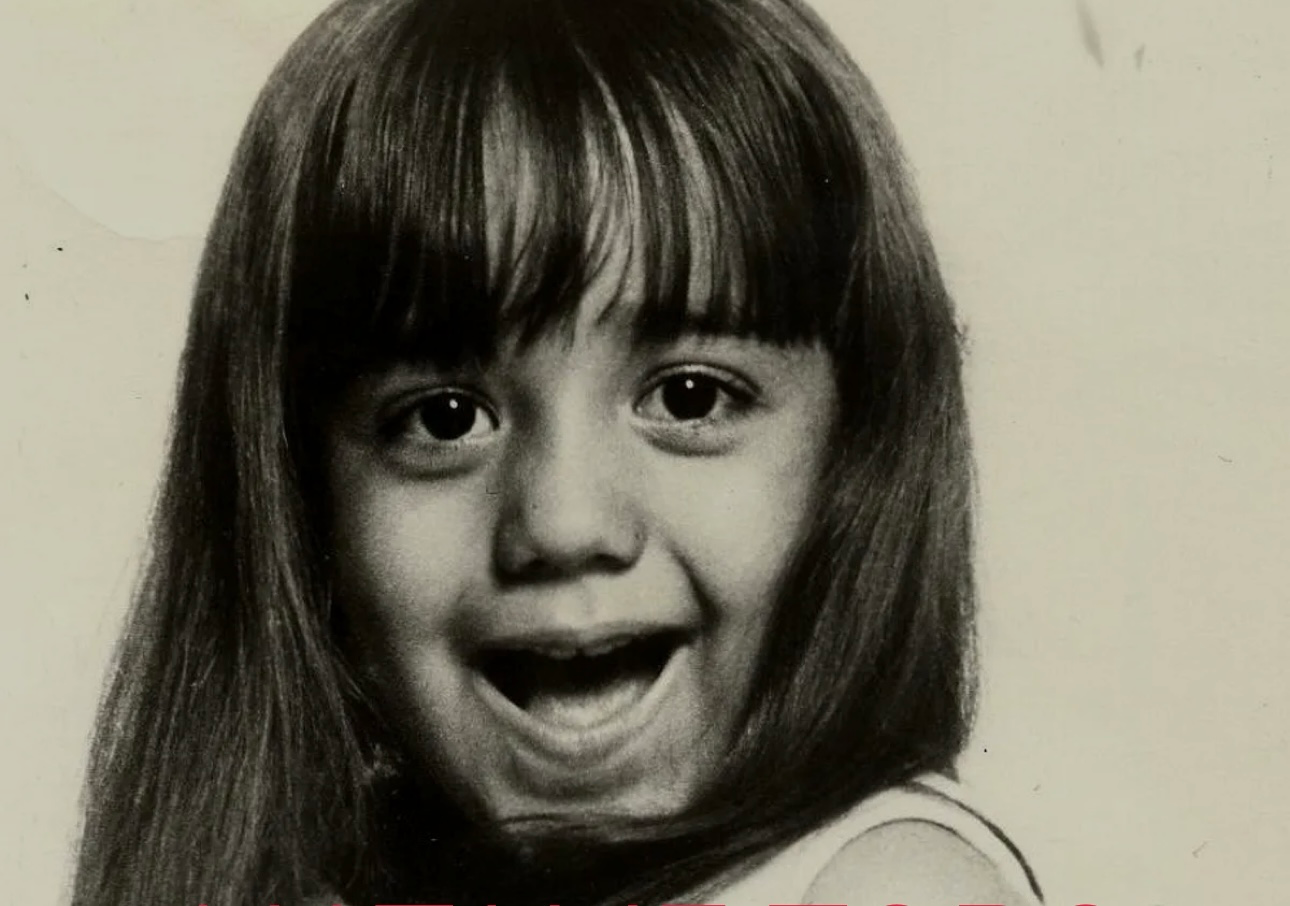
From childhood, Toro studied music intensely. Every Saturday, she attended the Manhattan School of Music, where she studied piano, voice, opera, and theory. Natalie sang in school talent shows and participated in the operas The Child and the Miracles, Paul Bunyan, and The Mighty Casey. She continued her education at the High School of Music and Art, and later at the Boston Conservatory of Music, where she earned a bachelor’s degree in musical theater.
Many mentors influenced her development. Don Hecht discovered her talent in elementary school orchestra, and she later even conducted the band at Lincoln Center at the age of ten. Vocal therapist Joan Laderhelped unlock the power of her voice, and professor Fran Charnas taught her resilience and professionalism. Mary Captain, the head of the children’s theater program, gave Natalie leading roles in famous musicals, and her mother, Lucy, was always her biggest motivator—she insisted on piano lessons, signed her up for competitions, and never let her stop.
After graduating from college in Boston, Natalie stayed there to work and earned her first union card while serving as an understudy in the show “My Name Is Alice.” From then on, the path to the professional stage was open.
Her story is the journey of a person who knew from childhood: despite any difficulties, the stage is always waiting. And the show must go on.
The First Big Role
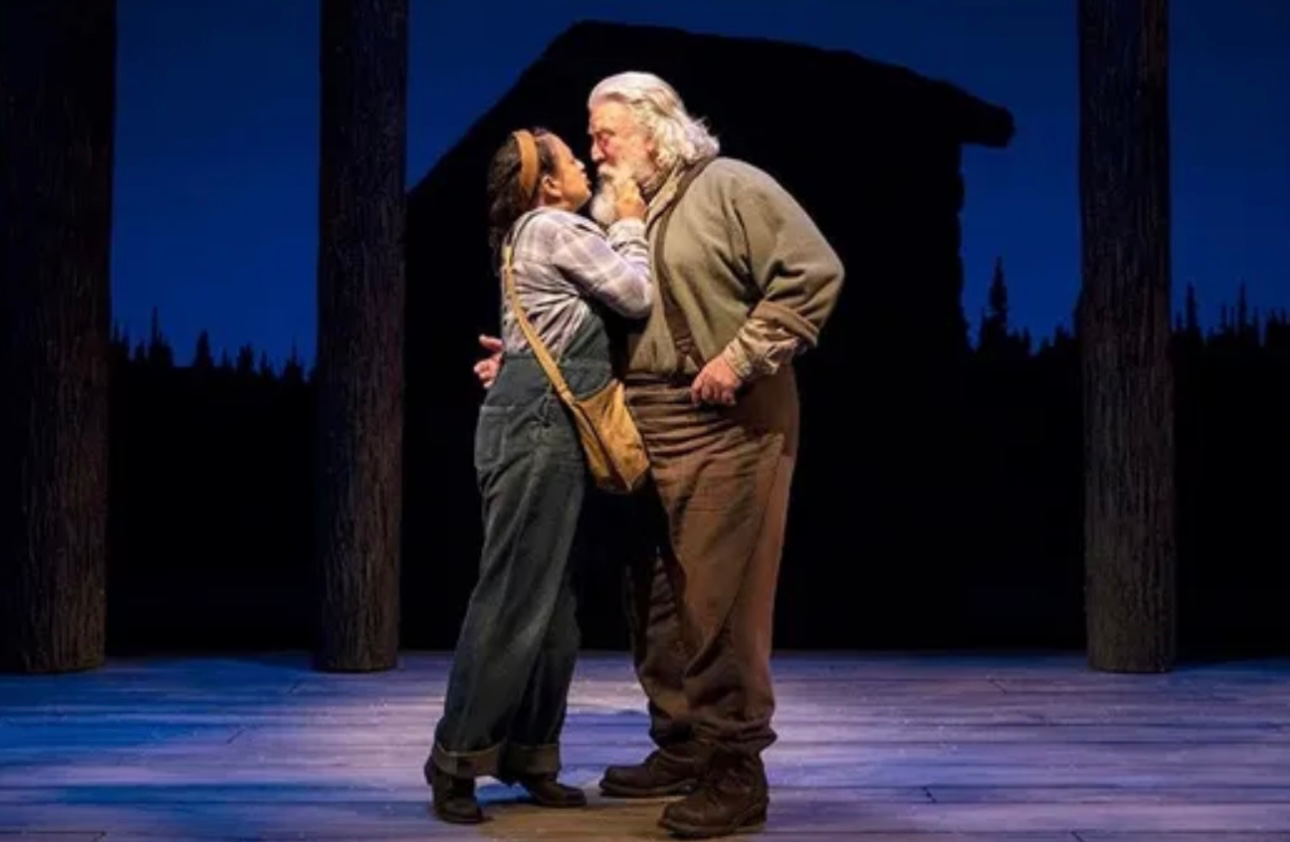
Following her successes in Boston, Natalie traveled to New York to audition for “West Side Story.” She won a role and went on a seven-week tour of Japan with the production. Exhausted from the flights, she returned home only to receive a new invitation—this time to audition for the Broadway production of “Les Misérables,”after which she was cast as Éponine. This was the realization of a dream not only for her but also for her family. Her parents, who once dreamed of the stage themselves, celebrated as if they had won the jackpot. Her mother even organized a street party with banners reading “NATALIE IS GOING TO BROADWAY.” For the family, it was a symbol that dreams really do come true.
Working on Les Misérables brought both fame and challenges. Backstage, disputes, competition, and tension reigned, but as soon as the show began, everyone became one unit. Eight shows a week demanded incredible dedication. Natalie poured a part of herself into her Éponine: her pain, her gloomy days, and her own experience with unrequited love. And that’s what made the character authentic.
She later realized the profound impact she had on the audience. Girls would approach her after performances, weeping, trembling, and unable to speak from emotion. One young fan even gave her a ring as a symbol of gratitude. From fan letters, Natalie learned that her acting literally saved lives. Girls who wanted to leave this world found a reason to live on in Éponine’s story.
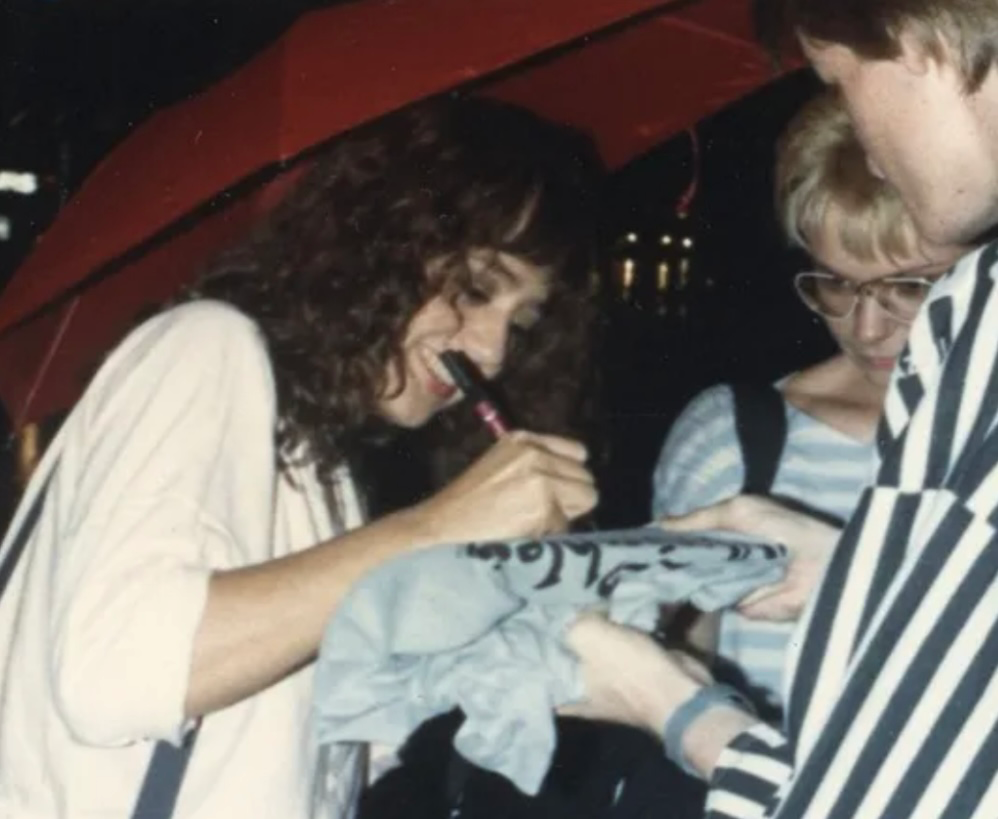
This experience changed Natalie forever. She realized that the stage is not only art but also responsibility. That her work could be the spark that keeps someone afloat. And even today, Natalie gratefully remembers her Éponine—the broken-hearted girl who taught her the true meaning of love and the power of empathy.
A Tumultuous Theatrical Life
In the late 90s, Natalie Toro began a new creative phase. In 1999, she first joined the work on Jill Santoriello’s musical “A Tale of Two Cities.” This story became a long-lasting and special one for her. By 2002, she recorded the role of Madame Defarge for the concept album, and in 2010, she reunited with colleagues to create an international studio recording and even a DVD concert of the musical’s best moments.
But A Tale of Two Cities was not the only thing defining her career. In 2004, Natalie went on tour with the cult rock musical “Jesus Christ Superstar,” playing the role of Mary Magdalene. In 2007, Toro returned to Madame Defarge—this time on the stage of the Asolo Repertory Theatre in Sarasota. Critics were impressed by her performance, and it was then that she won the Sarasota Magazine Award for Best Supporting Actress. The production didn’t stop at the regional level; the following year, it transferred to Broadway. Previews began on August 19, 2008, at the Al Hirschfeld Theatre, with the premiere on September 18. Natalie remained with the cast until the show closed in November.
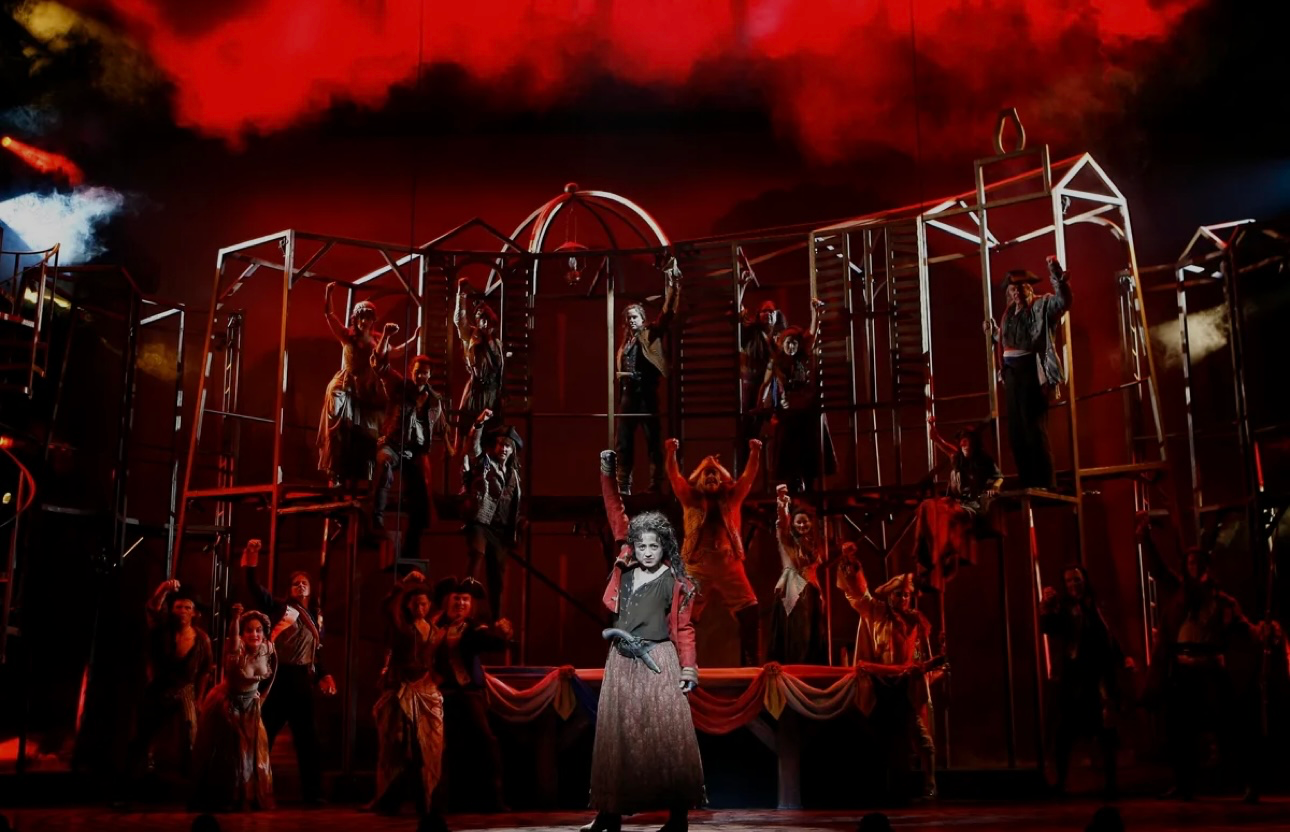
Natalie Toro’s notable theatrical performances also include Zombie Prom, Cats, Evita, In the Heights, and others.
Every new role became a test and a triumph for Natalie. From Evita and Grizabella to Madame Defarge, her characters always left a deep impression on the audience, and the actress herself became increasingly established on the theatrical stage.
Natalie Toro’s Musical Journey
Although audiences know Natalie Toro primarily as a star of the theater stage, music has always been her personal space of freedom. In 2008, while performing in A Tale of Two Cities, the singer released her self-titled solo album. This was not a typical collection of Broadway songs but a kind of experiment. Natalie enlisted eleven different arrangers to give each track a unique sound. She wanted the listener to hear familiar melodies in an unexpected light—fresh, eclectic, and with a personal tone.
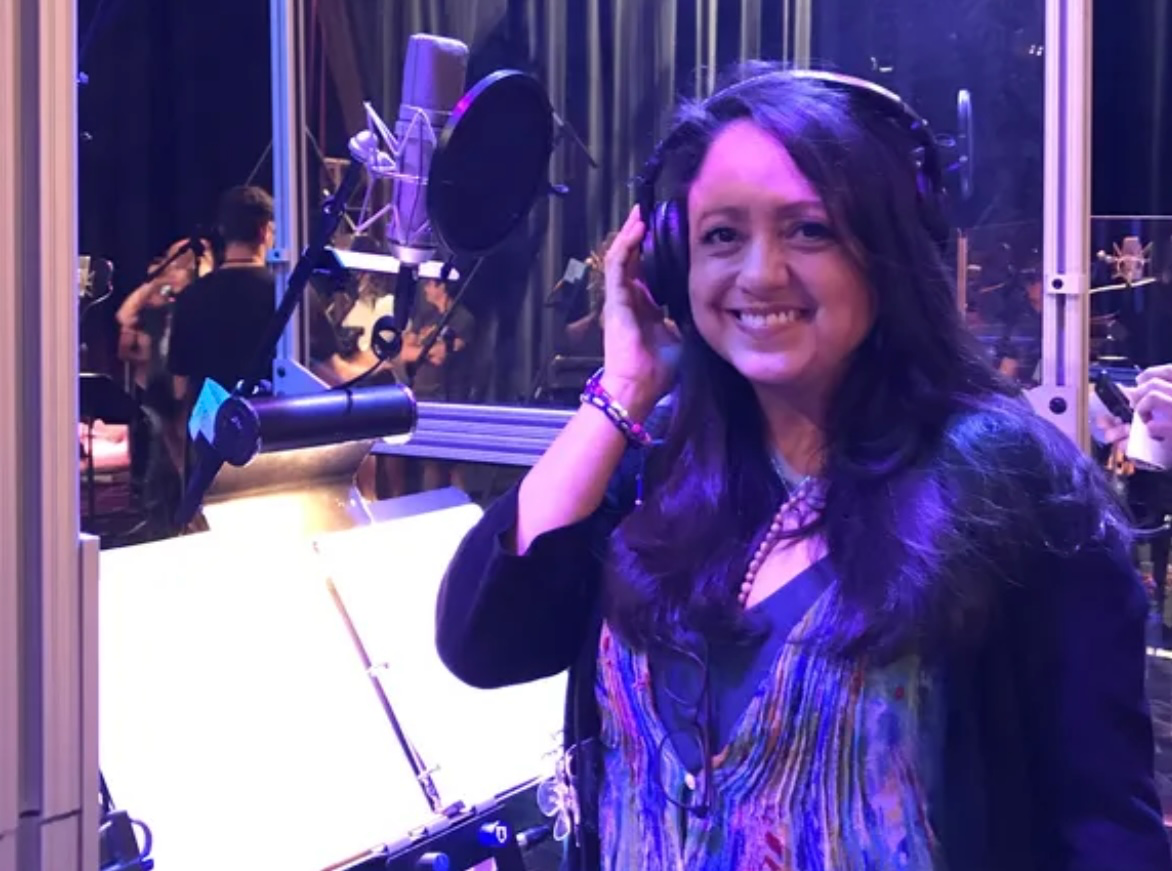
One of the most touching compositions was “I Remember.” Natalie dedicated it to her college friend who died in a car accident. The simple arrangement, featuring only piano, violin, and cello, transformed the song into a quiet conversation with memory, as if her friend’s soul were singing alongside her again. Another gem, “Unusual Way,” was presented in a deeper, velvety interpretation—instead of bright theatricality, Natalie gave listeners an intimate, almost confessional version. Natalie even reimagined the classic “I Dreamed a Dream” by rearranging parts of the song so that the listener discovered the familiar story anew.
A particularly bright moment in her career was her collaboration with Latin superstar Jon Secada for the album Just in Time for Christmas. Together, they recorded the song “I’ll Be Home for Christmas,” giving it a light Latin flavor in the style of the Gypsy Kings. Natalie recalls being nervous about working with a global celebrity, but Secada impressed her with his modesty and trust when he said:
“This is your album—tell me what I should do.”
The recording took place in Miami, in a studio on the 32nd floor overlooking the ocean. There, in a T-shirt and shorts in the middle of the summer heat, she sang the Christmas classic, infusing it with sincere warmth.

Her duet with Ryan Kelly on “Baby, It’s Cold Outside” was equally captivating. Natalie added an unexpected Celtic flavor to the track and even filmed a video with the Irish singer.
For Natalie, every album is not just a collection of songs but a story of searching for her own sound. She avoids formulaic solutions, is not afraid to take risks, and always tries to give listeners something new: a tender memory, a passionate duet, or a bold arrangement of a familiar melody. Her music is a dialogue in which the actress’s voice becomes a sincere confession, and the stage becomes a space for heartfelt conversation.