

Yiddish theaters were quite popular in New York in the last century. The large Jewish community, which was increasing every year, needed to realize its needs for communication and cultural development. The conditions for this in America were quite favorable, as no one resisted. Therefore, new theaters were opening in all boroughs of New York. One of them was the McKinley Square Theatre, known for its successful vaudeville and profound performances. We will tell about this theater in the Bronx, as well as about one of such popular performances in this article on bronx-trend.
The Bronx as one of the centers of Yiddish theater
At the end of the 19th century, the number of Jewish immigrants from Eastern Europe in America increased significantly. This led to an increase in the presence of the Jewish community in culture. Yiddish performances, including musicals, dramas and comedies, as well as translations of well-known masterpieces, began to appear more and more often on New York posters. Such performances not only entertained the Jewish public but also played an educational and social role. Immigrants were able to communicate and maintain contact with past generations. Second Avenue in Manhattan became known as the Yiddish Broadway or Yiddish Rialto. Yiddish theaters operated throughout the city. Many of them were located in the Bronx and Brooklyn.
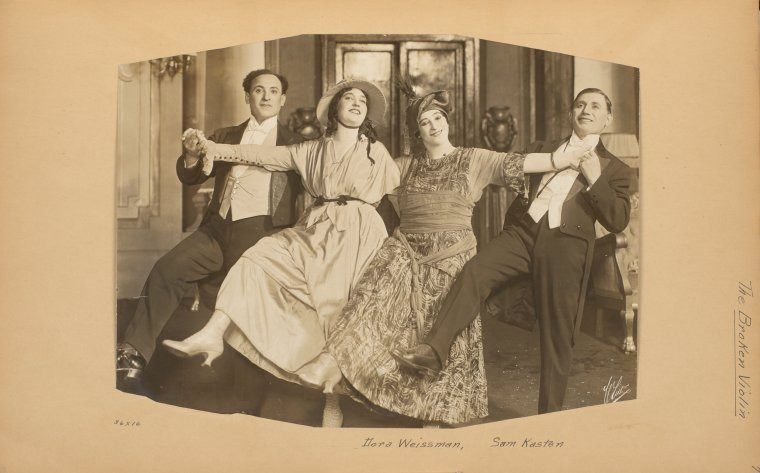
In the Bronx, several Yiddish theaters operated in the first half of the 20th century, including Prospect Theatre, Bronx Art Theatre, McKinley Square Theatre and Tremont Theatre. Yiddish performances were also staged at the Bronx Art Theatre, known as the Intimate Playhouse, and at the Schildkraut Theatre, where the famous Vilna troupe performed.
Read the article about the best theater venues in the Bronx here.
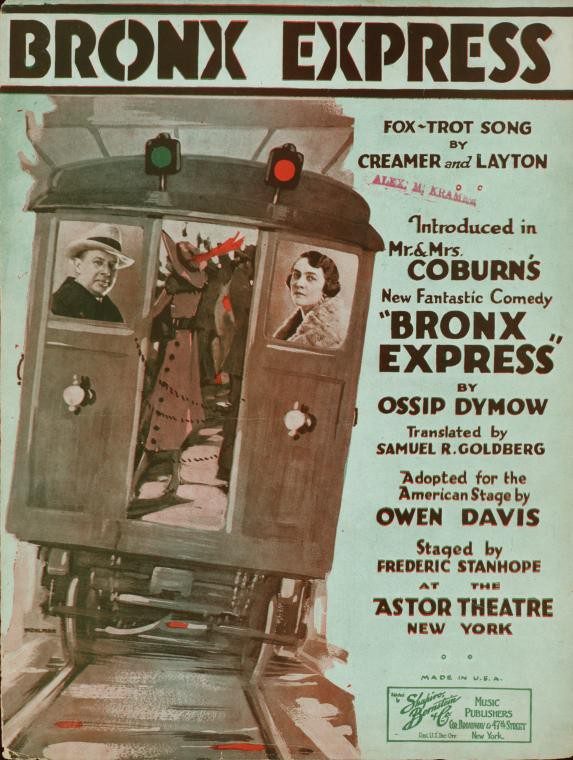
McKinley Square Theatre
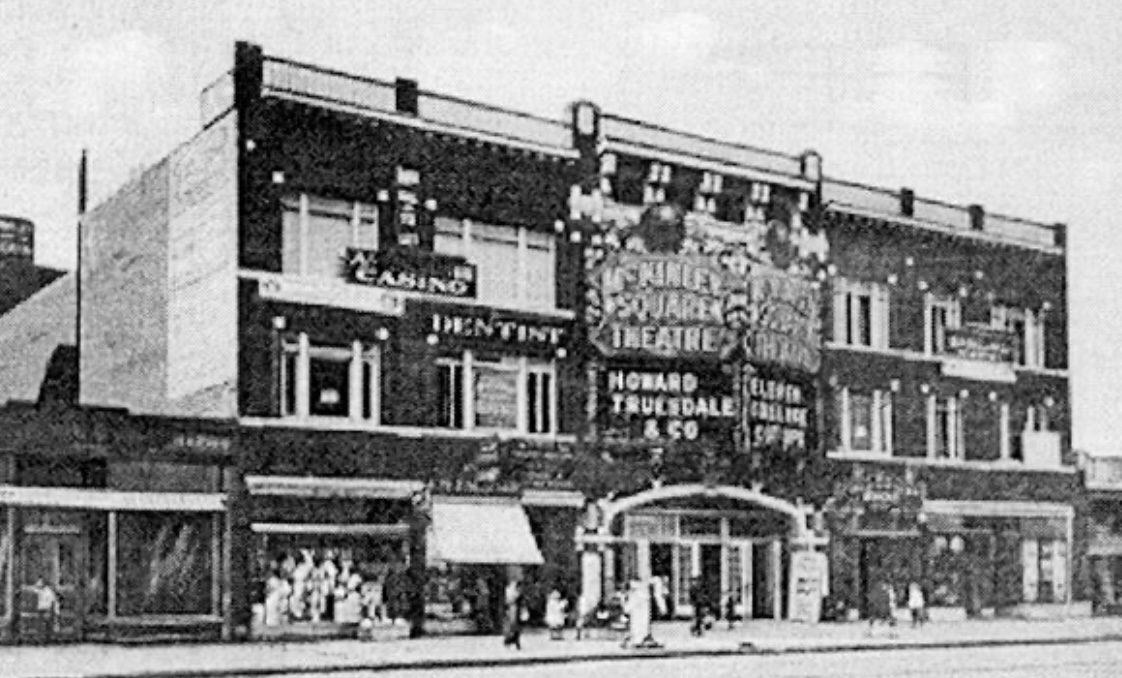
Today, this three-story building is no different from many others on Boston Road. On the first floor, there is a cheap store with various trinkets for a dollar and ordinary apartments are located on the other two. A century ago, this place was a luxurious Yiddish theater, which seated 1,500 spectators and served as an entertainment center for the large Jewish community of the Bronx.
The theater opened in 1916. In 1921, it was restored by Michael J. Garvin for a huge amount of money at that time, $150,000 (today this amount would be about $2 million). In the 1930s, it received a new name, King Theatre. An elegant red brick building with vintage decoration became another center of the theatrical Jewish community in the Bronx. The theater was most often used for vaudeville, a combination of theater, music and comedy. Such artists as Flora Freiman, Joseph Kessler and Meyer Schwartz became famous here.
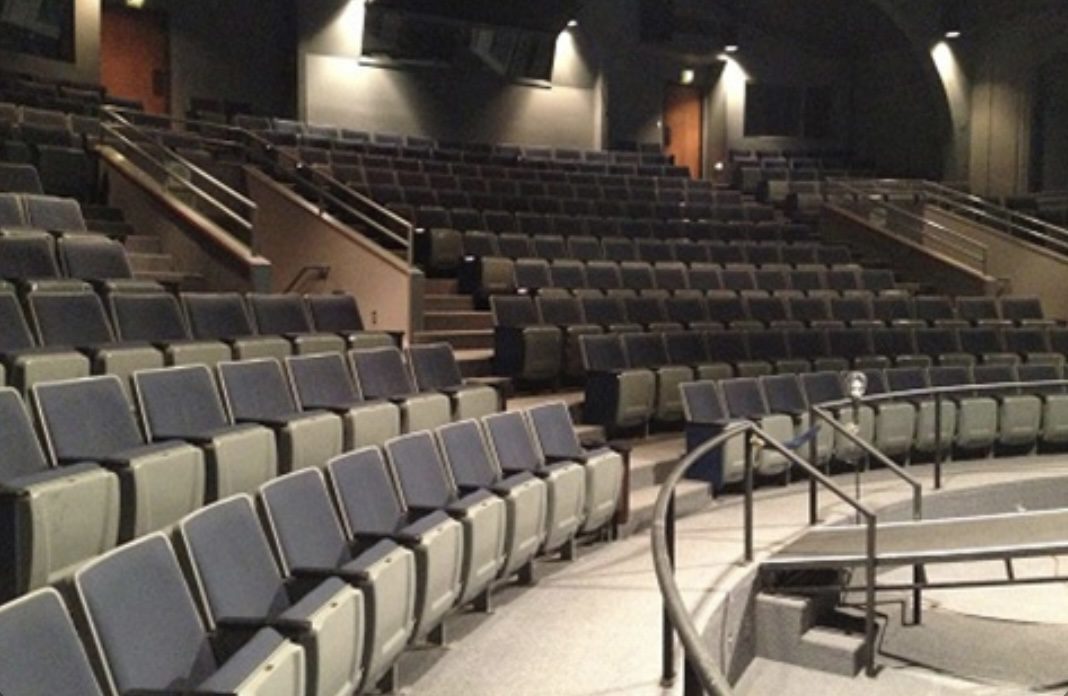
The theater was later renamed the McKinley Square Theatre. It remained an important cultural space for the Jewish community for decades.
The McKinley Square Theatre underwent numerous renovations and changed ownership many times throughout the 20th century. In the 1940s, like most theaters of the time in the Bronx, it switched from plays and vaudeville to showing films. It closed in 1953.
In 2002, the building was demolished and replaced by a new residential and commercial building with a Dollar Store on the ground floor.
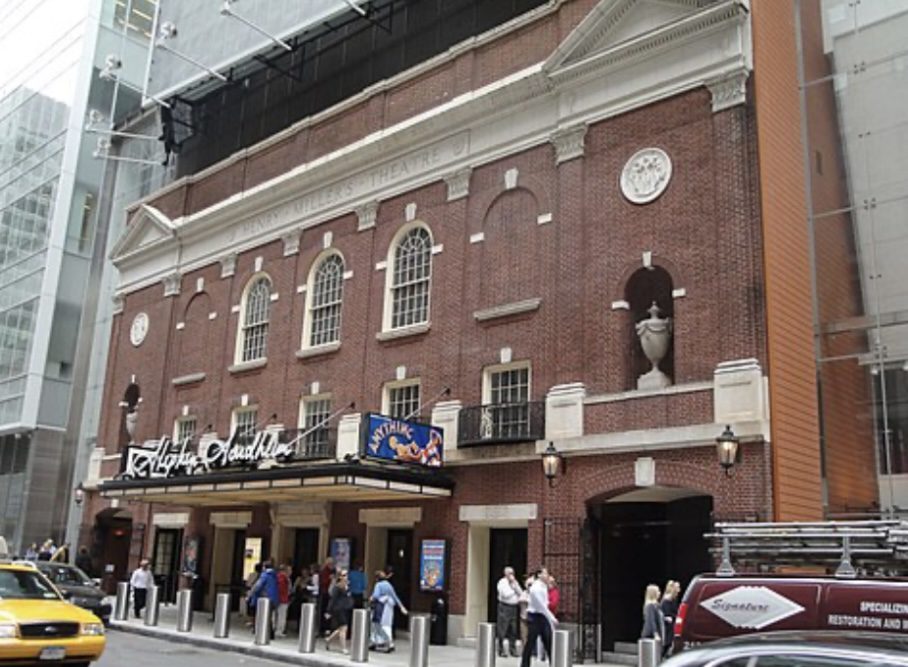
Notable Yiddish plays performed at the McKinley Square Theatre include:
- Children of the Earth, 1926
- A Night in Romania, 1934
- Oh, Promise Me, 1935
- His Wedding Night, 1936
- Shall a Woman Forgive?, 1939.
We will tell you more about one of these performances.
Oh, Promise Me: a fusion of genres, languages and cultures
In 1936, a musical performance was held at the McKinley Square Theatre, named as the famous English song Oh, Promise Me. It was the red thread running through the entire performance. The song was performed several times during it and each time it sounded differently. In addition to the original English text, the scriptwriters included phrases in Russian and Yiddish. Therefore, the play was met with great interest by the Jewish audience, which consisted mainly of migrants who felt nostalgia for their homeland. The Russian song resonated deeply with their feelings. The title of the song also reflected the main essence of the play. The characters found themselves in difficult life situations and hurt each other, even while loving sincerely and selflessly.
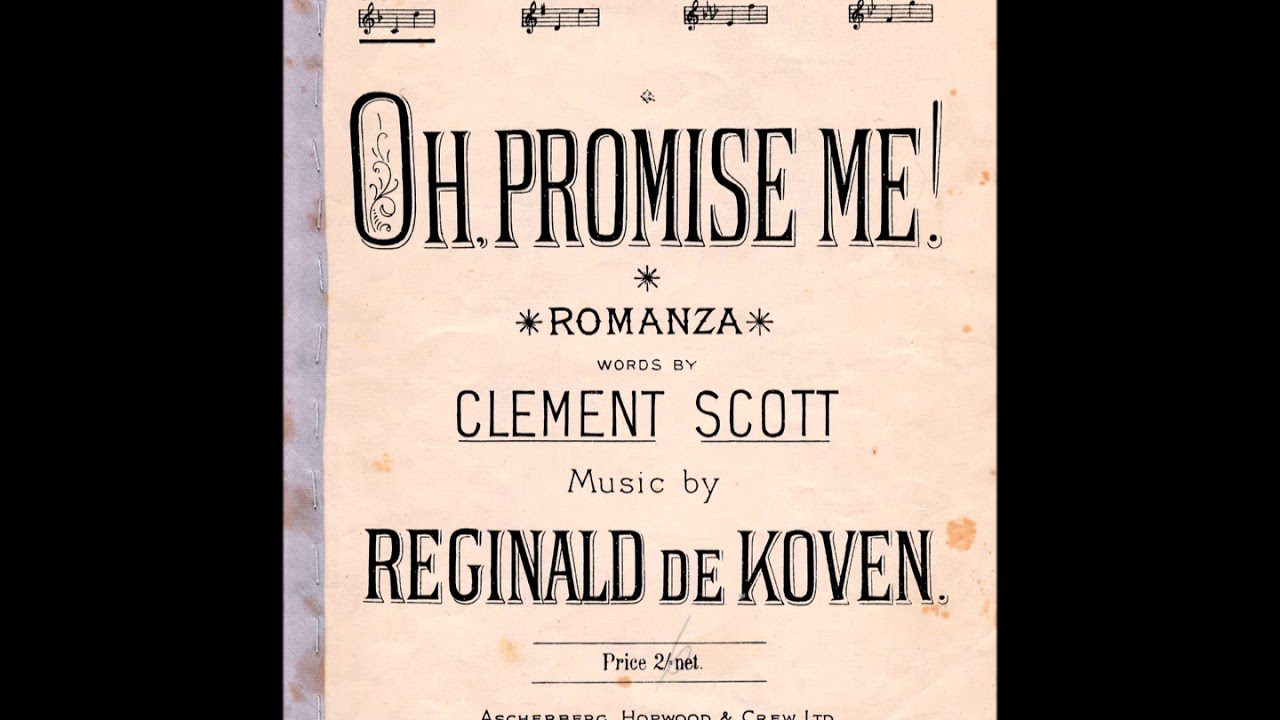
The program indicated the play as a musical performance. The first act did indeed consist mainly of singing and dancing. However, in the following acts, the emphasis shifted to strong dramatic scenes. In general, theatrical performances in Yiddish often did not have a clear identity. It could be a mixture of different genres without defined categories, such as melodrama or comedy. The name musical performance was used most often at that time. It attracted the audience and did not force them to define a specific genre.
The plot of the play
The play begins on stage in one of the local cabarets. Every evening, the leading artists of the institution, Michael Pearlman and Kitty, perform there. They perform different songs. Most often, the visitors demand from them soulful and melodic compositions. The couple look very harmoniously and stage love very soon develops into something real. However, Michael wants to break out of the cabaret. He considers himself too talented and worthy of more than entertaining a drunken audience. He writes songs and tries to attract the attention of Broadway producers. He fails in this. Michael is an immigrant from Russia. His sad nostalgic songs do not impress Americans.
There is another reason why Michael does not leave the cabaret. He loves Kitty and does not want to leave her alone with their boss, Nicky, who also likes the attractive talented singer. The lovers cannot leave together. They will be left completely without money. In addition, Nicky threatens them. If they leave him, they will not find work anywhere. The owner of the cabaret has friends throughout the city and is closely associated with criminal authorities.
In the end, Kitty manages to persuade one of the respected managers of the Broadway theater to come to Michael’s performance in the cabaret. The guy is offered a job in the theater. Kitty makes another bold move. She goes to the police and reports her boss, exposing all his illegal activities. Nicky is arrested. Michael and Kitty get married and live happily. A daughter is born in the family.
However, Nicky is released from prison and demands to meet with Kitty. He threatens her and forces her to agree to a meeting. When Michael goes to an important concert, Kitty is left alone at home. Nicky comes to her and insists that she leave with him, threatening to ruin Michael’s career and the safety of their child.
Kitty is forced to submit to his demands for the sake of the child. Nicky forces her to write a farewell letter to Michael. When Michael finds the letter, he experiences deep grief. The child suffers greatly from longing for his mother and gets very sick. Michael tries to find his beloved one but fails. He comes up with a way to get his wife back. Michael records on the radio an appeal to Kitty of their daughter, who is in the hospital. Hearing her voice on the radio, Kitty rushes to her daughter’s ward. The family unites and everyone forgives each other to live happily ever after.
Cast
Oh, Promise Me was written by the famous actor Isidore Friedman, who also took part in the play.
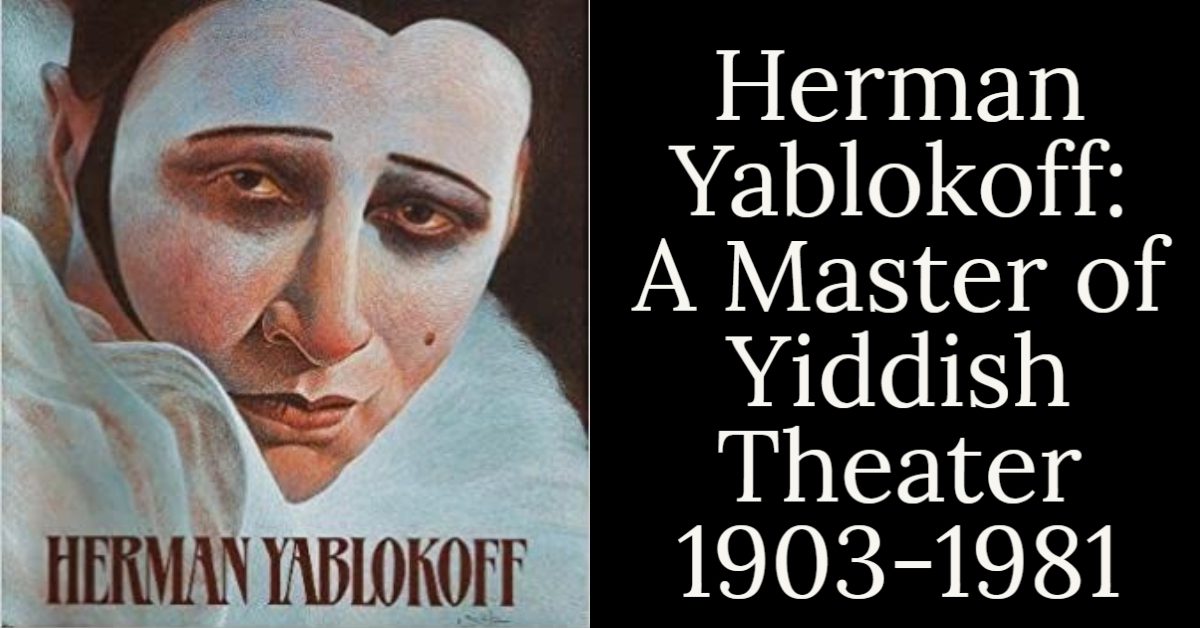
The main roles were played by two stars of the theater, Herman Yablokoff and Bella Mysell. Yablokoff had already gained popularity in the theater thanks to his unsurpassed performance of songs. The audience was always delighted with his singing.
Other participants also contributed to creating a bright show. Leon Seidenberg played the role of Nicky, a cabaret entrepreneur. Leon Schechter, with a distinct dramatic appearance, played the doctor, Michael’s friend. Julius Adler and Sylvia Fishman performed minor comedic roles that made the audience laugh.
A special atmosphere was created by Yudl Dubinsky, as the peddler Shlomo Soloveychik. He came up with a new trick that became popular with the audience. In the scene when Michael is preparing for the performance, Soloveychik tells him that he invited all his fellow countrymen to the concert and gave them free passes so that they would applaud actively. He teaches Michael how to give a signal for applause, a loud shout. At the moment the performance begins, Yablokoff and Dubinsky begin to sing and the crowd instantly joins in the applause.
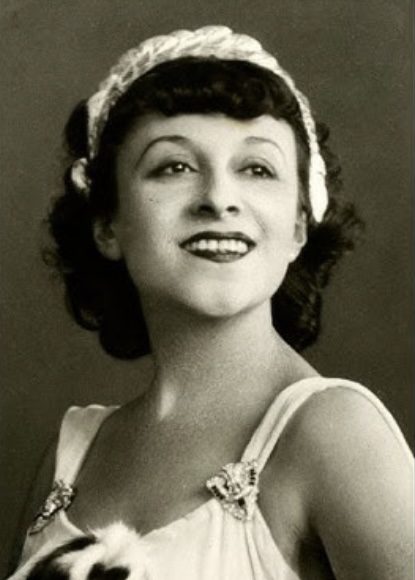
Also worth noting is Gloria Goldstein, who played the role of Dolly, Michael and Kitty’s daughter. The play also featured Annie Ziman, Henrietta Jacobson, Bobby York and Rosa Schechter.
Learn more about the development of theater in the Bronx here.

