


In June 2025, this celebrated director and screenwriter will celebrate his 98th birthday. He is often remembered for launching Al Pacino’s career and for his unique style, which blends deep emotional truth with a genuine sincerity. We’ll dive into the life and career of this photographic and cinematic artist right here on bronx-trend.com.
Childhood Memories
Jerry Schatzberg was born in the Bronx and was an only child. His father was a furrier. They had a good relationship until Jerry was a teenager—they spent time together after work, listened to the radio, and went for walks. But one day, Jerry went against his father’s wishes, and from then on, their communication almost stopped, even though the boy later worked in the family business. When Jerry decided to leave the fur trade for photography, a big argument erupted between them. His father reacted harshly, saying:
“What are you going to do? You can’t do anything. You’re a fool.”
Even at 97, Jerry clearly remembers those words, which left a deep wound in his heart.
Another vivid childhood memory for Jerry is his Bar Mitzvah ceremony (the coming-of-age celebration in the Jewish community that his parents belonged to). The family often spoke Yiddish, especially when they didn’t want Jerry to understand what they were saying. Ultimately, he was sent to a Jewish school to fulfill a promise to his grandfather to prepare Jerry for his Bar Mitzvah. But the boy didn’t like it—he would run off with a friend and girls and hang out in the neighborhood. Because of his father’s gambling addiction and financial problems, the Bar Mitzvah celebration was a modest one, held simply in his mother’s bedroom.
Early Career
Schatzberg was a good student and was accepted to the University of Miami without any problems. From 1954 to 1956, he worked as a photographer’s assistant for Bill Helburn. Later, Jerry started his career as a freelance photographer, and his fashion photos appeared in leading magazines like Vogue, McCalls, Esquire, Glamour, Town & Country, and LIFE.
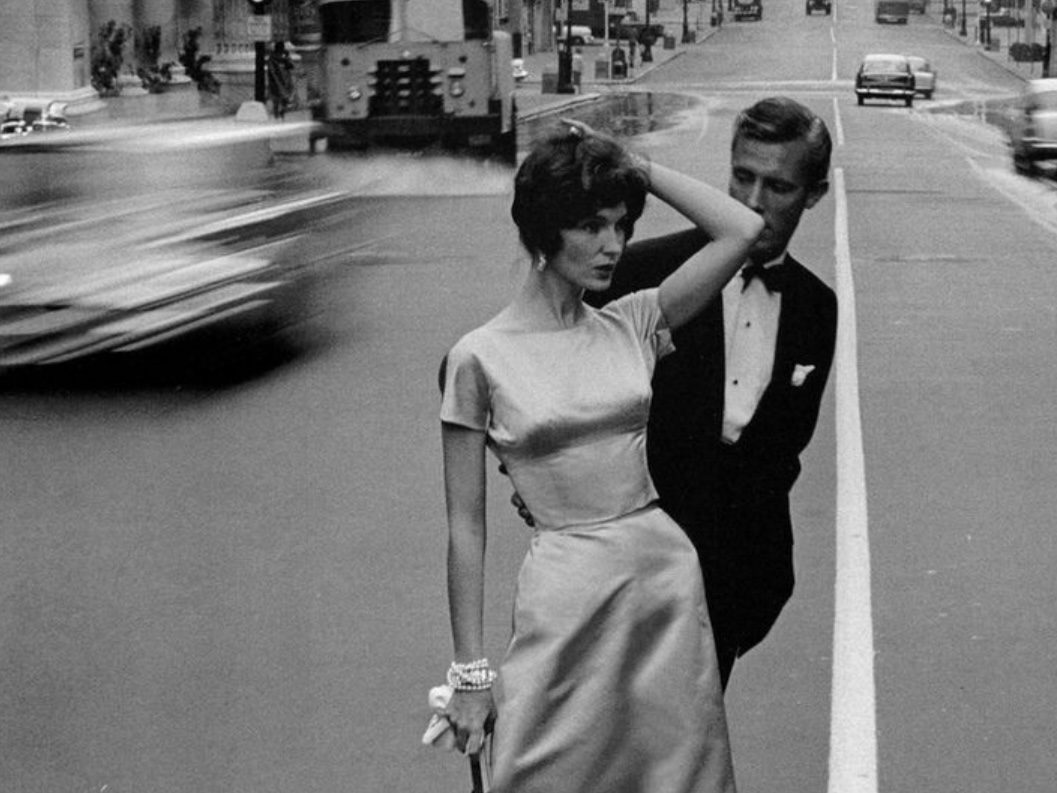
After gaining experience in television commercials, Jerry Schatzberg made his film debut in 1970 with Puzzle of a Downfall Child. He co-wrote the screenplay with Carole Eastman, who also wrote Five Easy Pieces. The film is set in the world of fashion, which Schatzberg knew well, and tells the story of a successful fashion model, played by Faye Dunaway, who is going through a personal crisis, a troubled relationship, and the gradual decline of her career.
This drama, which focused on a woman’s experience, became one of the defining films of the 1970s, alongside films like Diary of a Mad Housewife, A Woman Under the Influence, and An Unmarried Woman. Schatzberg modestly spoke about his transition to film in one interview:
“I just wanted to make a movie and I wanted to make it in a certain way, so I found the means to do it.”
Discovering Al Pacino
Without Jerry Schatzberg, there might not have been the Godfather we know today. While the film would have still been made, it certainly wouldn’t have had the same impact—and it’s all because of the role Schatzberg played in Al Pacino’s career. He was the first to notice the actor on stage and gave him his debut leading role in the 1971 film The Panic in Needle Park. This film so impressed Francis Ford Coppola that he insisted Pacino play Michael Corleone, despite opposition from the studio, which was wary of casting an unknown actor in a high-profile gangster story.
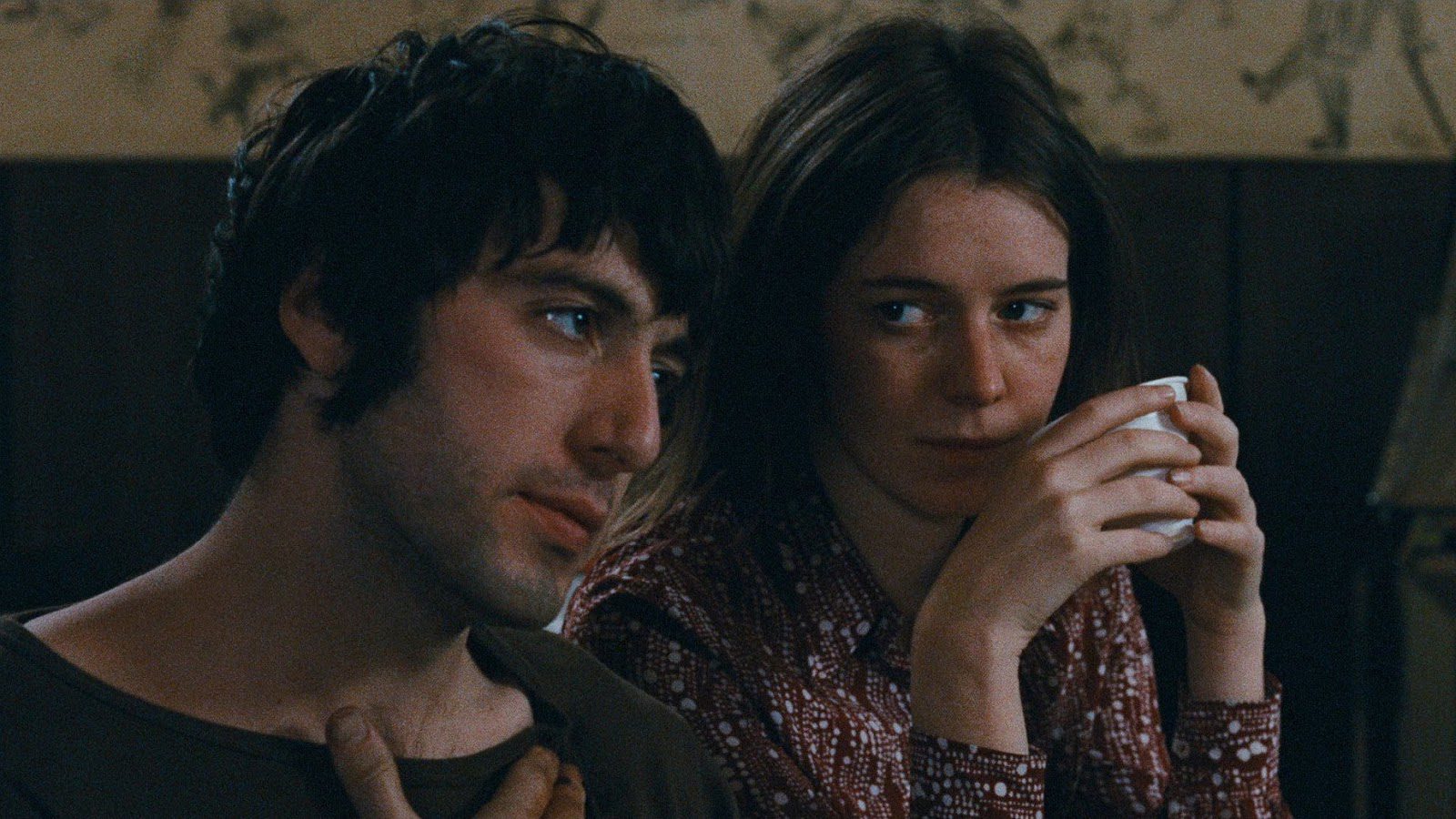
The Panic in Needle Park is a raw, emotionally charged film about heroin addiction. The screenplay was written by Joan Didion and John Gregory Dunne, based on a book by James Mills. The story centers on two young drug-addicted lovers, played by Pacino and Kitty Winn. To achieve maximum realism, Schatzberg conducted extensive research and shot the film in a near-documentary style. He was inspired by Gillo Pontecorvo’s The Battle of Algiers, which he considered a model of honest and direct filmmaking. That honesty still comes through in The Panic in Needle Park even today.
Although Schatzberg’s name is often mentioned in connection with Pacino’s rise to stardom, his own directorial legacy is not as well-known. Schatzberg’s career was built on intimate, deeply psychological dramas that didn’t seek mainstream fame. He always said he was interested in people on the fringes of society.
A Unique Eye Through the Lens
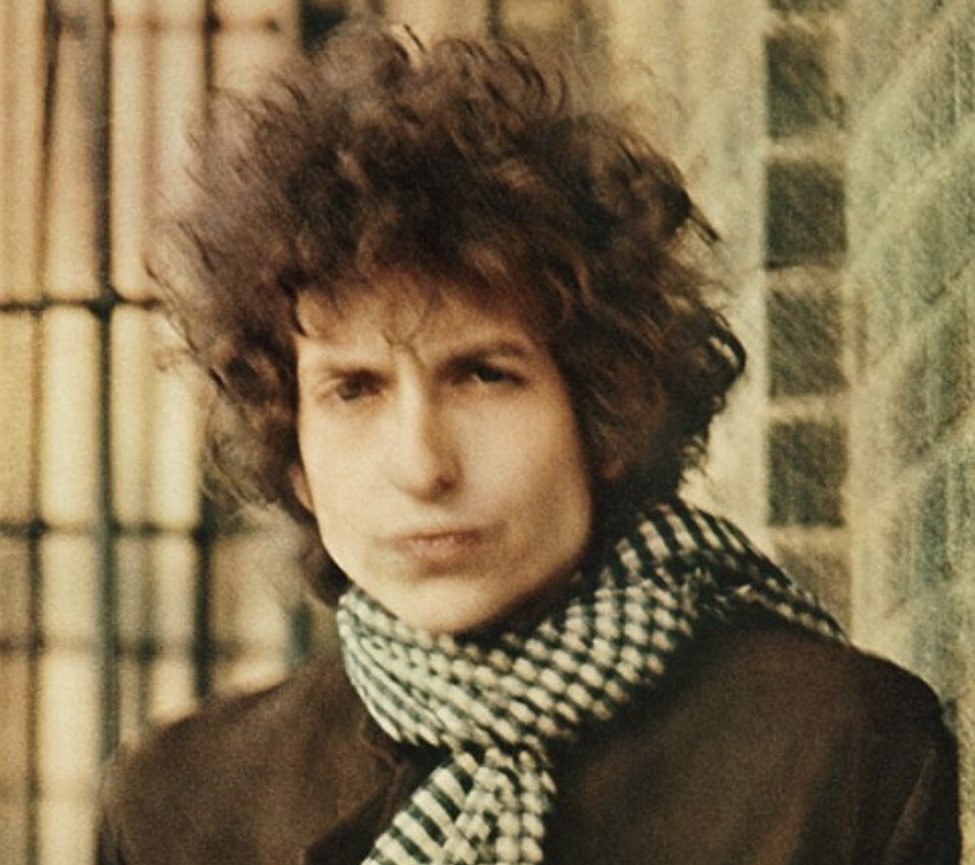
Schatzberg learned how to work with actors while he was a portrait photographer. He noticed that most people felt stiff in front of the camera, so he would spend a lot of time with them to help them relax and look deeper—to see the real person hidden behind the facade. This allowed him to create honest, insightful portraits that became his signature in the 1960s. His subjects included famous people like Bob Dylan, Andy Warhol, Francis Coppola, Roman Polanski, Jimi Hendrix, Fidel Castro, and The Rolling Stones, among others.
On set, just like in the studio, Schatzberg didn’t give actors strict instructions—he allowed them to find the right moment on their own. In this way, his approach was closer to the street photography of André Kertész or Henri Cartier-Bresson than to the staged works of Irving Penn or Richard Avedon. Schatzberg’s shots are not just images; they are small stories that capture emotions, gestures, and movement. He looked for life outside the frame, not inside it.
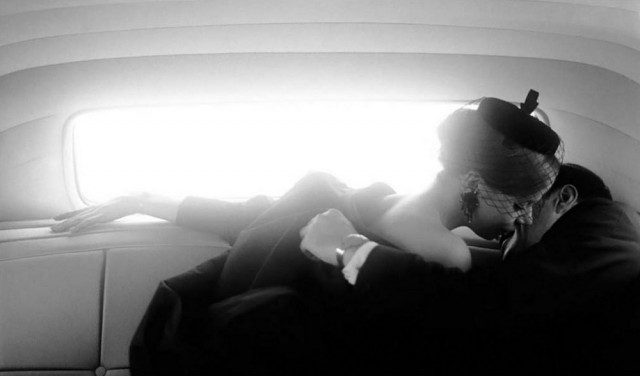
Schatzberg always focused on people and relationships, which didn’t fit with the ethos of the 1980s and ’90s Hollywood industry, with its obsession with special effects and shallow genres. His films are full of raw emotionality, and his characters feel like people you’ve known for a long time.
Jerry Schatzberg had a unique talent for seeing what no one else did. Through his camera, he was able to deeply and poignantly reveal the most secretive and personal aspects of people.
Other Noteworthy Films
After his first two successful films, Schatzberg was confident that his focus on cinema was the right choice. He didn’t make movies often, but each new one was special, even if not always a commercial success. Among Jerry Schatzberg’s most notable films are:
- Scarecrow (1973).
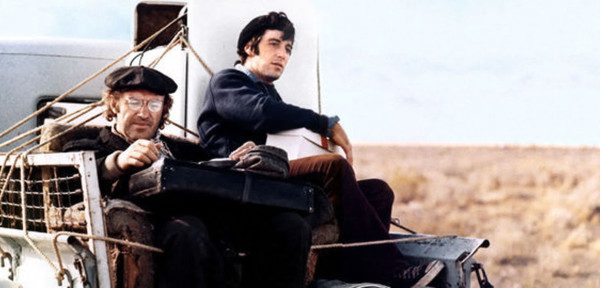
The director’s third feature film earned him the highest award at the Cannes Film Festival, the Palme d’Or. This film is an unconventional buddy movie brilliantly starring Al Pacino and Gene Hackman. The relaxed, free-flowing atmosphere that Schatzberg created captures the spirit of the era, and the actors deliver some of their best performances. Despite its success, the film has since faded from the spotlight, although its artistic value is undeniable.
- Sweet Revenge (1976).
This lesser-known film tells the ironic story of a woman who steals cars to buy a Ferrari. Stockard Channing, who rarely had leading roles, creates a vivid character in this satirical and slightly absurd comedy.
- The Seduction of Joe Tynan (1979).
A political drama with a screenplay by Alan Alda, who also stars. The film explores the moral compromises of a liberal senator. Relevant even today, it features a strong cast—Alda, Barbara Harris, Meryl Streep, and Rip Torn. It is one of Schatzberg’s most mature and poignant films.
- Misunderstood (1984).
A moving drama about a father-son relationship, shot in Tunisia.
- Street Smart (1987).
His best work of the decade—a dark thriller with Christopher Reeve and Morgan Freeman as a charismatic pimp. It’s a forgotten but very powerful film.
- Reunion (1989).
A historical drama set against the backdrop of the rise of Nazism.
- The Pony Express Returns (2000).
After a long break, Schatzberg returned with a film in which a young Frenchman travels to New York in search of his father.
There were also some outright failures. His flops include the unsuccessful thriller Blood Money (1988) with Andy Garcia and Ellen Barkin, and the romantic comedy The Great Feel (1984) with John Cryer and Demi Moore.
French critic Michel Ciment called Schatzberg’s debut trilogy—Puzzle of a Downfall Child, The Panic in Needle Park, and Scarecrow—one of the best starts to an American director’s career. Schatzberg himself admits that not all of his films were successful:
“I hate some of the movies I’ve made. There is one I absolutely denounce. I won’t say which one. However, for the number of movies that I have made, which are not that many, I am quite happy with them. I think the first three were brilliant. Some of the others were really good. The studios were always trying to rig something, and it only got worse over time.”
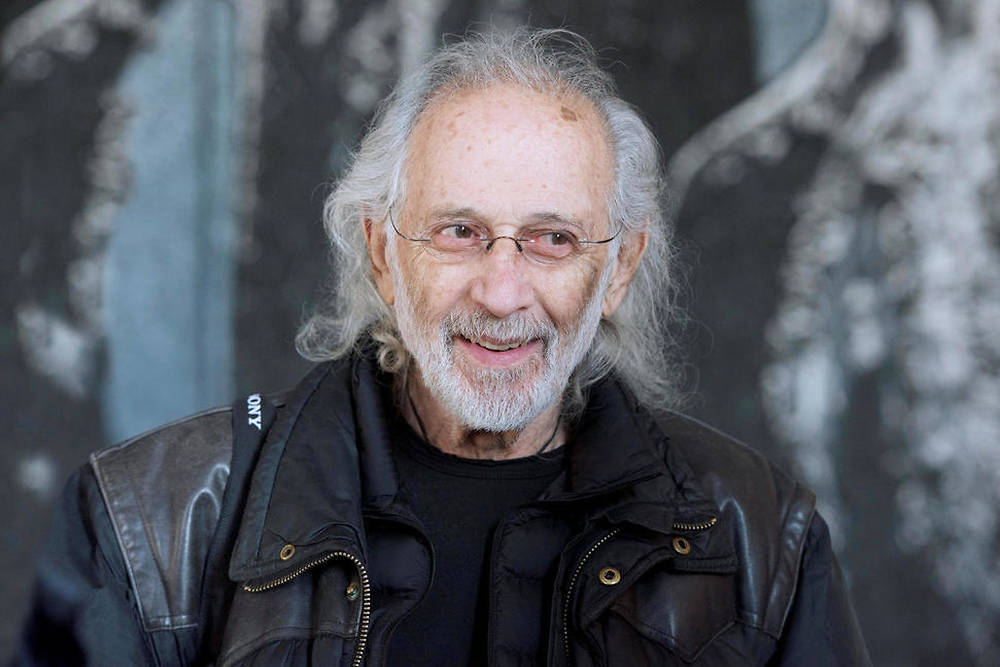
For more than four decades, Jerry Schatzberg subtly combined aesthetic sophistication with emotional truth. He masterfully built tension to make the release even more impactful and often gently hinted rather than stated. His works are a reminder of what modern American cinema often lacks—the depth, maturity, and sincerity that only a true artist can share.