


An American director and screenwriter, Stanley Kubrick is known for his distinct visual style, meticulous attention to detail, and a cold, often ironic or pessimistic view of the world. All of his films are deeply thoughtful and highly discussed, as Kubrick worked on them with exceptional care at every stage—from research to editing. We’ve got the story of this unique director’s success right here on bronx-trend.com.
A Passion for Photography and Film
Stanley Kubrick was born on July 26, 1928. He grew up in the Bronx in a doctor’s family. From childhood, he was fascinated by chess and photography, passions instilled in him by his father. Although smart, Kubrick quickly grew bored with school and didn’t achieve much academic success. Instead, he spent hours in the school’s photo studio. At 16, he earned his first money from a photograph he took himself. Kubrick sold a photo of a sad, dejected newspaper vendor against a backdrop of headlines about President Roosevelt’s death to Look magazine. The editor saw the young man’s talent and made him an attractive offer. At 17, Kubrick dropped out of the City College of New York and became a staff photographer for Look, for which he completed over 300 assignments over the next four years.
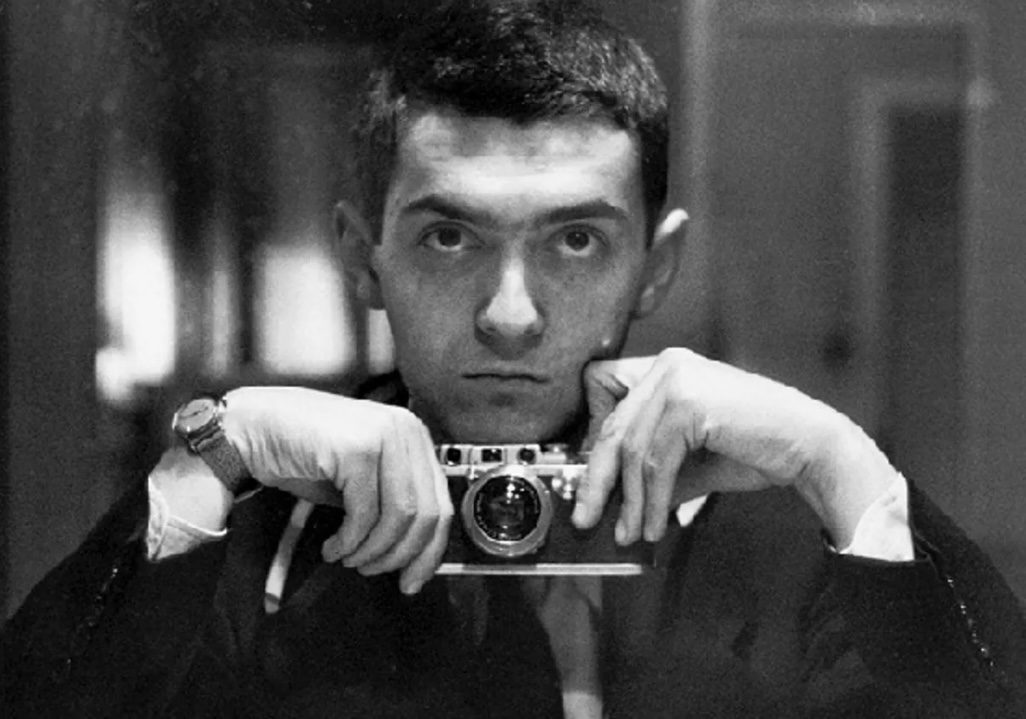
One day, Kubrick was sent to shoot a story about a boxer. That’s when his interest in filmmaking first sparked. Just like with all his passions, the young man dove headfirst into it. In 1951, he made his first documentary, Day of the Fight, with his high school friend Alexander Singer. The studio RKO bought the film for $4,000, of which Kubrick received $100. But this small fee didn’t discourage him. He then made several more commissioned shorts, including The Seafarers (1952), which was funded by a seamen’s union. At the same time, Kubrick became obsessed with classic films, regularly attending screenings at the Museum of Modern Art and admiring the works of Orson Welles and Sergei Eisenstein.
Early Feature Films
After making several documentaries, Stanley Kubrick convinced his father and uncle to help finance his first feature film, Fear and Desire. He wrote the screenplay with his longtime friend Howard Sackler. In 1953, the film, shot on a minimal budget, was released. Later, in 1955, Kubrick organized another low-budget project, the crime drama Killer’s Kiss, which was funded by a syndicate created by his uncle. Around this time, Stanley met producer James B. Harris, and together they formed the company Harris-Kubrick Pictures.
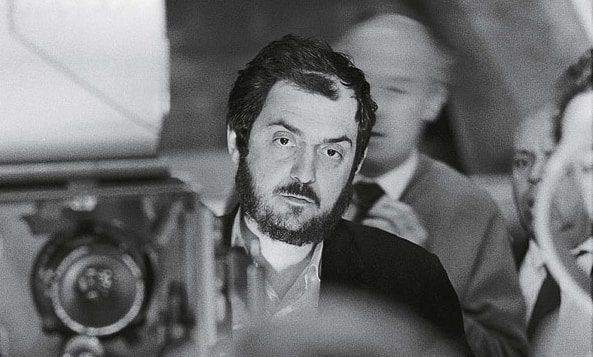
Intrigued by the director’s potential after Killer’s Kiss, United Artists studio financed his next film, The Killing, in 1956. It was a stylish noir about a racetrack robbery, notable for its complex structure and unconventional editing. Harris invested some of the money, and the studio covered the rest. With Harris, Kubrick moved to Los Angeles, and their next project in 1957 was the screen adaptation of the anti-war novel Paths of Glory. The film was shot in Germany with a larger budget and explored the futility of war and the cruelty of military command. It received high praise for the acting and the screenplay, which Kubrick co-wrote with Jim Thompson and Calder Willingham. However, the film was not a box office success, and Kubrick even waived his percentage of the profits, which ended up being negligible.
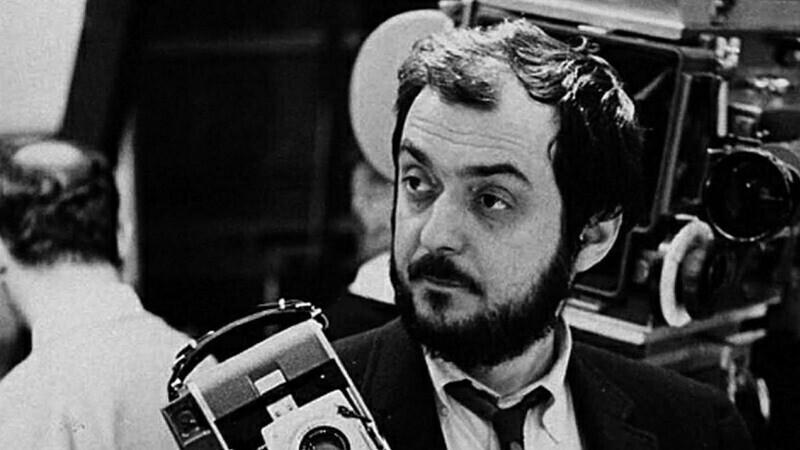
In 1960, Kirk Douglas invited Kubrick to replace director Anthony Mann on Spartacus, a historical epic about a slave revolt in ancient Rome. The film was massive and shot in color using a wide-screen format, with an impressive cast and a screenplay by Dalton Trumbo. Despite its commercial success, it was Kubrick’s least personal film—he had limited creative control. This experience convinced him to demand complete freedom in the production, script, and promotion of his films going forward.
Gaining Popularity
After moving his family to the UK, Kubrick took advantage of the financial benefits of the “Eady Plan,” which provided tax breaks to foreign producers who hired a mostly British crew. His first British film was Lolita in 1962, an adaptation of Vladimir Nabokov’s provocative novel about an adult man’s obsession with a teenage girl. Although Nabokov was involved in writing the screenplay, it was Kubrick who rewrote most of the text, creating a dark, black comedy. Despite censorship and protests from religious organizations, the film was a commercial success and became Kubrick’s first major British project, shot at MGM’s studios in Borehamwood.
But Kubrick’s true breakthrough came in 1964 with the release of Dr. Strangelove, a satirical comedy about the threat of nuclear war. The film was based on Peter George’s novel Red Alert. Kubrick initially planned to make a serious film, but he ultimately chose a grotesquely comedic approach that only heightened the drama of the subject. The film received rave reviews, became a box office hit, and earned Kubrick his first Oscar nomination for Best Director, as well as nominations for Best Picture, Actor, and Screenplay.
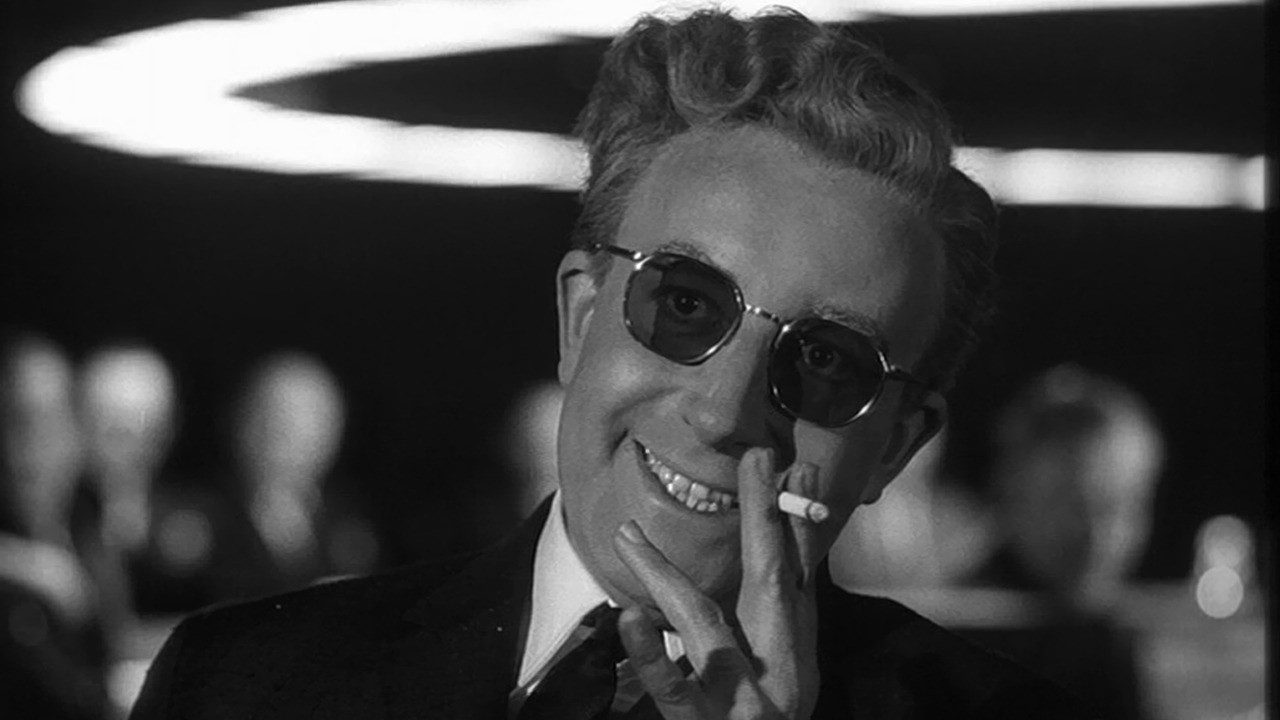
It was during the preparation for Dr. Strangelove that Kubrick ended his partnership with James B. Harris and closed Harris-Kubrick Pictures. In its place, he created his own company, Hawk Films, which became the platform for his future films.
Years of Work on 2001: A Space Odyssey
For four years, Kubrick worked on creating the film 2001: A Space Odyssey, which was released in 1968. It’s a philosophical science-fiction film based on a short story by Arthur C. Clarke. The film consists of three parts, and only the middle one has a traditional plot: two astronauts encounter a malfunctioning artificial intelligence—the computer HAL 9000—that begins to threaten their lives during a flight to Jupiter. Even then, the role and capabilities of artificial intelligence caused some prejudice and apprehension. The first part depicts prehistoric apes, and the final part is an abstract, almost psychedelic journey into space where the usual laws of time and reality are broken.

The film explores humanity’s relationship with technology, but its deeper meaning remains intentionally vague. Kubrick stated that he wanted the film’s content to exist beyond words and logic. The film also set a new standard for visual effects and turned out to be surprisingly accurate in predicting future technologies.
Kubrick received Oscar nominations for Best Director and Screenplay, and his only career win was for the special effects in this film. The movie became a cinematic cult classic, especially popular among the counterculture youth, and it paved the way for Kubrick to have maximum creative freedom.
Other Stanley Kubrick Films
After the success of his previous works, Kubrick took on a series of ambitious projects, each distinguished by technical virtuosity, daring themes, and often controversial public reception:
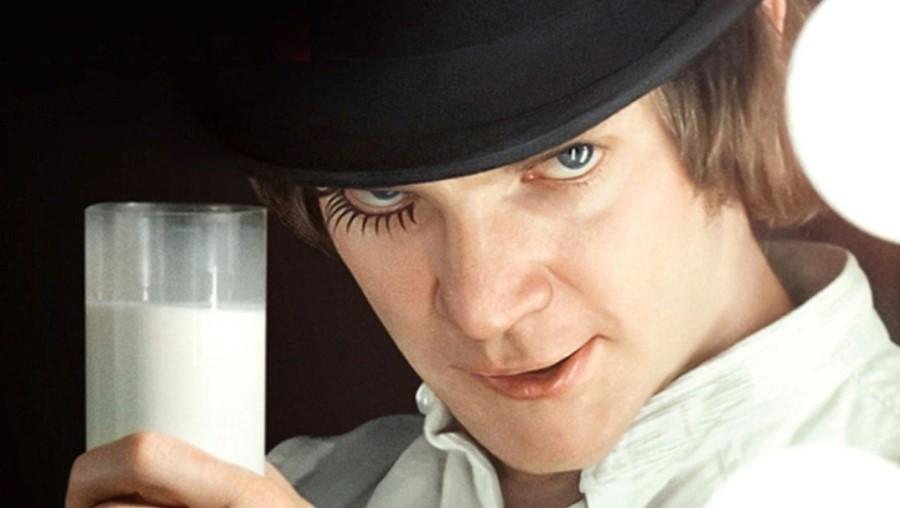
- A Clockwork Orange (1971).
Kubrick adapted Anthony Burgess’s novel himself, creating a grim vision of the near future in England. The main character, a violent teenager named Alex, was played by Malcolm McDowell. After his arrest, the state “reprograms” his psyche. This provocative film sparked a storm of criticism for its scenes of violence and even more controversy than 2001: A Space Odyssey, but it was nominated for Oscars for Best Picture, Director, and Screenplay. In the UK, the film was pulled from circulation after reports of crimes that were allegedly inspired by its plot.
- Barry Lyndon (1975).
Kubrick made this historical film based on the novel by William Makepeace Thackeray. The director aimed to create the most authentic atmosphere of the era, shooting scenes only with natural light using a specially developed camera. Although the film received rave reviews in Europe, it was met with a cool reception in the U.S. and Britain, where it was considered slow. However, it earned several Oscar nominations, including for Best Picture and Director, and cinematographer John Alcott won the award for Best Cinematography.
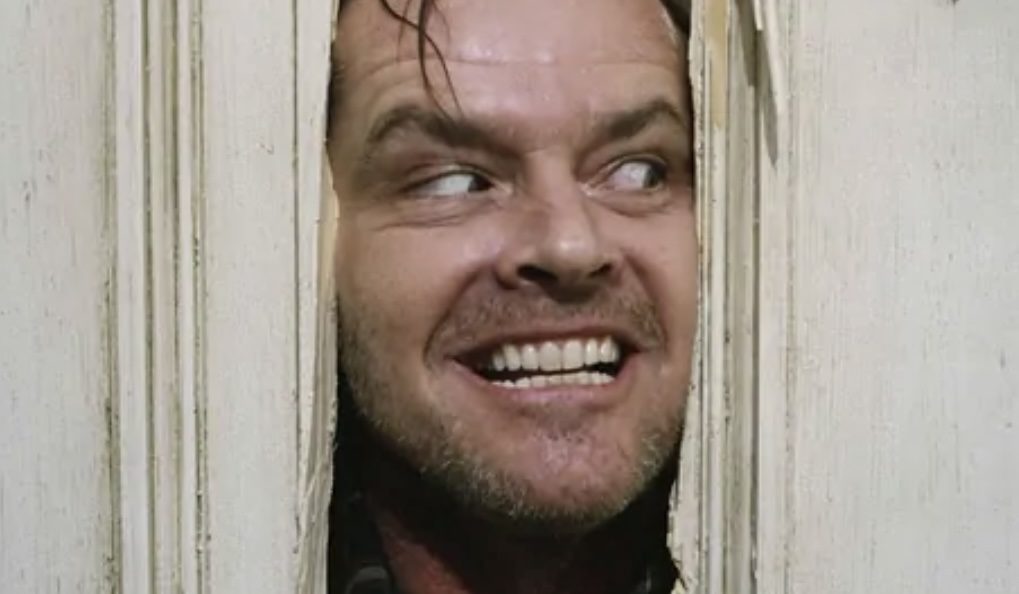
- The Shining (1980).
Based on Stephen King’s novel, the film tells the story of a writer who moves with his family to an isolated hotel and gradually loses his mind. Kubrick used a new technology—the Steadicam—to achieve smooth camera movement and create a tense atmosphere. The film received mixed reviews from critics but eventually became a horror classic and a commercial success.
- Full Metal Jacket (1987).
This anti-war drama, based on Gustav Hasford’s novel The Short-Timers, follows the experience of U.S. Marines in Vietnam. The first part shows their brutal basic training, and the second depicts combat. Filming took place in England, and an abandoned gas plant in London served as the set for a Vietnamese city. The film had a strong cast, and the screenplay was nominated for an Oscar. But despite its profound theme, the film was not a commercial success.
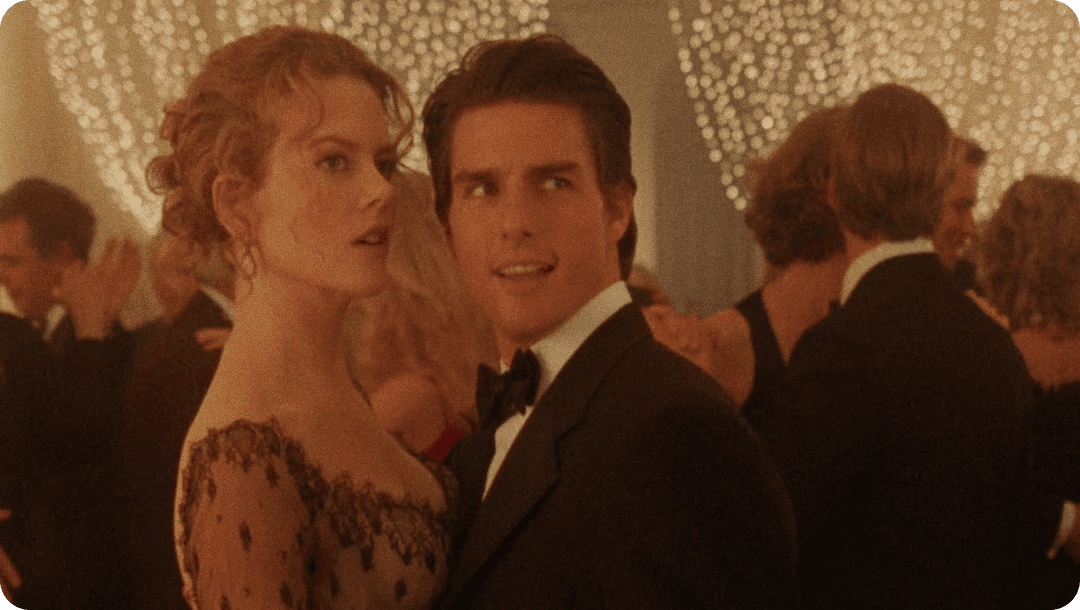
- Eyes Wide Shut (1999).
Kubrick’s final film, based on Arthur Schnitzler’s novella, was released posthumously. It starred Tom Cruise and Nicole Kidman as a couple going through a crisis and getting involved in a series of erotic adventures. The film sparked heated discussion but did not meet commercial expectations.
Although Stanley Kubrick’s career spanned almost fifty years, he directed only 13 feature films. Yet he is remembered as one of the most significant directors in cinematic history—an artist with a unique visual style. His works are particularly highly regarded by his peers, sometimes even more so than by critics. Each new Kubrick film was an event. His extraordinary attention to every detail earned him a reputation as a control-freak director, but it was precisely this that gave his films their recognizable signature style.