


Drill is one of the most controversial and, at the same time, influential music genres of the last decade. The genre has grown particularly in New York, first in Brooklyn and then in the Bronx, giving rise to Bronx drill—a unique blend of aggression, soul and funk samples, nostalgia, and relentless energy. We’ll explore drill’s journey from the streets of Chicago to the TikTok charts, its rise, bans, and transformations, and how the Bronx became an epicenter of musical innovation once again, right here on bronx-trend.com.
History of a New Genre
Drill is a subgenre of hip-hop that originated on the South Side of Chicago in the early 2010s. Its sound was shaped by producers DJ L and Young Chop: aggressive bass lines, a stuttering, unstable rhythm, fast hi-hat ticking, and aggressive synth melodies. All of this was underscored by lyrics filled with a sense of hopelessness, anger, and violence, reflecting the harsh reality of life in certain parts of the city. It’s no surprise that the Bronx quickly adopted this new trend, as this New York borough has the most neighborhoods like it.
Over time, the drill style spread beyond the U.S. In the UK, it mixed with local grime, taking on a new sound—more stripped-down, cold, and technically complex. This fusion gained particular traction in London, where the government later began an open campaign against the subgenre, seeing it as a threat to public order.
In 2014, drill exploded in New York when Brooklyn rappers Bobby Shmurda and Rowdy Rebel borrowed the Chicago energy and transformed it into something new.
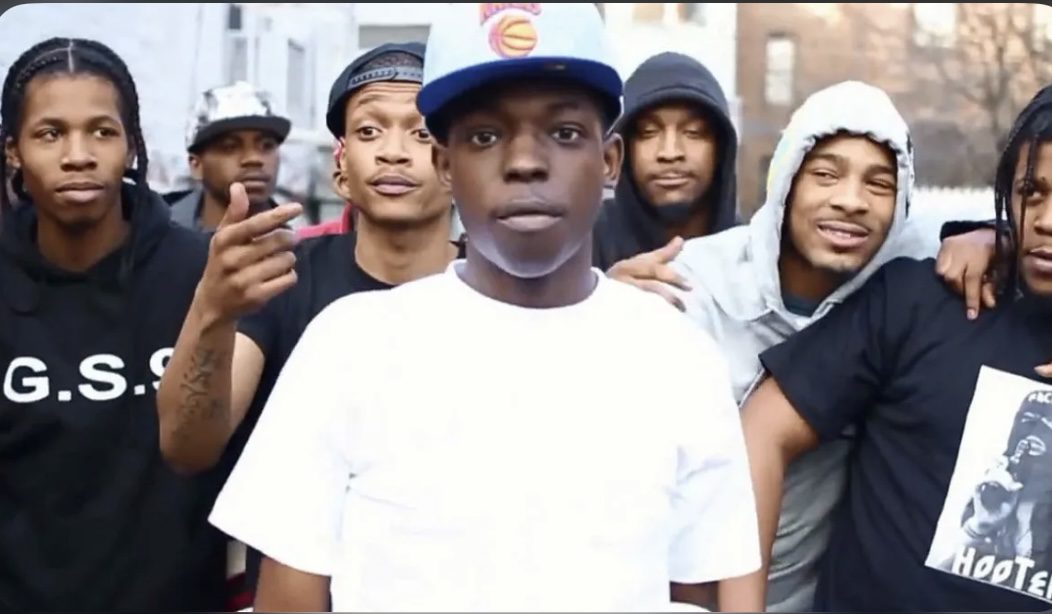
However, the real breakthrough came in 2018 when Pop Smoke teamed up with UK producer 808Melo. Together, they forged a new sonic direction: British dark beats met Brooklyn charisma and street poetry, forming a unique sound that changed New York rap.
Drill quickly spread worldwide, becoming popular in Ghana, Australia, and France. Its influence is evident in the work of countless artists who have used the style to reimagine old sounds or create their own local ones.
Despite its global success, drill has repeatedly faced resistance. In Chicago, leading artists like Chief Keef were banned from performing in their hometown. In New York, local authorities blocked concerts by Brooklyn drill stars. In the UK, rapper Digga D couldn’t do a magazine cover interview due to legal restrictions. Authorities saw the genre not as music but as a potential danger.
Yet, despite all the obstacles, drill has survived and transformed, becoming one of the most influential musical movements of the last decade.
A New Style Comes to the Bronx
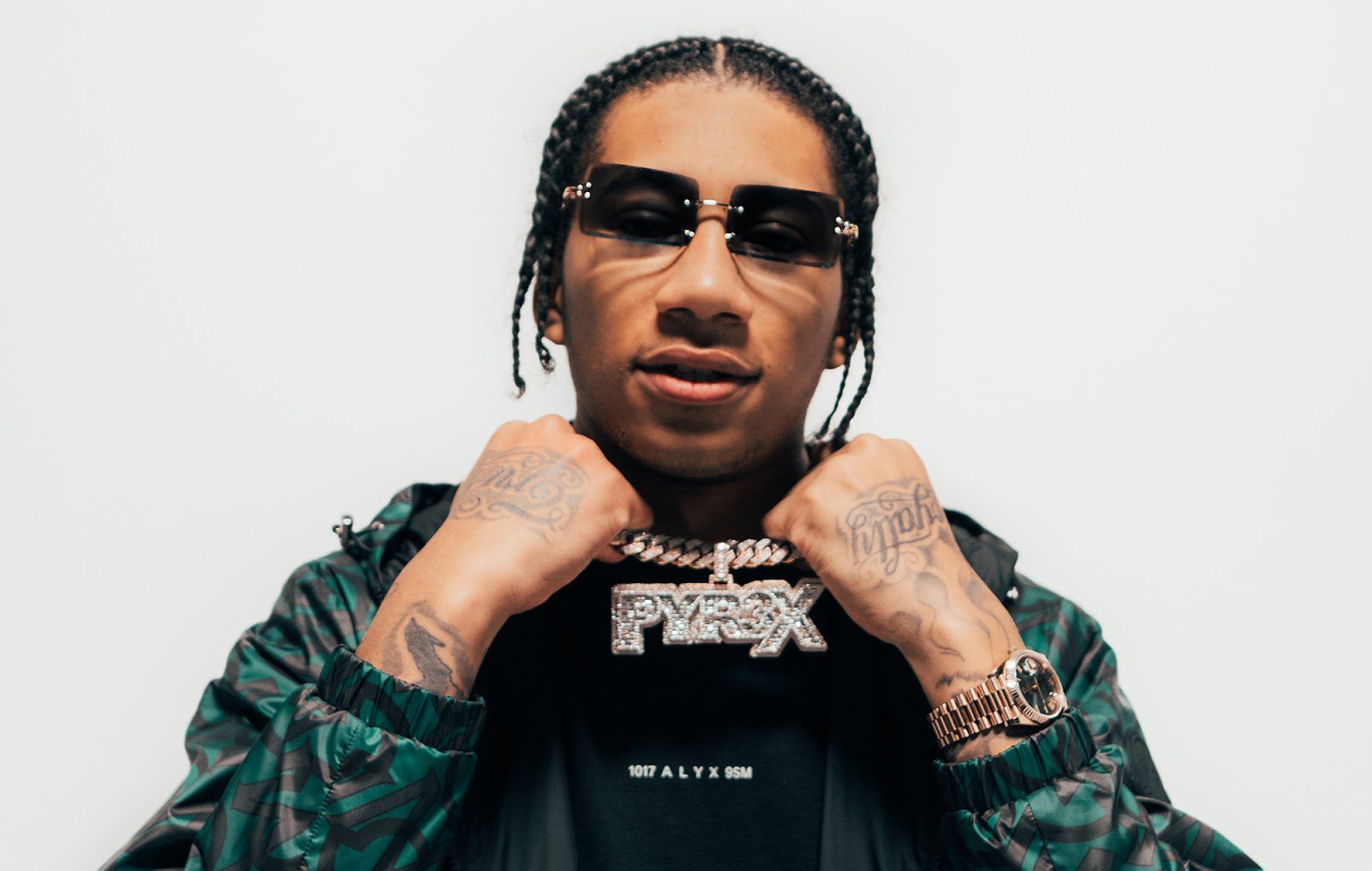
Since the mid-2010s, drill has taken root in New York, with Brooklyn as its main base. But after the tragic death of Pop Smoke in 2020, the scene began to lose its momentum. While some Brooklyn artists like Sheff G, Sleepy Hallow, Bizzy Banks, and 26AR managed to make a name for themselves, there was a general creative stagnation. The situation only began to change with the emergence of a new wave of energetic and charismatic artists from the Bronx.
The main feature of Bronx drill is the extensive use of samples from funk, soul, and pop songs, which gives the music a nostalgic yet modern sound. Producers like Cash Cobain, EPondabeat, WAR, and Elvis Bitz became the driving force behind this movement, each with their own approach to sampling. For instance, Cobain gravitates toward R&B and hip-hop from recent decades, EPondabeat and EvilGiane lean into soul and funk, while WAR experiments with a wide variety of sources.
Artists quickly joined the new scene, including Kay Flock, B-Lovee, Ron Suno, DThang Gz, Jay5ive, and others. Their delivery styles vary, though many of them choose an aggressive, high-energy approach.
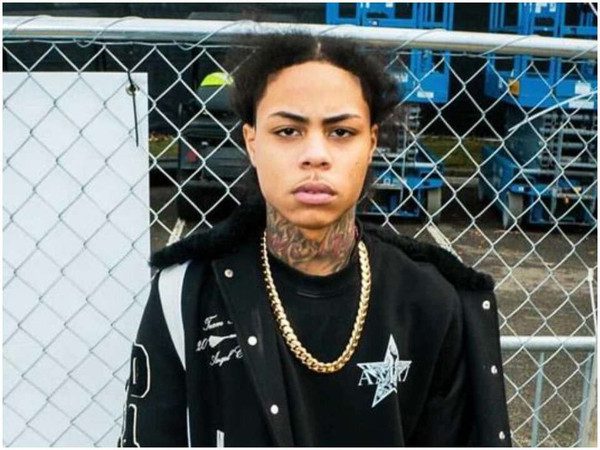
“These little kids from the Bronx, they’re wild. They’re on a demon-time rhythm. They’re angry as sh*t,” one producer aptly put it.
Interestingly, many producers and artists don’t worry about legal clearance for samples until a track gains popularity. Some don’t pay any attention to it at all.
Despite its relatively recent origins, Bronx drill has already moved beyond the local scene. The real breakthrough was the track “Shake It” by Kay Flock featuring Cardi B, which samples Akon’s song “Belly Dancer (Bananza).” This track brought drill to the mainstream.
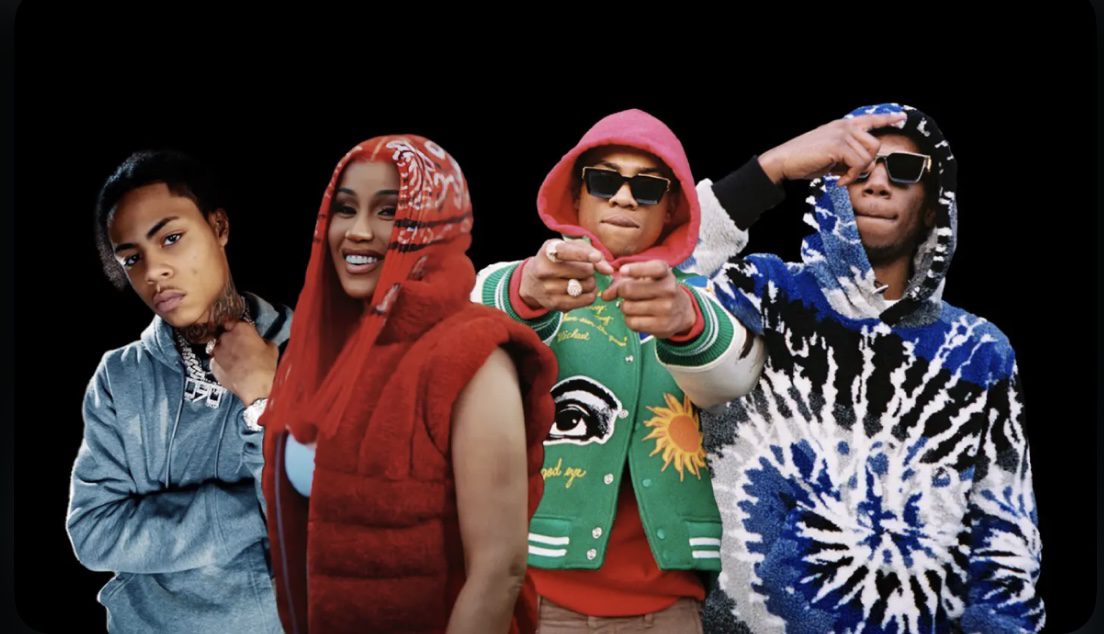
In the Bronx, the local drill scene stands out for its raw, no-nonsense energy. The rappers here spit with a fury that, outside their neighborhoods, often comes across as excessive. Their flow is layered over a mix of sharp and melodic, sampled beats. Unlike the pop approach, which tries to soften the violence with a cheerful sound, Bronx drill doesn’t try to be nice or gentle—it’s direct and harsh. The artists here don’t care about trends, luxury, or status; everything revolves around their neighborhood, their streets, and their reality. The Bronx drill scene is currently one of the most dynamic in the U.S., constantly pushing the genre’s boundaries and influencing music culture.
Cash Cobain: A Key Figure in Bronx Drill
South Bronx producer Cash Cobain has become a central figure in the new phase of New York drill’s evolution. His style, which Complex Music magazine dubbed “sexy drill,” is a softer, more sensual approach to a genre traditionally associated with aggression and violence. Instead of grim imagery, there’s a focus on lightness, playfulness, and pleasure.
“I think everybody wants to feel good, have fun, and just feel sexy,” Cash himself explains.
After Pop Smoke’s breakthrough in 2018, Cobain decided to dive deeper into UK drill. He taught himself the genre’s fundamentals and began experimenting with samples, layering familiar melodies from the past over modern bass lines. This is how he combined the new wave of drill with the classic New York tradition of sampled hip-hop, which started with Rick Rubin and Paff Daddy. The result is a style that simultaneously preserves the city’s legacy and creates something completely new.
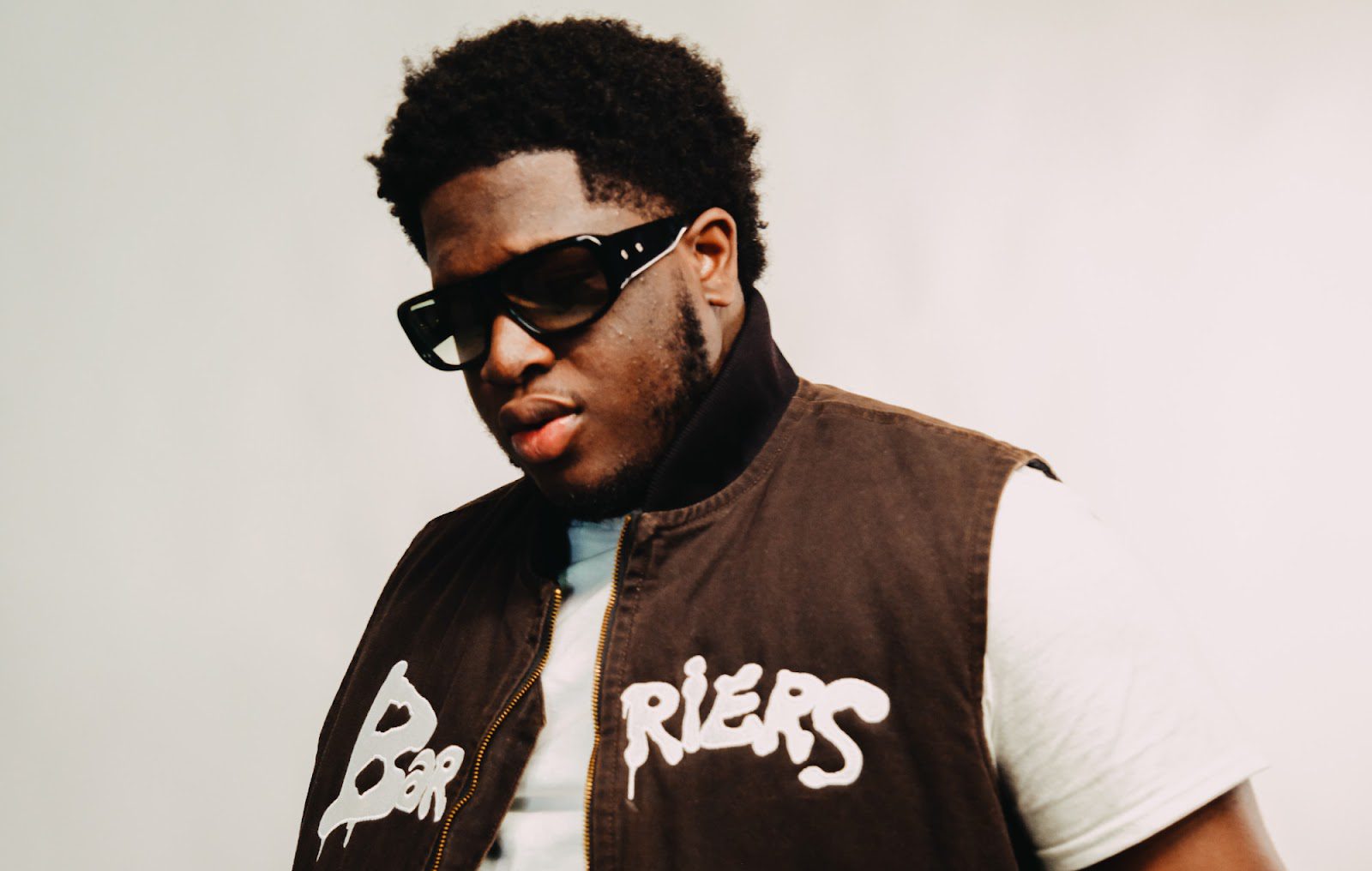
Cobain’s influence quickly became palpable. Cash’s tracks are spreading like wildfire on YouTube, playing in teenagers’ headphones all over New York, and attracting the attention of major stars. Drake posts videos with his music, and Lil Yachty is one of Cobain’s clients. He has become a driving force for a new wave of rappers from the Bronx and Queens, including Big Yaya, B-Lovee, Lucki, and others.
Cash Cobain didn’t just adapt drill for New York—he reimagined it, transforming it into a more emotional and sensual style that is now actively shaping the city’s new sound.
The Most Popular Bronx Drill Tracks
What makes Bronx drill special is its recognizable samples, which not only give the tracks a unique sound but also make them go viral. One of the best examples is “My Everything” by B-Lovee, built on a sample of Mary J. Blige’s song “Everything.” The track became a TikTok hit, racking up hundreds of thousands of likes and spawning several remixes, including features from A Boogie wit da Hoodie and G Herbo. This viral TikTok hit demonstrated the power of sampled drill.
Other popular artists and their Bronx drill tracks include:
- Sleepy Hallow’s “Deep End Freestyle,” which went viral thanks to a sample from Fousheé’s “Deep End.”
- Ice Spice’s “Munch (Feelin’ U).” One of the leading female names in the genre, she brought a fresh perspective to the Bronx sound.
- Kay Flock’s “Is Ya Ready.” The biggest name in the Bronx, he collaborates with key artists from Brooklyn and Harlem. His aggressive delivery is unforgettable from the first listen. “Is Ya Ready” is an energetic, raspy, and high-octane track.
- DThang’s “Play It Back.” His high, almost childlike voice contrasts with the typical raw Bronx sound, adding an unexpected lightness to his tracks, even when talking about grim realities.
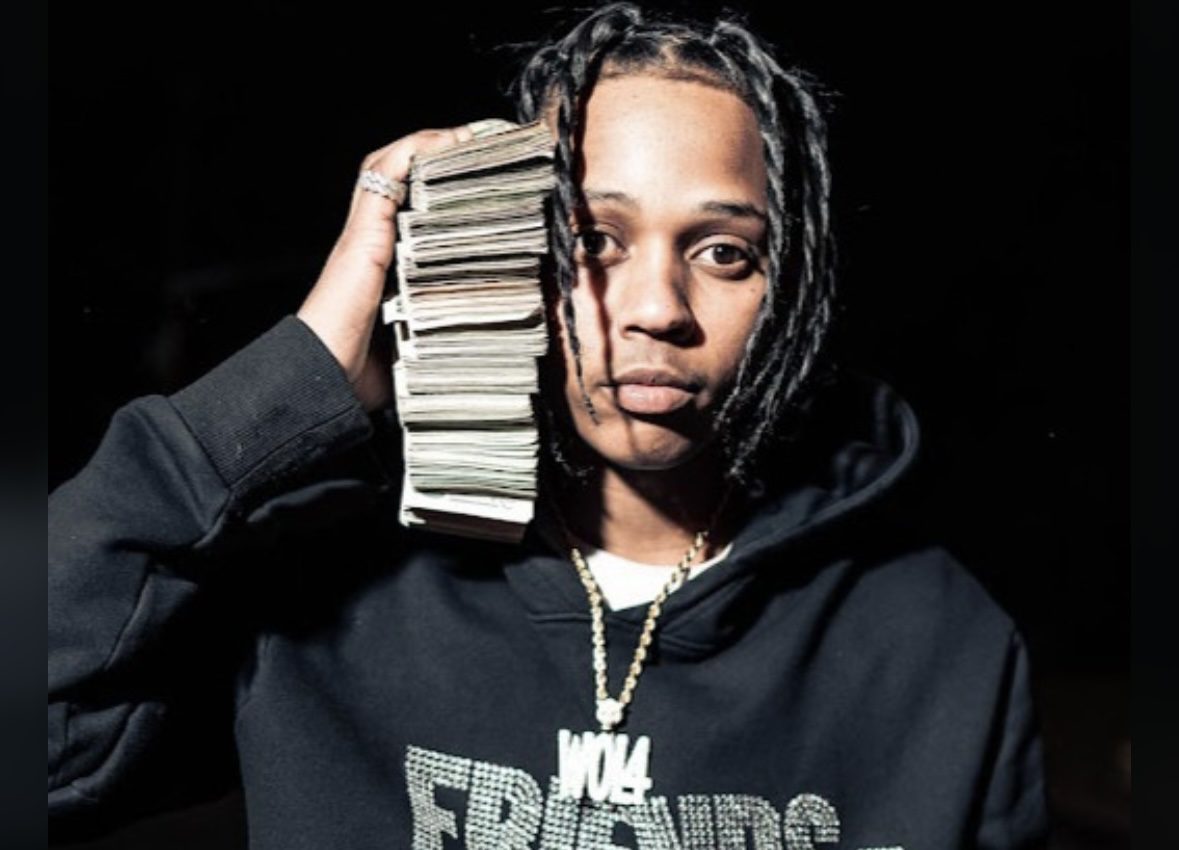
- Dougie B’s “Brotherly Love” (feat. Kay Flock & B-Lovee). Dougie B is an unpredictable member of the music scene. He doesn’t have a lot of solo material, but in collaborations like this track, he creates pure chaos and hype.
- B-Lovee’s “IYKYK.” Just when it seemed that interest in sampled drill was fading, B-Lovee released “IYKYK”—a track with explosive energy based on a sweet Wayne Wonder sample. A potential anthem not just for the Bronx but for beyond its borders.
These tracks and artists illustrate the diversity of modern hip-hop and rap. They prove that these genres always have room to grow and still have what it takes to surprise even the most discerning listener. So, we’re waiting for the next new subgenre; there’s no doubt it’s just around the corner.