


He’s a legendary rapper from the South Bronx and one of hip-hop’s first Latino superstars. He’s released 13 albums, founded the label Terror Squad Productions, and launched the career of Big Pun. His hits like “What’s Luv?”, “Lean Back,” and “All the Way Up” have earned Grammy nominations and topped charts. We’ll explore the musical career, family life, and multifaceted personality of this artist right here on bronx-trend.com.
Childhood Memories
Fat Joe, also known as Fat Joe da Gangsta or Joey Crack, was born Joseph Antonio Cartagena. He grew up in the South Bronx, a neighborhood that shaped him as both a person and an artist. It was his older brother who introduced him to the world of the streets and hip-hop through parties and introductions to the genre’s founders, such as Grand Wizard Theodore, Funky 4 + 1, and Grandmaster Flash & the Furious Five.
Joe was born to a Puerto Rican father and a Cuban mother and grew up in the Forest Houses public housing project in the Morrisania neighborhood. Due to poverty, he had to steal from a young age. The artist himself admits he was an aggressive and hot-tempered kid. Fat Joe says that his surroundings were almost entirely African American. As a result, the music he heard at home wasn’t traditional Latin music; it was Gloria Gaynor, Stephanie Mills, and hits from disco, soul, and R&B. Joe says:
“So I grew up, light hair, green eyes, knowing I was Latino, but thinking I was Black.”
This continued until he met another Latino in high school who took him to his neighborhood—only ten blocks away, but with a completely different cultural code. There, Puerto Rican flags flew, Spanish was spoken, and local African Americans even adopted Latin identity.
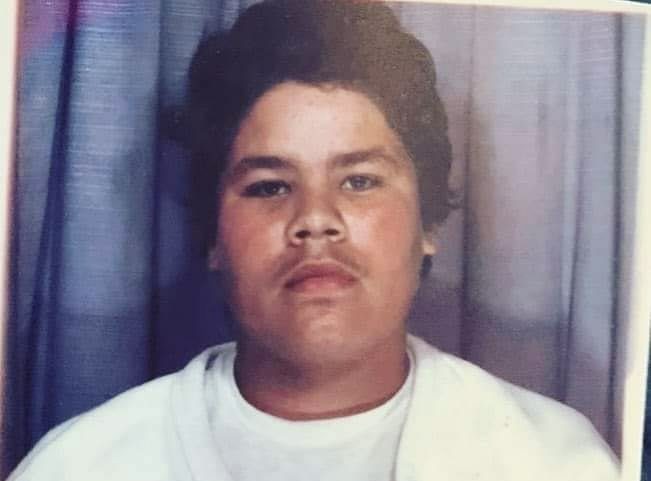
His father’s story—a Cuban man who didn’t know English—only emphasized for Joe how difficult it was to be a minority. He remembers the police arresting his father simply for not speaking the language, even though he was a law-abiding citizen with all his documents. For Joe, it was a traumatic scene to watch his father being taken away in handcuffs in the rain, all because of a language barrier.
Fat Joe has never denied his Latin heritage, but he makes it clear that his identity was shaped by the Black community in the Bronx, which made him who he is today.
Contribution to Music Culture
Fat Joe launched his solo career under the name Fat Joe da Gangsta, signing with Relativity Records. His debut album, Represent, in 1993, produced the hit “Flow Joe,” which reached number one on the Billboard Hot Rap Singles chart. His second album, Jealous One’s Envy, in 1995, had moderate success and was the moment he met Big Pun, who would later become his protégé.
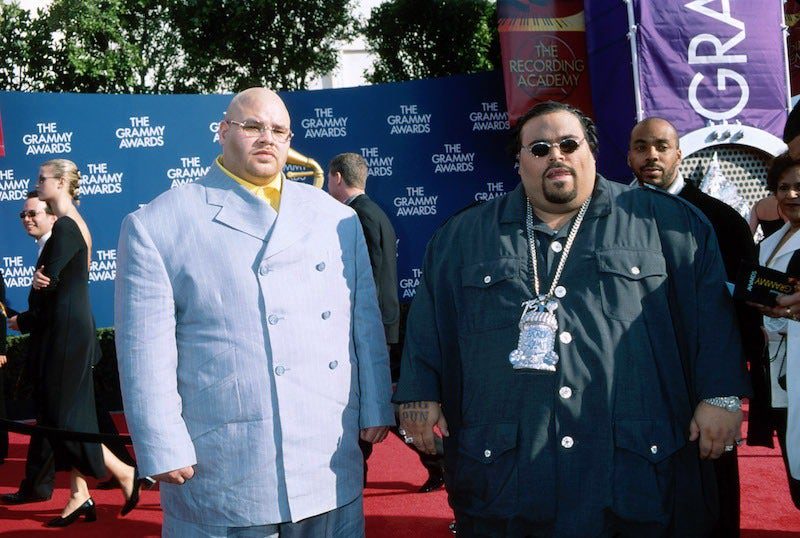
After signing with Atlantic Records, Fat Joe released his third album, Don Cartagena, in 1998, co-released with his own label, Terror Squad Productions. This album reached number seven on the Billboard 200 and number two on the Top R&B/Hip-Hop Albums chart.
The 2001 album J.O.S.E. became his most commercially successful, thanks to the hit “What’s Luv?”. It was certified platinum in America and sold over a million copies.
His fifth album, Loyalty, released a year later, was not as successful. From then on, Fat Joe’s career was a rollercoaster ride. There were ups and downs. Big hits were followed by commercially weak albums, and successful collaborations alternated with lackluster performances. But Joe never gave up and worked persistently.
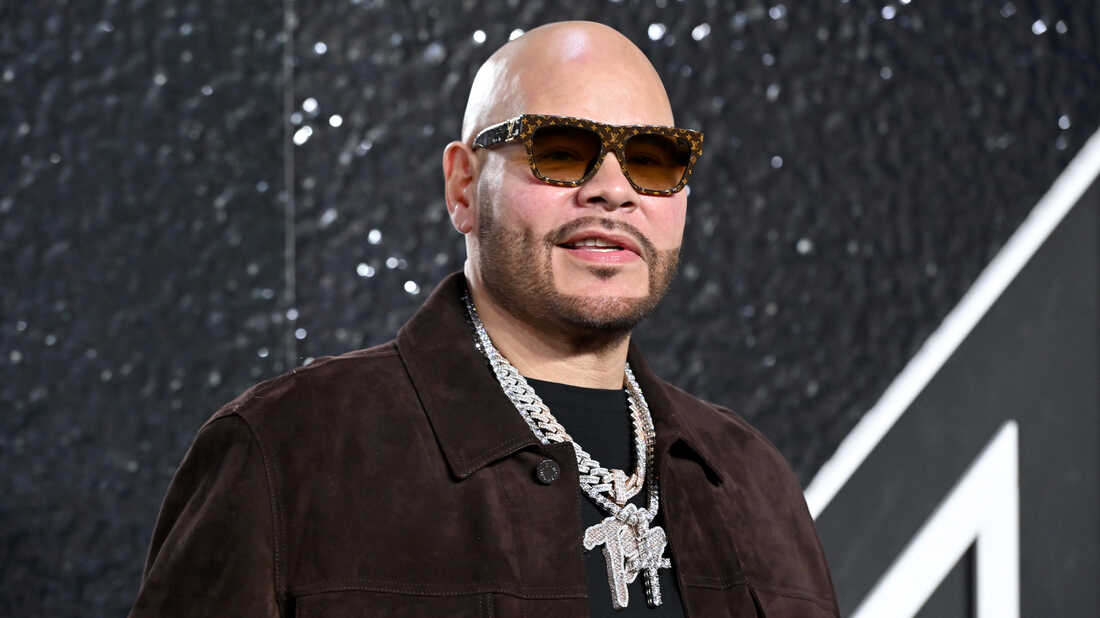
Fat Joe occasionally releases new songs and collaborates with artists like Chris Brown, Lil Wayne, and French Montana. In 2017, he released the joint album Plata O Plomo with Remy Ma, and in 2019, Family Ties with Dre. The singer often appears at various events and projects, remaining active in show business.
Life Principles and Values
In the tumultuous world of hip-hop, Fat Joe stands out for his family values, which are atypical for this community. While his friends and colleagues are getting divorced, cheating, and fighting, he has a special warmth for his family. His attitude isn’t for show; it’s a deeply personal, principled choice. Married to his wife, Lorena, since 1995, Joe talks about her, his children, and his parents as people for whom the word “no” doesn’t exist. From his mother and father to his daughter Azariah and sons Joey and Ryan, he is always ready to give everything they need. He speaks especially movingly about his eldest son, Joey, who was born when Joe was 19. Joey has Down syndrome and autism. The child’s mother couldn’t handle the responsibility and suggested putting the child up for adoption. But Joe, despite his young age, took it upon himself to raise his son.
“My mom, my dad, and I raised Joey. He’s happy. He’s a wonderful kid,” he recalls.
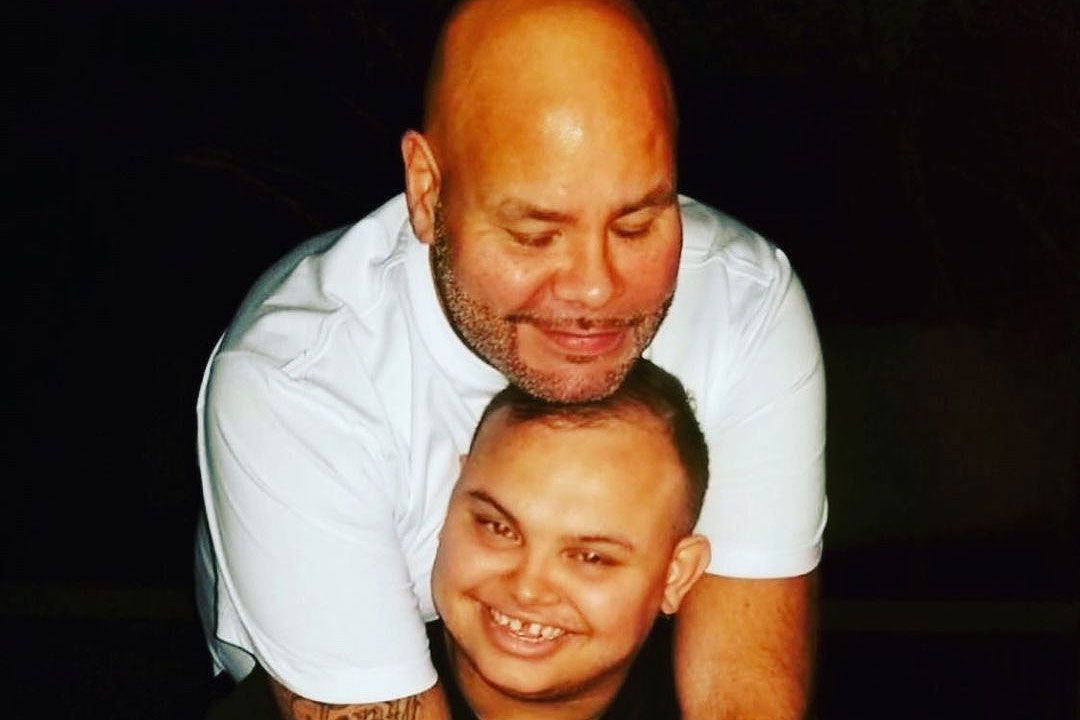
This was the beginning of Joe’s understanding that you don’t betray family. His brother struggled with drug addiction his whole life, and Fat Joe sent him to rehab 40 times and bailed him out of jail 60 times. Because, as he says himself:
“Family is everything to me. I admire families that stick together no matter what. I love when a family is together, you know?”
The singer recalls taking his daughter to a Catholic school in Miami and how other parents looked down on them because of his appearance and his status as a rapper. But years later, 90% of those parents had divorced, while he and Lorena are still together, still supporting their daughter.
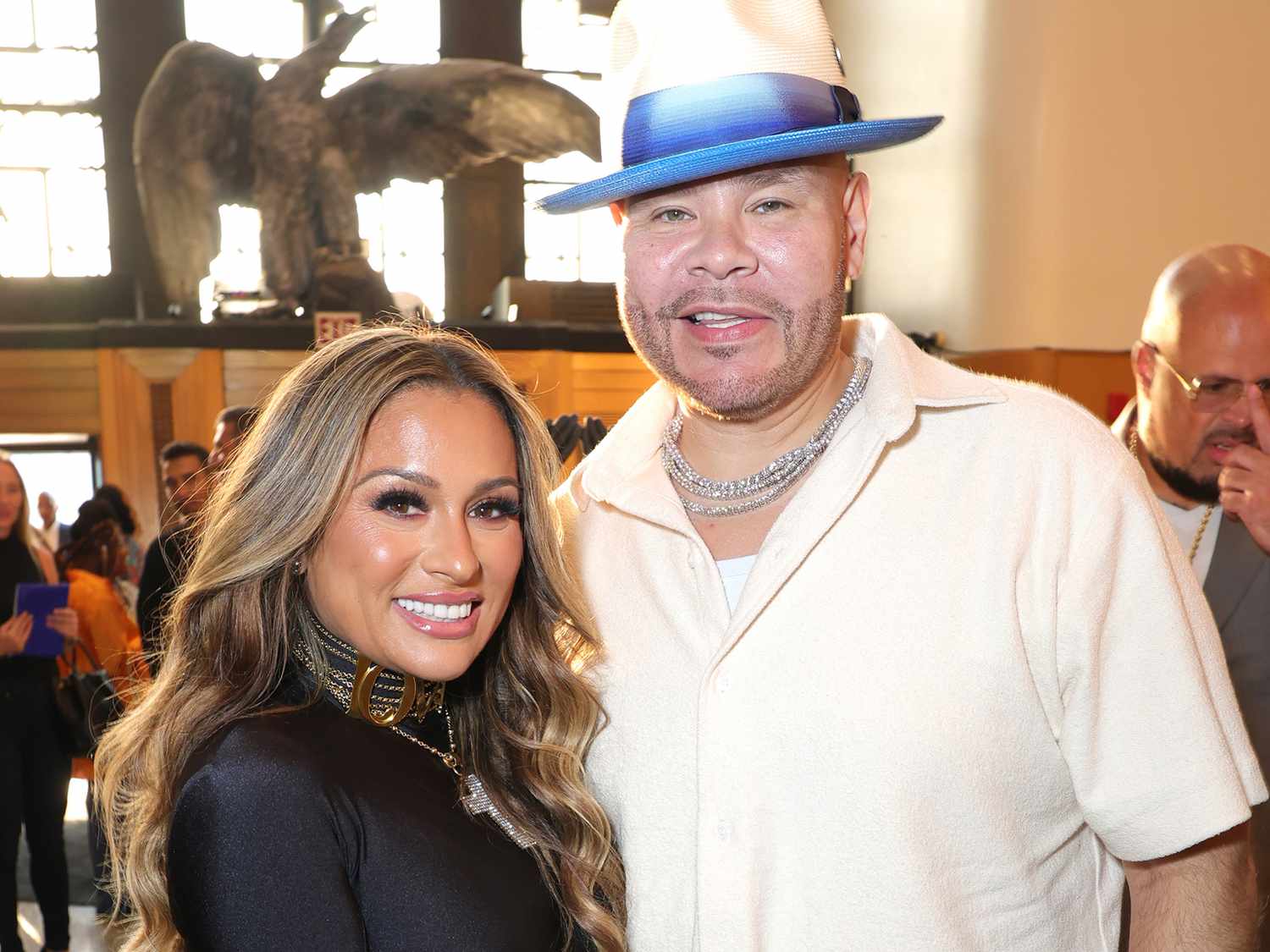
Fat Joe emphasizes that his children have always known he’s there. No matter what happens, he’s with them. And that’s the main idea of his life philosophy: love, presence, and responsibility.
The Difficult Loss of a Friend
After losing his close friend and collaborator, the rapper Big Pun, in 2000, Fat Joe went through one of the hardest periods of his life. The tragedy happened the same week he also lost his sister and grandfather. The emotional blow was so severe that Joe fell into a deep depression that lasted two years. He recalls lying in the bathtub for hours without water, just staring at the ceiling, and the sunlight seemed like darkness to him. Only therapy helped: “the coolest guy in the world,” as he saw himself back then, would sit with a psychologist for two hours every Tuesday.
The real turning point came unexpectedly—during a conversation between two strangers near a mural of Big Pun that was refreshed every year in the Bronx. One of them said, “That’s a mural of Big Pun. It’s been two years now.” And that “two years” hit Joe like a ton of bricks. He realized he had been punishing himself for two years for something that couldn’t be changed. It was then that he decided he had to move on—not just for himself but for his community, for the youth.
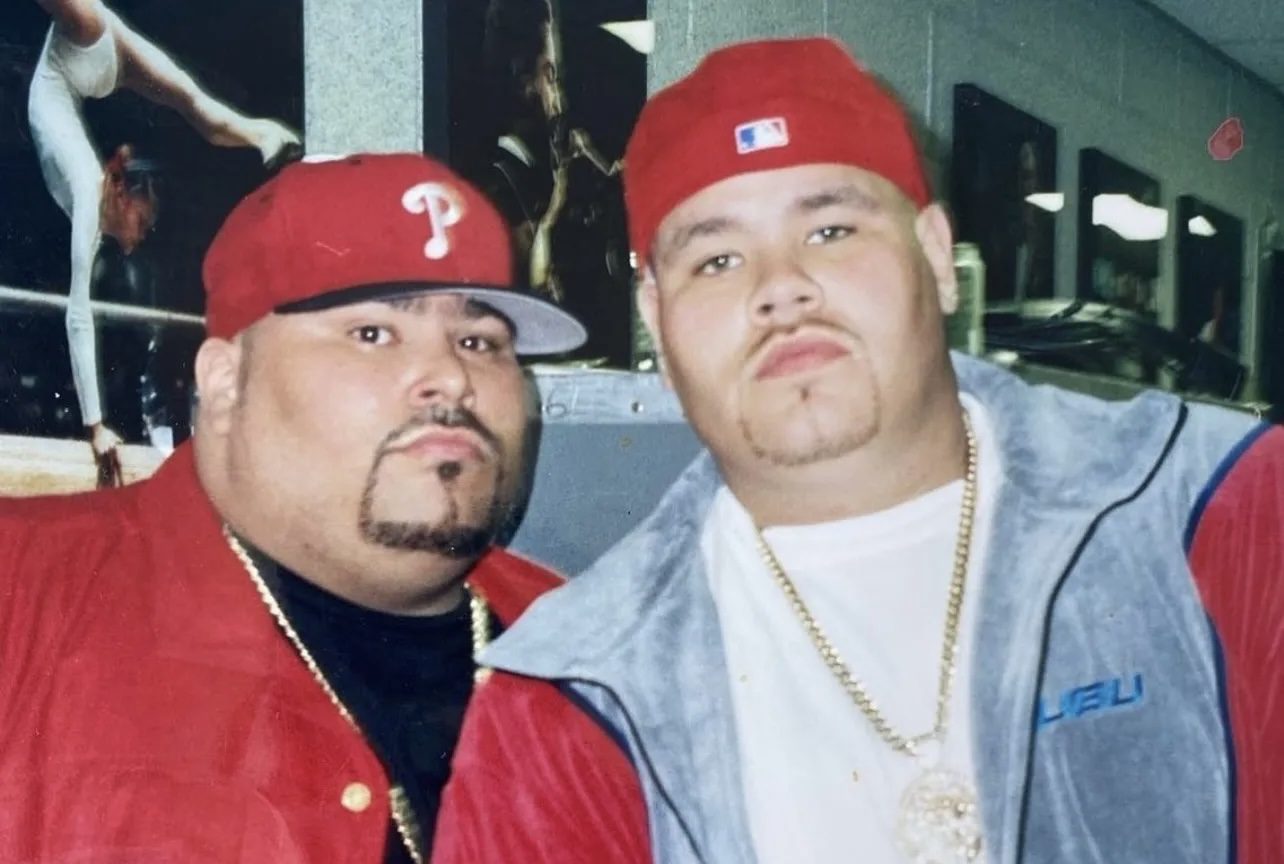
Fat Joe started taking action. He began opening businesses in the Bronx, creating educational programs, and supporting children.
“We grew up without hope,” he says. “And I want to give them hope.”
Fat Joe openly talks about his emotional vulnerability, about the “survivor’s guilt” that haunts a person who has achieved success while many from their community have died or remained in poverty. In his youth, he was generous to a fault—buying friends Cadillacs, paying rent, and flying everyone on private jets. This led to him going bankrupt three times. But he always bounced back, “by a miracle,” as he says himself.
But with age came understanding: you don’t help out of vanity, but out of responsibility. Now, Fat Joe invests in things that change lives—from charity to real businesses and educational initiatives. For example, he donated two million dollars to support victims of fires and sent four planes with food to Puerto Rico. For him, these aren’t just actions—they’re “real currency,” his way of repaying those who once had his back on the street, who didn’t turn him in to the police, who allowed him to survive.
Fat Joe knows exactly who he owes his life to. And that’s why he never forgets where he comes from.
Interesting Facts About Fat Joe’s Life
- Politics.
In 2011, Fat Joe joined Michelle Obama’s “Let’s Move!” initiative against childhood obesity, along with the mayor of Newark and a fitness expert. In 2024, he visited the White House twice: in March, to participate in a roundtable with Vice President Kamala Harris on cannabis policy reform, and on November 4, he performed at a Harris campaign rally in Pennsylvania.
- Weight.
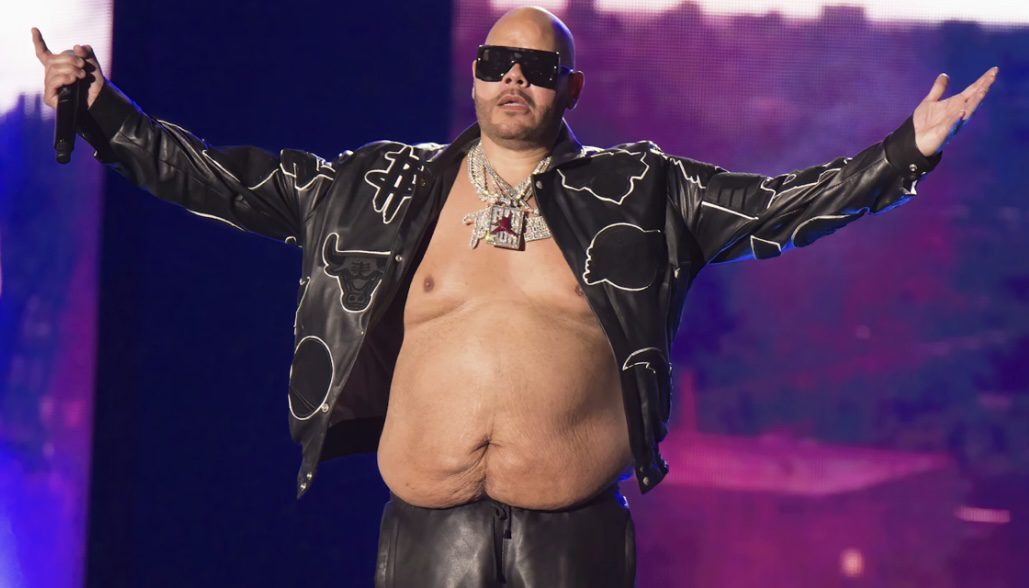
By 1996, Fat Joe weighed 308 lbs, and later reached 352 lbs. In 2011, he lost 90 lbs and debuted a new look in the music video for “Drop a Body.” He follows a low-carb diet. In 2024, he admitted to taking the drug Ozempic to manage his weight.
- Legal Troubles.
In 1998, he was arrested along with Big Pun for assault with a baseball bat. In 2002, he was arrested again after a fight, but all charges were dropped. He testified as a witness in two murder cases (in 2004 and 2007). In 2013, he served four months in prison for tax evasion on over $3 million.
- Conflict with 50 Cent.
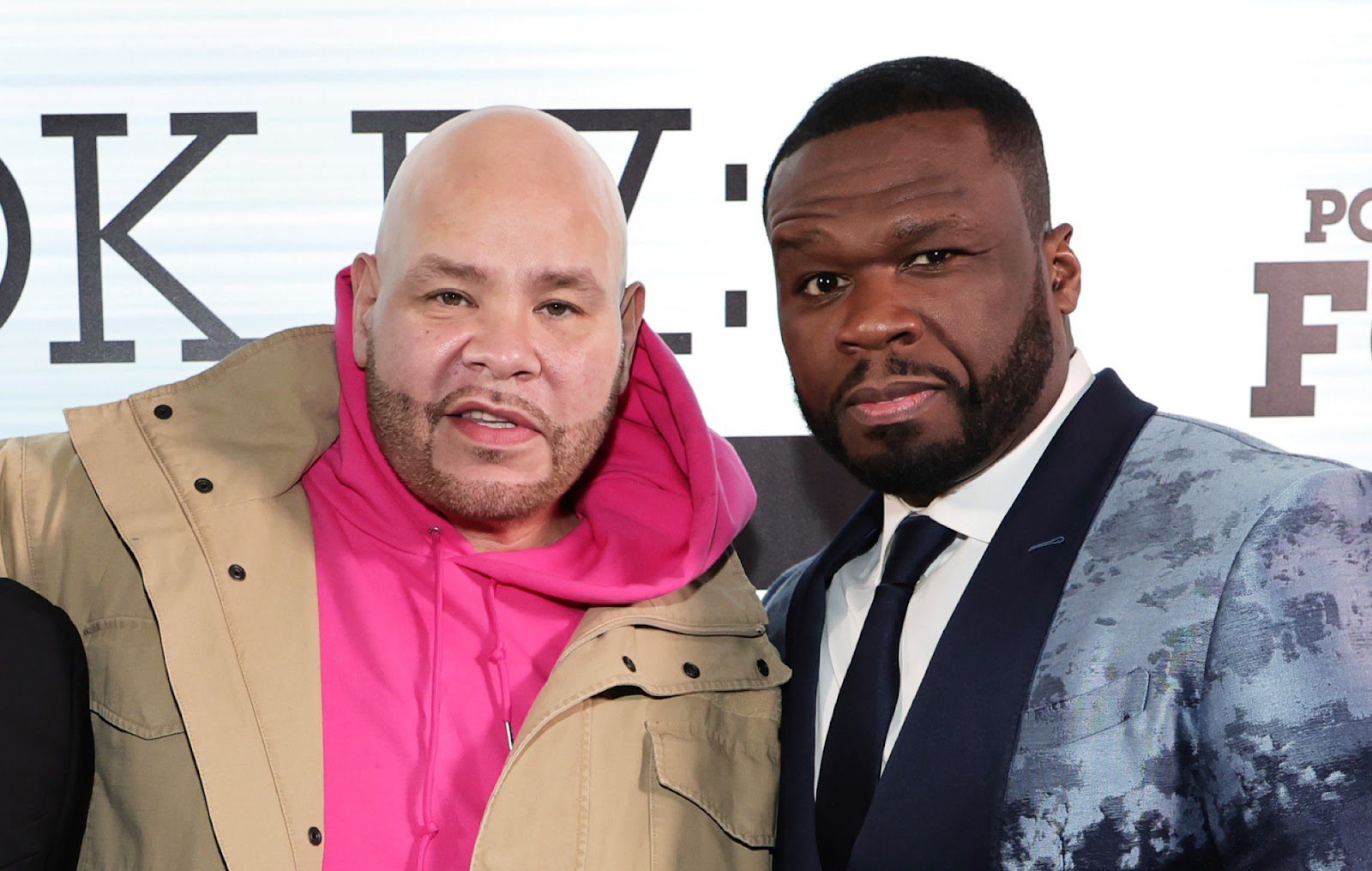
The feud began over Fat Joe’s collaboration with Ja Rule, a longtime rival of 50 Cent. This was followed by a back-and-forth of diss tracks (“Piggy Bank” and “My Fofo”), heated exchanges at the 2005 MTV VMAs, and a canceled Air Jordan contract due to the tension. The conflict cooled down after the death of their shared mentor, Chris Lighty, and they eventually became friends and business partners.
- Conflict with Cuban Link.
The conflict arose over the delayed release of Cuban Link’s debut album. He left the Terror Squad label but faced professional backlash. In 2001, a fight broke out between the rappers at a party, during which Cuban Link suffered serious facial injuries. As of 2025, the animosity between them continues.
Fat Joe’s life is like a mosaic of philanthropy, personal transformation, legal challenges, and musical drama. While he may have broken some conventional rules, his high moral character and deep life philosophy overshadow those moments.