


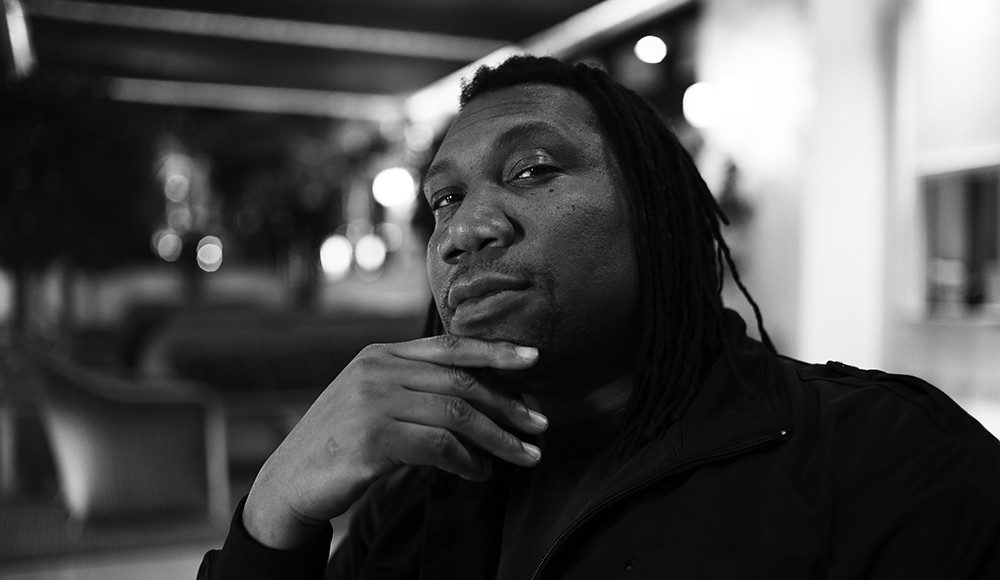
He once lived on the streets and now he gives lectures at Harvard as one of the pioneers of hip-hop culture. Music, religion, philosophy, community life, and an active social stance. The former resident of Bronx shelters, Kris Parker, successfully combines all of these. We’ll cover the fascinating life of this man right here on bronx-trend.com.
Childhood in a Shelter and a Fateful Meeting
Lawrence Kris Parker, who would later be known worldwide as KRS-One, was born on August 20, 1965, in Brooklyn. His mother, Jacqueline Jones, worked as a secretary, and his biological father, Sheffield Brown, a native of Trinidad, was a handyman. When Kris was still an infant, his father was deported and never reappeared in the family’s life.
In 1970, Jacqueline married again, to an American named John Parker, and had two more children, a son and a daughter. Young Kris took his stepfather’s surname and became Lawrence Kris Parker. But the new union didn’t bring peace to the family. John was abusive, often beating his wife and children. Jacqueline divorced him and moved with her children to the Bronx. There, she again tried to rebuild her personal life. But the situation hardly changed; her new Jamaican partner was also abusive, which led Kris to run away from home several times.
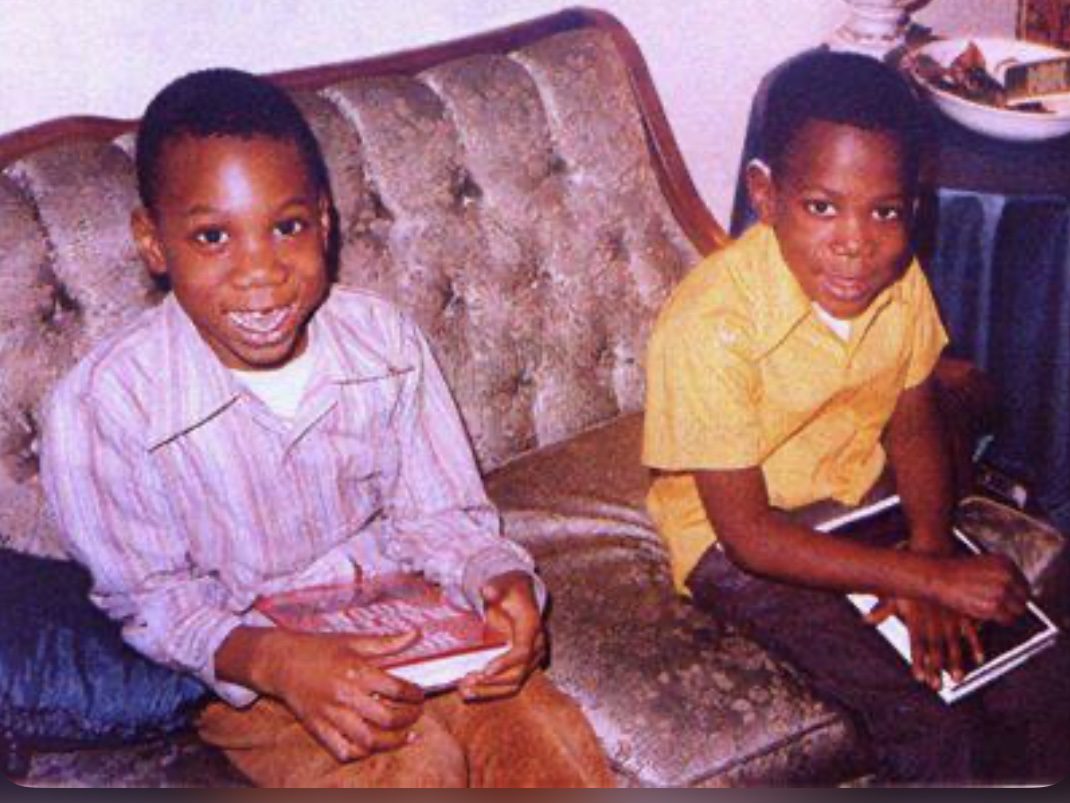
At 16, he left home for good and started living on the streets of New York, mostly in the Bronx, where hip-hop culture was just emerging. During this period, he became very interested in graffiti, art, and street philosophy. The young man signed his work with the pseudonym KRS-ONE, an acronym for “Knowledge Reigns Supreme Over Nearly Everyone.” He became increasingly engrossed in spiritual pursuits, especially the Hare Krishna teachings. This is why residents of the Franklin Avenue Armory shelter, where he ended up after living on the streets, nicknamed him “Krishna.”
In that same Bronx shelter, fate brought Kris Parker together with a social worker named Scott Sterling, a DJ who went by the name Scott La Rock. Their meeting was a turning point. Scott noticed the deep-thinking teenager with a love for knowledge and a natural poetic talent.
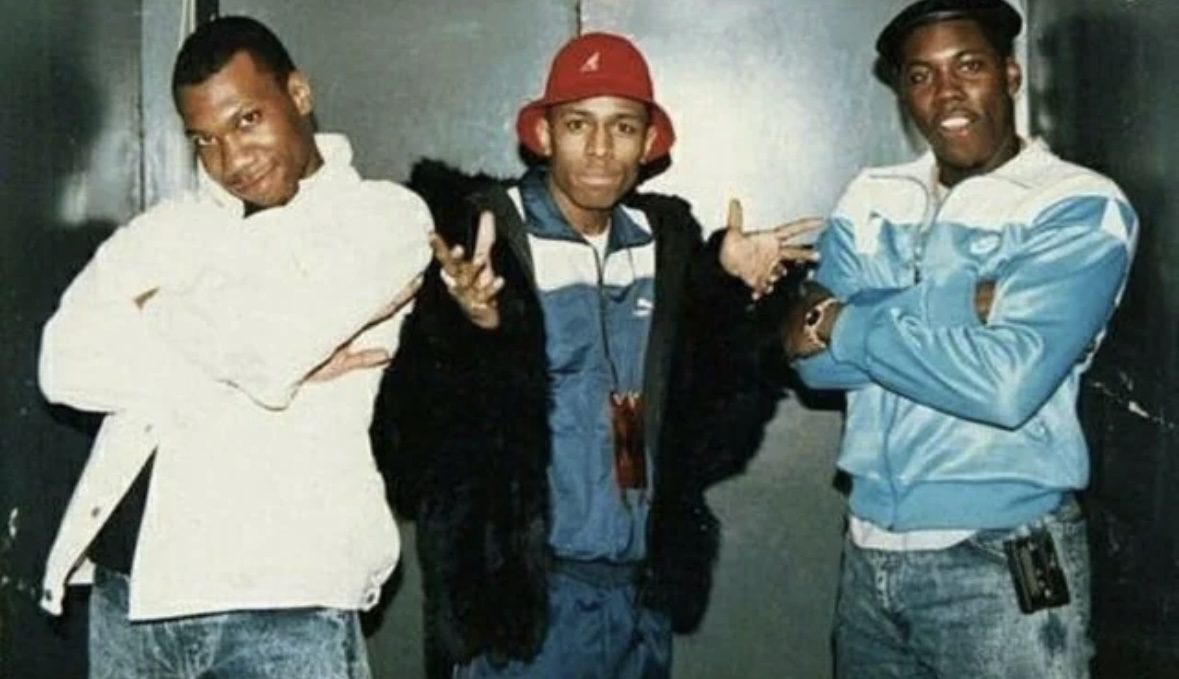
In the mid-1980s, Kris and Scott decided to form a band. Their first attempt, Scott La Rock & the Celebrity Three, included two other rappers. In 1984, the group released the track “Advance,” an atypical song for the time, focusing on the theme of nuclear threat. During that period, most rappers were writing party songs, so this social theme stood out against the general musical landscape. However, the group’s lineup quickly changed, with two members leaving and leaving behind the duo of KRS-One and Scott La Rock.
First Steps to Musical Fame
Soon, the guys decided to form a new group, naming it Boogie Down Crew—after their neighborhood, since the Bronx was often called “Boogie Down.” However, realizing the importance of creative autonomy, they quickly changed the name to Boogie Down Productions (BDP) and focused on self-production. In 1985, the group released the single “Success Is the Word,” but it didn’t have much commercial success.
The turning point was 1986, when BDP released their first real hit, the song “South Bronx.” It was a response to the track “The Bridge” by MC Shan. In “The Bridge,” the origins of hip-hop were attributed to the Queensbridge neighborhood, which KRS-One took as a slight to the Bronx—the cradle of the genre. A fierce musical rivalry, later dubbed “The Bridge Wars,” ensued. BDP responded with a series of singles, including “The Bridge Is Over” in 1987, in which KRS-One launched a devastating attack on his rivals. His live performance against MC Shan is considered one of the first true battles in hip-hop, where the main goal was not just to entertain the audience but to win a rhyming duel.
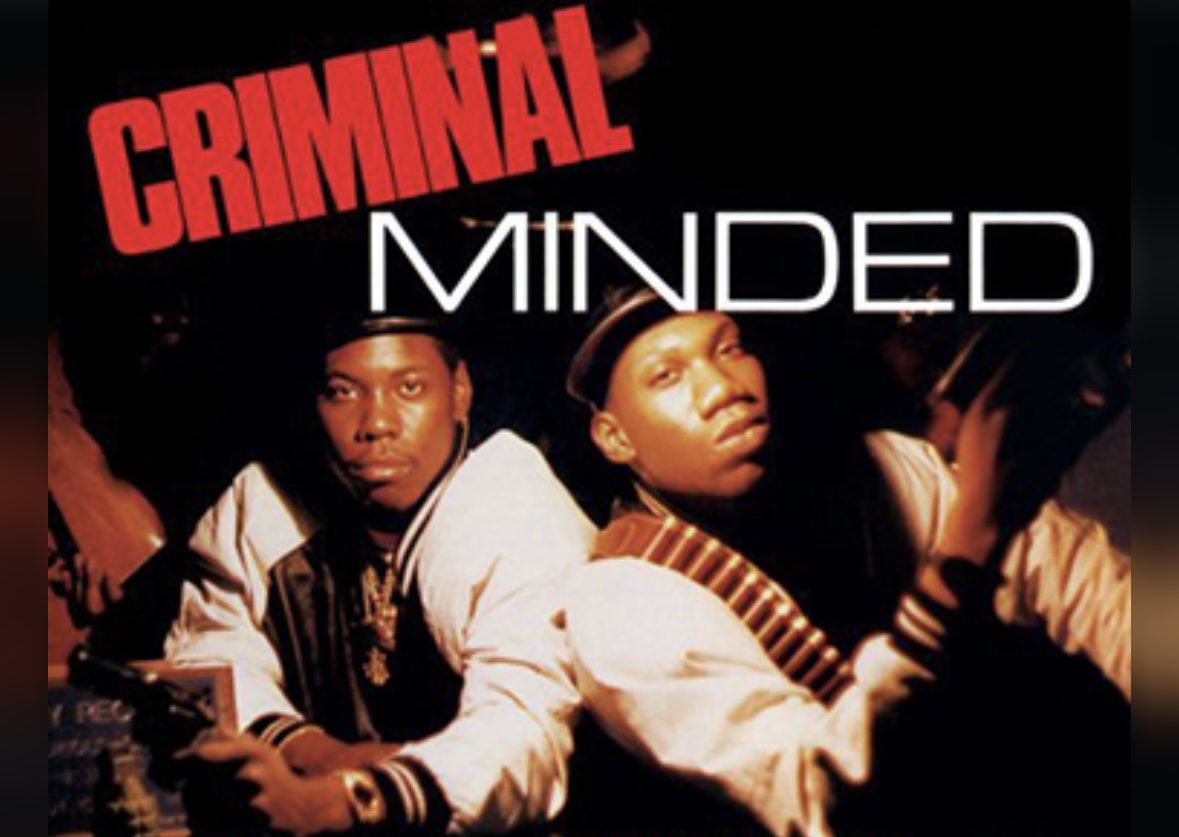
In 1987, Boogie Down Productions released their debut album, Criminal Minded—a raw, street-oriented, and influential release that ushered in a new era of rap music. The cover featured KRS-One and Scott La Rock in military-style gear with firearms, which was seen as a revolutionary visual statement at the time. Despite its underground status, the album sold several hundred thousand copies, gained recognition, and changed the course of the genre.
But that same year, the band suffered a terrible loss. Scott La Rock was shot and killed while trying to de-escalate a conflict between BDP member D-Nice and a group of local teenagers. This tragedy only strengthened KRS-One’s resolve to carry on, not just as a rapper but as an activist and educator.
Musical and Personal Transformations
In response to the tragedy, KRS-One redefined his mission. In 1988, BDP released their second album, By All Means Necessary. From the cover, styled after a famous photo of Malcolm X, to the lyrics that addressed social justice, drugs, and education, everything pointed to a new direction for KRS-One. The album featured themes that were not previously typical for the genre: in the track “My Philosophy,” KRS-One criticized hip-hop clichés; “Illegal Business” addressed police corruption; “Jimmy” promoted safe sex; “T’cha-T’cha” celebrated hip-hop as a tool for teaching; and “Stop the Violence” called for an end to violence in the rap community. This album showed that BDP was no longer just a street group but a cultural and political mouthpiece.
The group expanded: Kris’s younger brother Kenny Parker (DJ), beatboxer D-Nice, rapper Ms. Melodie (KRS-One’s wife at the time), and others joined. However, Boogie Down Productions gradually became a platform for KRS-One’s own ideas and creativity.
In the following years, the group released several more important albums: Ghetto Music: The Blueprint of Hip Hop (1989), Edutainment (1990), Live Hardcore Worldwide (1991), and Sex and Violence (1992). Their content became deeper, more analytical, and more politicized. KRS-One also actively incorporated Jamaican influences into American rap.
In 1989, KRS-One founded the Stop the Violence Movement—a musical and social campaign aimed at fighting violence within the hip-hop community. The main project was the song “Self Destruction,” recorded with artists like Public Enemy, MC Lyte, Heavy D, Kool Moe Dee, and others. During this period, KRS-One increasingly embraced the role of “The Teacha”—an educator who shares knowledge through music. While his aggressive alter ego never fully disappeared, he more and more often called for peace, unity, and personal responsibility.
Following the success of Boogie Down Productions, KRS-One began a solo career with the album Return of the Boom Bap in 1993, collaborating with well-known producers. In the 1990s, he actively recorded albums, featuring many guest artists and experimenting with his sound. The 1997 album I Got Next became his most commercially successful, although it surprised fans with its collaborations with mainstream artists. In the 2000s, he continued to release music, including a gospel-rap album. The 2007 album Hip Hop Lives, created with Marley Marl, was a response to the claim that hip-hop was “dead.” In 2009, KRS-One released a collaborative album with Buckshot, Survival Skills, which received positive reviews. In the following years, the singer continued to perform, collaborate with various artists, and voice films and commercials. In 2020–2022, his 23rd and 24th solo albums, Between da Protests and I M A M C R U 1 2, were released.
Interesting Facts About KRS-One
- In the late 1980s, KRS-One became the first rapper to be invited to lecture at leading U.S. universities (Harvard, Stanford, Columbia, NYU) about hip-hop as a cultural phenomenon.
- KRS-One has collaborated with reggae artists (Sly & Robbie, Ziggy Marley) and even the alternative rock band R.E.M.
- In the 1990s, he founded H.E.A.L. (Human Education Against Lies)—an educational activism project.
- Another organization founded by KRS-One is the Temple of Hip-Hop. It’s an institution created to preserve hip-hop culture, combining the functions of an archive, a school, a community, and a spiritual ministry to the genre. Within this organization, the annual Hip-Hop Recognition Week (the third week of May) was established, socially conscious music was promoted, and DJs and MCs were educated on cultural responsibility.
- In his book, The Gospel of Hip Hop, KRS-One expressed the hope that in 100 years, it would become a new spiritual foundation, a kind of religion. He emphasized a direct connection to God, outside of traditional religions. This statement drew a strong public reaction, and The A.V. Club described it as an attempt to create a “hip-hop Bible.” KRS stressed that he doesn’t reject traditional religions, but believes that “their time is up.”
- In 1987, KRS-One married Ramona Scott, known as Ms. Melodie. After their divorce, he married Simone Parker. In his second marriage, KRS-One lost his stepson, Randy Parker, who committed suicide in his Atlanta apartment on July 6, 2007. He was 23.
- KRS-One’s son, Chris Parker, born in 1992, is a DJ and music producer known by the name Predator Prime.
- KRS-One is a vegan and an active advocate for the vegan lifestyle.