


Almost all theaters in the Bronx in the late 19th and early 20th centuries were part of the Theatrical Syndicate, which controlled bookings for major venues across the United States. It all started with a small organization called Klaw & Erlanger, which quickly gained control of a large chunk of the theater market in New York and beyond. In this article, bronx-trend.com will tell you about its founders and their work.
The Partners: Marc and Abraham
These two men had nothing in common. They weren’t childhood friends, didn’t go to college together, and didn’t share any mutual acquaintances. Marc Klaw was born in Kentucky in 1858, earned a law degree in Louisville, and worked as an attorney, all while pursuing his interest in theater as an amateur critic.
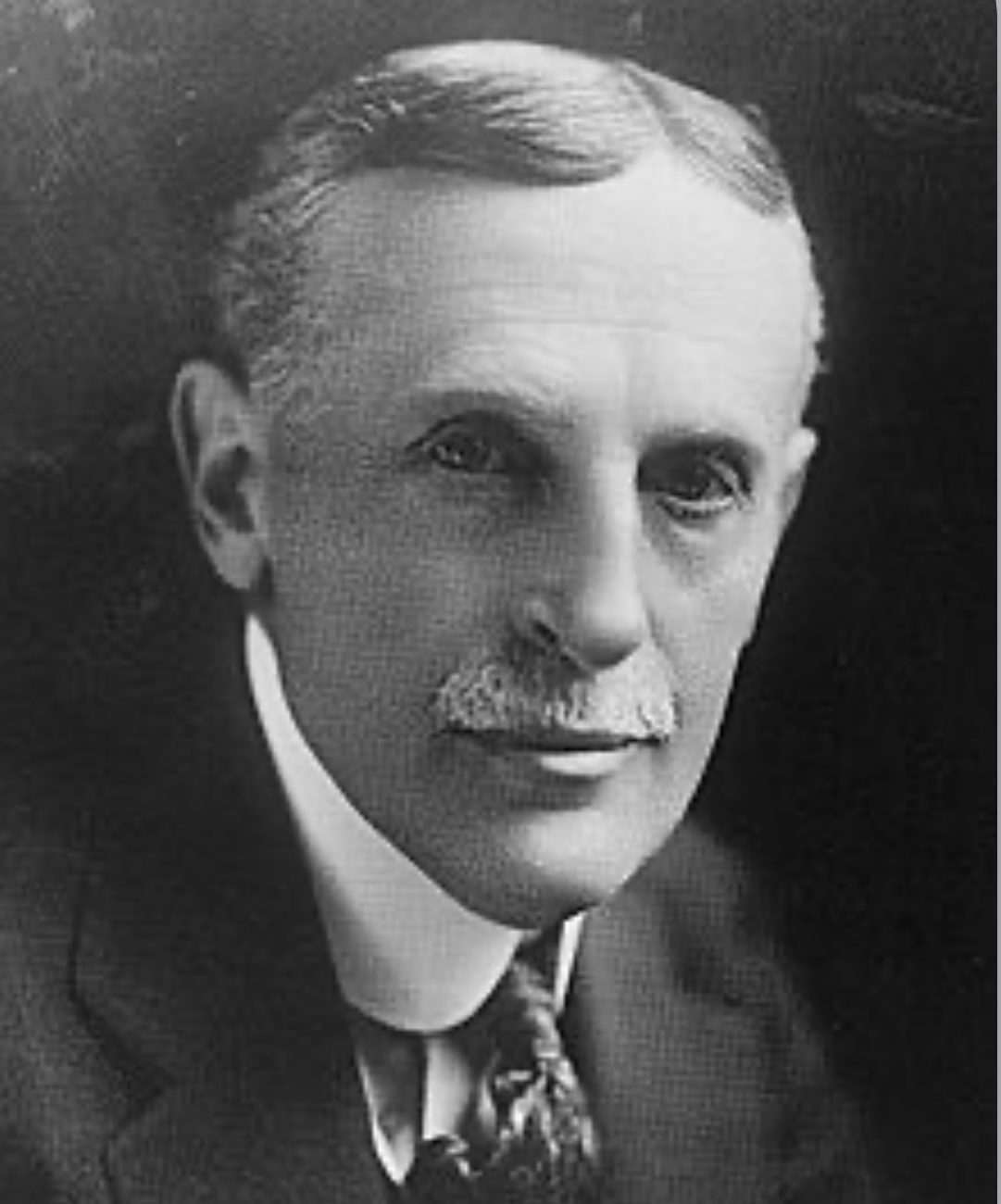
Abraham Lincoln Erlanger, a namesake of the famous American president, was from Cleveland and two years younger than Klaw. Erlanger worked as a theatrical tour manager and was known for his strong personality and reputation as a tough businessman. The only thing they had in common was that they were both the children of Jewish immigrants.
Their fateful meeting took place in San Antonio in 1888. Sometimes you meet someone for the first time and it feels like you’ve known them your whole life. This was one of those times. Both men had big ambitions and a shared passion for the theater. After a few meetings, Klaw and Erlanger decided to buy Taylor’s New York theatrical exchange. From there, things took off at a crazy speed. Thanks to Klaw’s connections with theater owners, Marc and Abraham quickly gained control over the touring routes in the American South and strengthened their presence in New York. Their business also included theater productions and related ventures—an opera troupe, a costume company, and a construction firm.
Another shared trait that brought Klaw and Erlanger together was their distance from the Jewish community. They both avoided participating in Jewish organizations and didn’t show a preference for hiring Jews, as others often did. Despite their formal affiliation with Jewish communities, their family life was not religious. For example, Marc only once took part in a traditional Shabbat during his travels.
Both men also married non-Jewish women from the theater world. Erlanger’s wife, the English actress Louise Balfe, had a scandalous past and left the stage after their wedding to dedicate herself to philanthropy. The couple divorced in 1912 due to Erlanger’s multiple infidelities. They had no children.
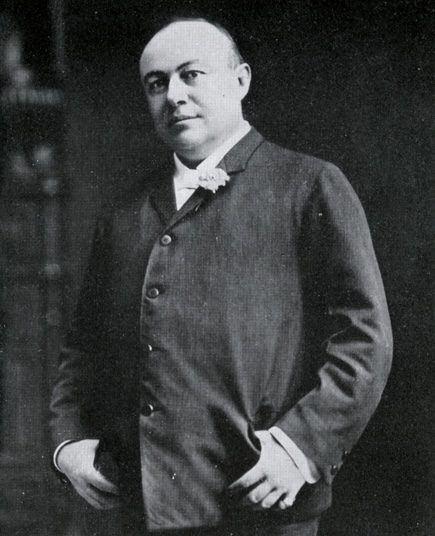
Klaw’s wife, Nettie, was the daughter of a theatrical manager and a former actress. They had three children together, two of whom also chose careers in theater, though they didn’t reach their father’s level of success.
The Creation of the Theatrical Syndicate
In 1896, Klaw and Erlanger, along with Charles Frohman, J. Fred Zimmerman Sr., Samuel Nixon, and Al Hayman, founded the Theatrical Syndicate. This organization sought to centralize and standardize tour bookings across the United States. They created an efficient system for scheduling shows that replaced the chaotic and disorganized practices that existed before. However, the Syndicate’s monopolistic model was heavily criticized and actively challenged by rivals, notably the Shubert brothers, who advocated for an “independent theater” and contributed to breaking the Syndicate’s control over the market. They were supported by many artists, including the prominent actor Richard Mansfield and the husband-and-wife duo Harrison and Minnie Fiske.
Although the Syndicate’s monopoly was effectively destroyed by 1910, it continued to operate. In 1915, Klaw and Erlanger even tried to enter the film market. After their partnership dissolved in 1919, Klaw opened his own Broadway theater in 1921, while Erlanger remained a leading figure in the Theatrical Syndicate until 1924. At that point, he decided to take complete control, having grown tired of managing the organization on his own while sharing profits with the descendants of the other founders.
A Theatrical Empire
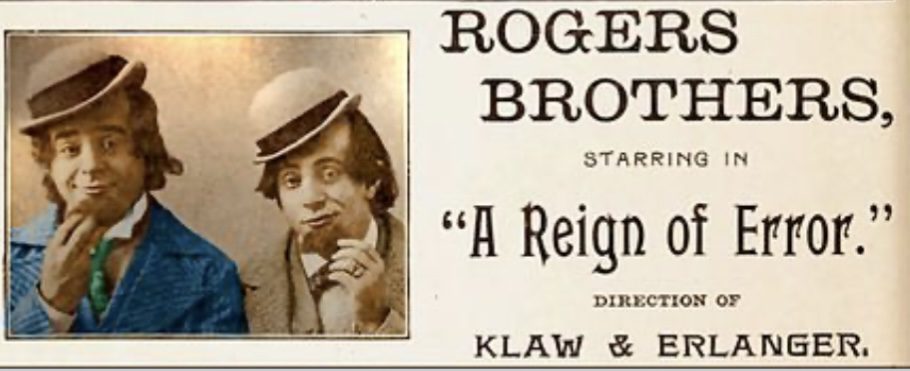
Klaw and Erlanger ran a vast theatrical empire that included booking operations for over 500 theaters nationwide, regular productions on Broadway, direct ownership of several theaters in New York and New Orleans, and the construction of new venues. The most successful of their projects was the New Amsterdam Theatre, which opened on October 23, 1903. The theater seated 1,702, was the largest on Broadway, and served as the company’s headquarters. In 1904, the Aerial Gardens theater opened on its roof, known for its see-through staircase, where the famous Ziegfeld Follies shows were later staged.
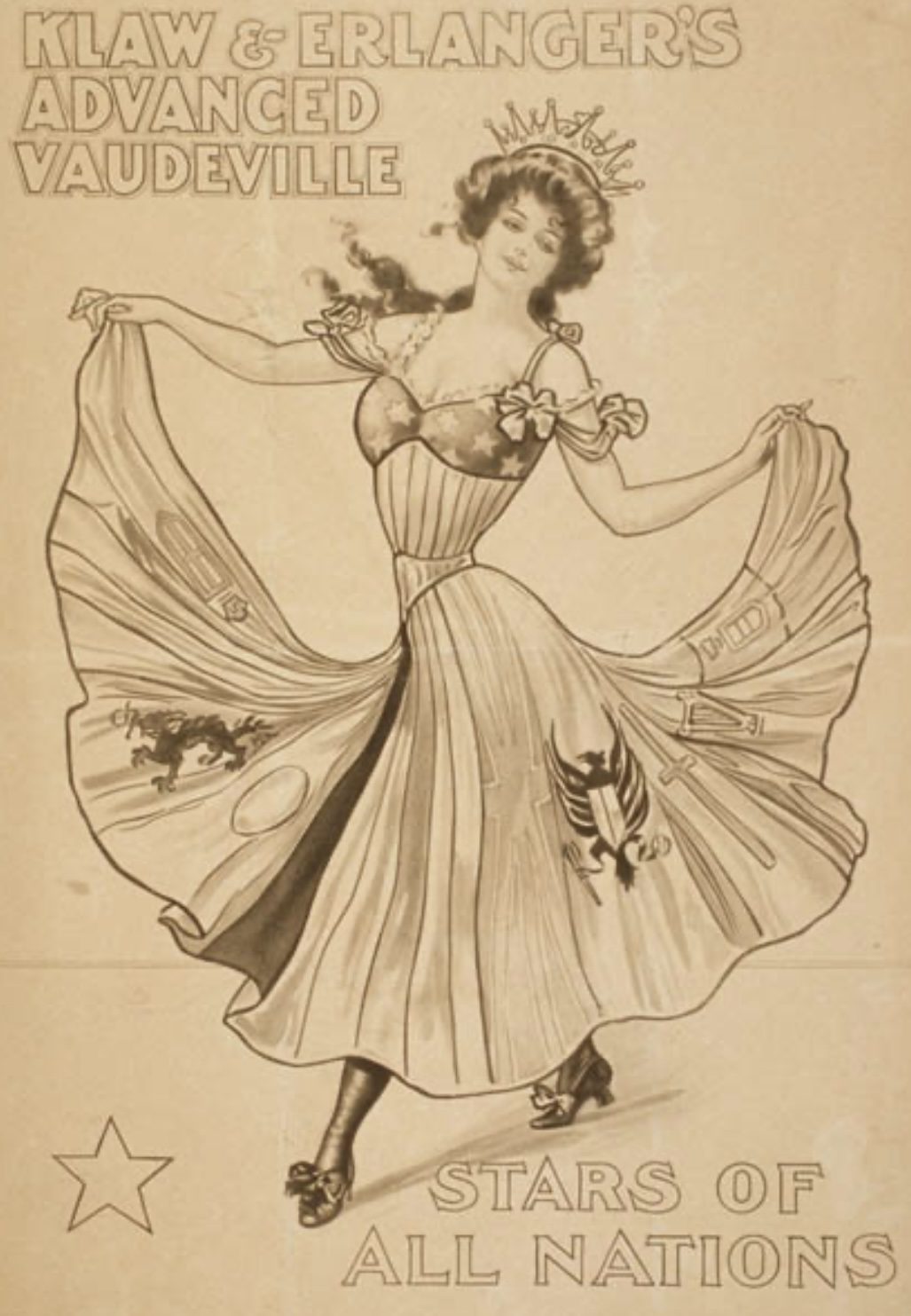
The main focus of Klaw and Erlanger’s business was serious dramatic theater (the so-called “legitimate theater”), not vaudeville, which had its own network of theaters and a centralized booking system run by E.F. Albee’s United Booking Office. However, as is often the case in the world of art and big money, ambitious expansion and greed led to competitive battles and behind-the-scenes schemes. In 1907, Klaw and Erlanger, in partnership with the Shubert brothers (the very ones who had criticized and condemned the Syndicate’s activities), attempted to enter the vaudeville market. They founded the United States Amusement Company with $100 million in capital, promoting a new approach called “Advanced Vaudeville.” But just seven months later, they sold the company to Albee and agreed not to re-enter the business for the next decade, earning $250,000 in the process.
By World War I, Klaw & Erlanger had become the most influential theatrical company in the world.
The Iroquois Theatre Tragedy and Lawsuits
But Klaw & Erlanger’s career was not without its struggles. One of the most critical moments, which almost caused the organization’s collapse, was a horrific fire that occurred on December 30, 1903, in Chicago during a performance of the popular musical “Mr. Bluebeard” at the Iroquois Theatre. Although the venue was designed to seat 1,602, it held more than 2,100 people, with aisles filled with standing spectators, which made evacuation nearly impossible.
Around 3:15 p.m., during the second act, a spark from a lamp ignited a highly flammable curtain. The fire quickly spread to the scenery, and attempts to put it out were useless. The fire curtain failed to drop, getting stuck instead. Actor Eddie Foy tried to calm the audience, but after some acetylene tanks exploded, the lights went out, and a panic ensued.
Most of the emergency exits were either blocked or hidden, and some had complex locking mechanisms. The fire rapidly spread to the audience area, especially to the upper levels, where most of the deaths occurred. People jumped from great heights, hoping to save themselves but injuring themselves and others.
Students from a nearby university managed to raise ladders and rescue a few people. Firefighters arrived late, and the narrow streets complicated the rescue operation. Many people died from asphyxiation or suffered fatal burns just inches from the exits.
The fire was one of the worst tragedies in theater history, claiming over 600 lives. The next day, accusations were leveled at Klaw and Erlanger, who had a partial ownership stake in the Iroquois, were responsible for its bookings, and were the producers of the show. Attorney Levy Mayer defended them in numerous civil and criminal proceedings. In January 1904, Life magazine published a caricature showing a skeleton in a Bluebeard costume standing by a locked door, with the caption: “Messrs. Klaw and Erlanger present Mr. Bluebeard, deceased, of the Iroquois Theatre.”
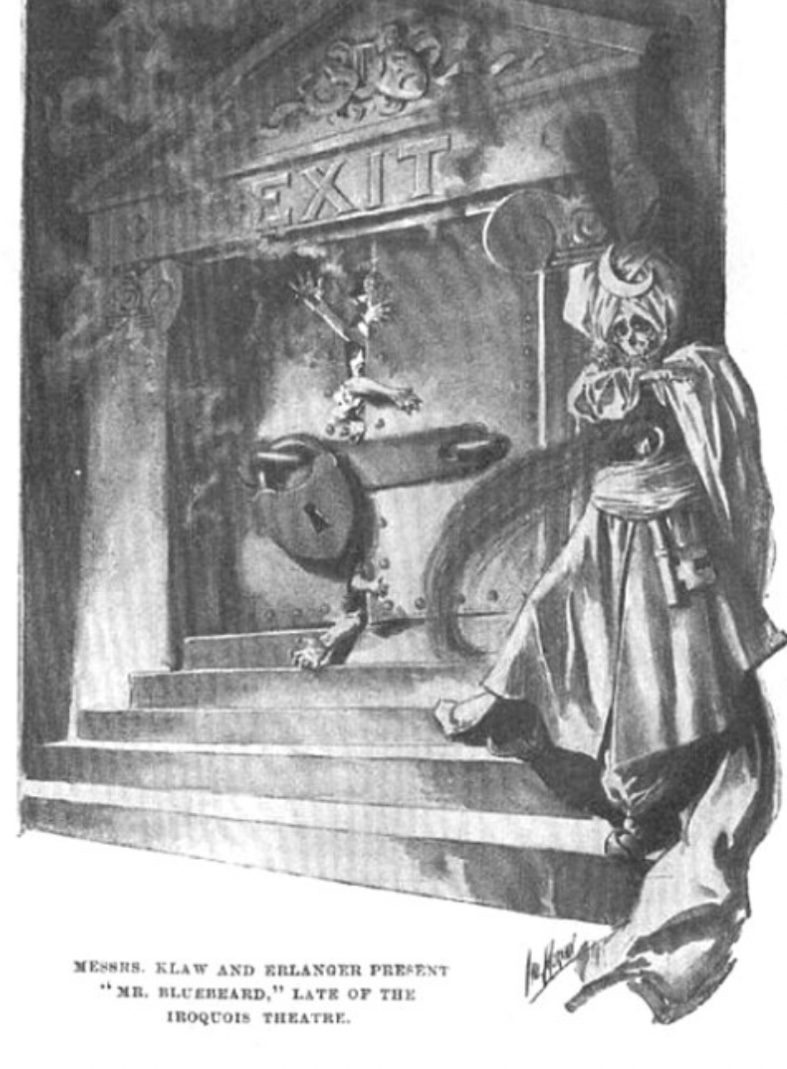
The partners sued the magazine for libel for $100,000, but the jury dismissed the case after five minutes of deliberation.
The Fall of an Empire
Despite all the difficulties, Klaw & Erlanger remained influential players in the theater market until 1919, when their partnership finally dissolved after a bitter conflict. In thirty years of working together, they completely transformed the theatrical industry, which had previously been disorganized and chaotic. They implemented a clear management system that allowed them to achieve a level of influence where shows were distributed and sold almost like regular commercial goods. Their example was followed by other theater professionals and future leaders of the film industry. The humble Jewish immigrants had fulfilled the American dream and left a legacy for generations to come.
Erlanger was even nicknamed the “Napoleon of the theater”—and for good reason. He collected items related to Napoleon, decorated his office in the style of the French emperor, collected autographs, engravings, and furniture, and often posed for photos in Napoleonic stances.
Although Klaw and Erlanger won many of their “battles,” they lost the final war for the theater. Today, they are rarely mentioned. Ironically, the archive of their company, which lay forgotten for years in the basement of a New York theater, was eventually preserved by the Shubert Organization—the very company founded by their former rivals. Nevertheless, it’s hard to imagine modern American theater or even the film industry without the influence of Klaw and Erlanger.