


The play Fine Feathers had a complicated history—from numerous name and genre changes to financial success on stage and a wave of lawsuits that ran parallel to its tour. Its many adaptations, the public’s response, and the disputes over its copyright only underscore how deeply this story resonated with the American public in the early 20th century. The story of the play’s creation, its profound message, its success, and the legal turmoil that surrounded it will be told by bronx-trend.com.
The Story Behind the Writing and the Long Search for the Perfect Form
Before it made it to American stages, the play Fine Feathers had a long journey. It all started when Walter Hackett wrote a piece called “C.O.D.” Since the writer owed the Algonquin Hotel $3,000 for his stay, he made an arrangement with the hotel’s manager, Frank M. Case, that Case would receive 25% of the play’s profits instead of the debt. Hackett had already had legal troubles, so he decided not to risk it this time. Four years earlier, he had landed in jail for trying to pay for his stay with forged checks at a hotel on Staten Island. He didn’t want to go back to prison, but he also had no money. So Walter assured Case that the show would be very successful and they would both make a good profit. Eugene Walter was brought in to prepare the play for the public.
The production, then titled “Fads and Frills,” was first attempted by Charles Dillingham in 1910, but the show only lasted three weeks. Then, it was taken on by the “theater veterans,” Sam and Lee Shubert, under a new name, “Home.” The premiere took place on January 28, 1911, at Daly’s Theatre in New York, after which the show was taken on tour. However, the project was a financial failure and was shut down. In March 1911, a new production was announced—this time starring Margaret Illington. At the same time, news emerged that Walter had again changed the play’s name to “Mrs. Maxwell’s Mistake.”
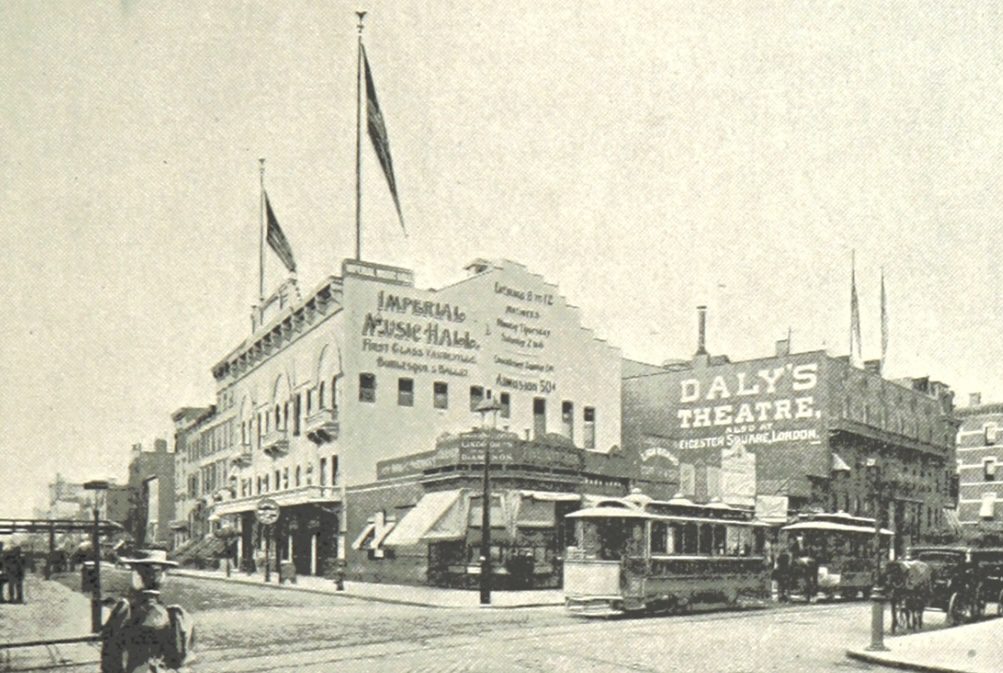
The play debuted on Broadway on April 24, 1911, at the Maxine Elliott Theatre, but again, without success.
No one could understand why. Both Eugene Walter and the Shubert brothers were seasoned theater professionals and felt that the production was truly talented, the plot was original, and the dramaturgy was professional. It was unclear why audiences didn’t respond to the play. After a series of failures, Walter decided to transform the comedy into a drama. While on a train trip from Chicago to New York, he met theater agent Harry Frazee. Frazee was impressed by the new version of the play, which had once again been renamed to Fine Feathers. Frazee offered Walter a lucrative contract and money if he would allow him to make his own edits to the show.
Walter, inspired by Frazee’s support, believed in the potential for success. He reached out to Frank Case, who still had the right to 25% of the royalties, and on June 4, 1912, they made a new agreement. Case transferred all his rights to the play for $200 because he had grown tired of the empty promises of wild success and wanted to get at least something. But it was a mistake on his part…
The Plot of the Play
Fine Feathers was first performed on August 12, 1912, at the Cort Theatre in Chicago. The main actors listed were: John Brand—a cynical businessman, Robert (Bob) Reynolds—a simple clerk, Dick Meade—a friend, Jane Reynolds—Bob’s wife, Mrs. Collins—a neighbor, and Frieda—a maid and nurse.
It was a story about an ordinary family. Bob Reynolds earned only $25 a week and tried to maintain a small bungalow on Staten Island. His wife, Jane, felt she had made a poor marriage and deserved a better life. When their old acquaintance, John Brand, a wealthy businessman, offered Bob a $40,000 bribe to participate in a cement fraud during the construction of a dam, Bob refused. But Jane, who sees her husband as weak because of his integrity, secretly makes a deal with Brand and tries to convince Bob to accept the offer.
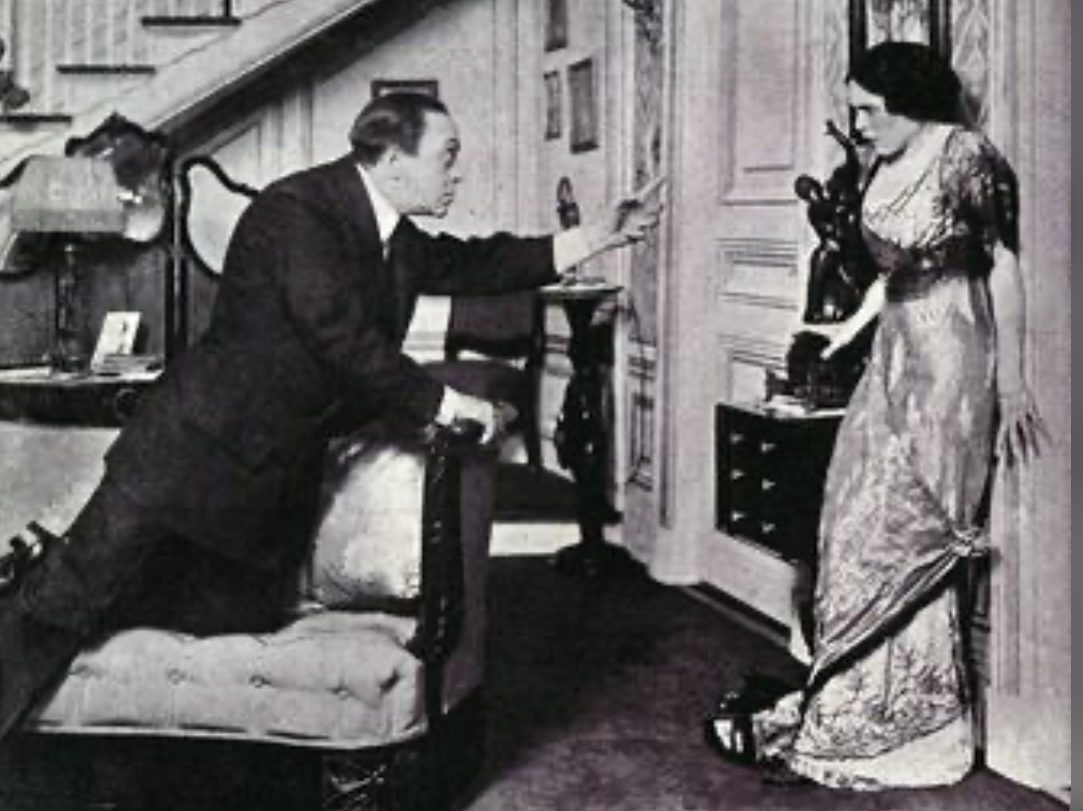
Despite his doubts, Bob eventually gives in. Five years later, the couple is living in a luxurious house on Long Island, but Bob has to pay a heavy price for the deal. He starts gambling and speculating, loses money, and is drowning in debt. In despair and under the influence of alcohol, Bob blames Brand for ruining his life and threatens to expose him. Brand mocks him and hints that Jane would also suffer if he did. Bob remains silent, but he gets worse every day. This crisis finally forces Jane to realize the consequences of their dishonest deal. The couple decides to start over and never participate in any schemes again. But then terrible news arrives: the dam, built with subpar cement, has collapsed, taking many lives. This is the last straw… In the final scene, tormented by his conscience, Bob calls the police, asking them to send an officer to their home. The lights suddenly go out, a shot rings out, and Jane falls to the sofa, screaming in despair.
The Play’s Success and the Lawsuits It Triggered
Holding their breath, Frazee and Walter waited for the public’s reaction after the Chicago premiere. And it finally happened! The audience was thrilled; men applauded respectfully, and women wiped away tears, moved by the dramatic resolution. Critics also reviewed Fine Feathers positively and predicted success for the play on other theater stages.
Thanks to the positive reception, the show moved to Broadway, where it opened on January 7, 1913, at the Astor Theatre in New York. It ran successfully for ten weeks.
After Broadway, a national tour began:
- May 5, 1913 — MacDonough Theatre in Oakland, California (three-day run);
- June 1, 1913 — Heilig Theatre in Portland, Oregon (four-day run);
- June 26, 1913 — Auditorium in Spokane, Washington (three days);
- August 30, 1913 — Bronx Opera House, New York (week-long run);
- October 9, 1913 — Turner Theatre in New Ulm, Minnesota (one performance).
This touring period shows that the play had a wide geographic reach and generated interest in various regions of the U.S.
After its stage success, Eugene Walter’s play Fine Feathers received several adaptations in different art forms—from burlesque and opera to prose and film.
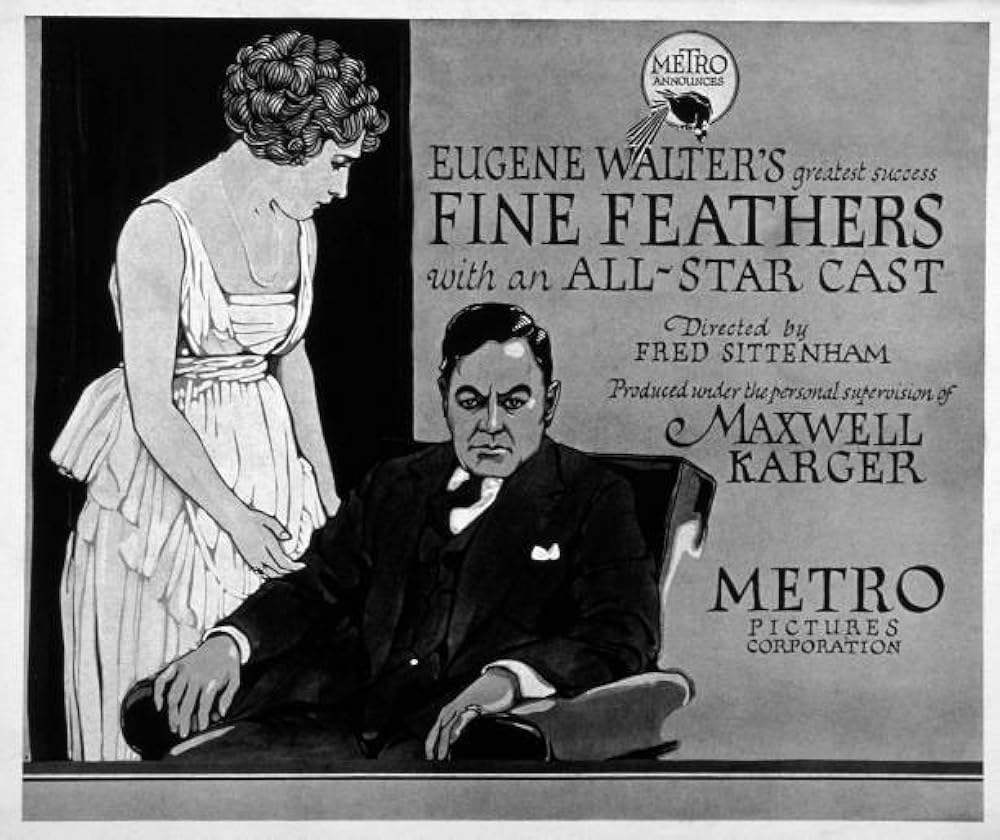
But along with the success came problems and numerous legal disputes due to the play’s convoluted creation history.
On March 7, 1913, Frank M. Case, who had once agreed to a share of royalties to cover Walter Hackett’s debt at the Algonquin Hotel, sued Eugene Walter. He demanded $2,000—his share of the show’s profits. The hotel manager had realized he had given up too soon, but it was too late.
On March 10, 1913, Lee Shubert, one of the most influential theater producers, filed a lawsuit for $50,000, accusing Eugene Walter of breach of contract. Shubert believed that his contract to produce the earlier version of the play, “Home,” gave him rights to its subsequent modifications, including Fine Feathers.
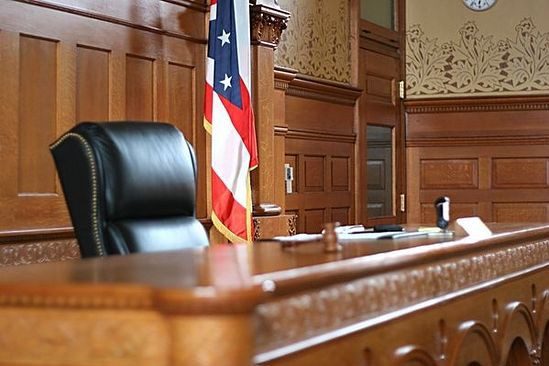
In April 1913, Walter Hackett, the author of the original “C.O.D.” script, went to court to demand that the performance of Fine Feathers be stopped, claiming he was a co-author and had rights to the play. In July, Hackett and Walter teamed up and filed a countersuit against Frank M. Case. They demanded that he officially renounce his claims to a share of the royalties, which had already been bought out for $200.
The Bronx Premiere
The play Fine Feathers was the first show to open the Bronx Opera House on August 30, 1913. The event attracted a lot of attention and became a cultural sensation for the borough. The evening turned into a true high-society affair: countless cars brought an elegant crowd in expensive attire, creating an atmosphere similar to Broadway.
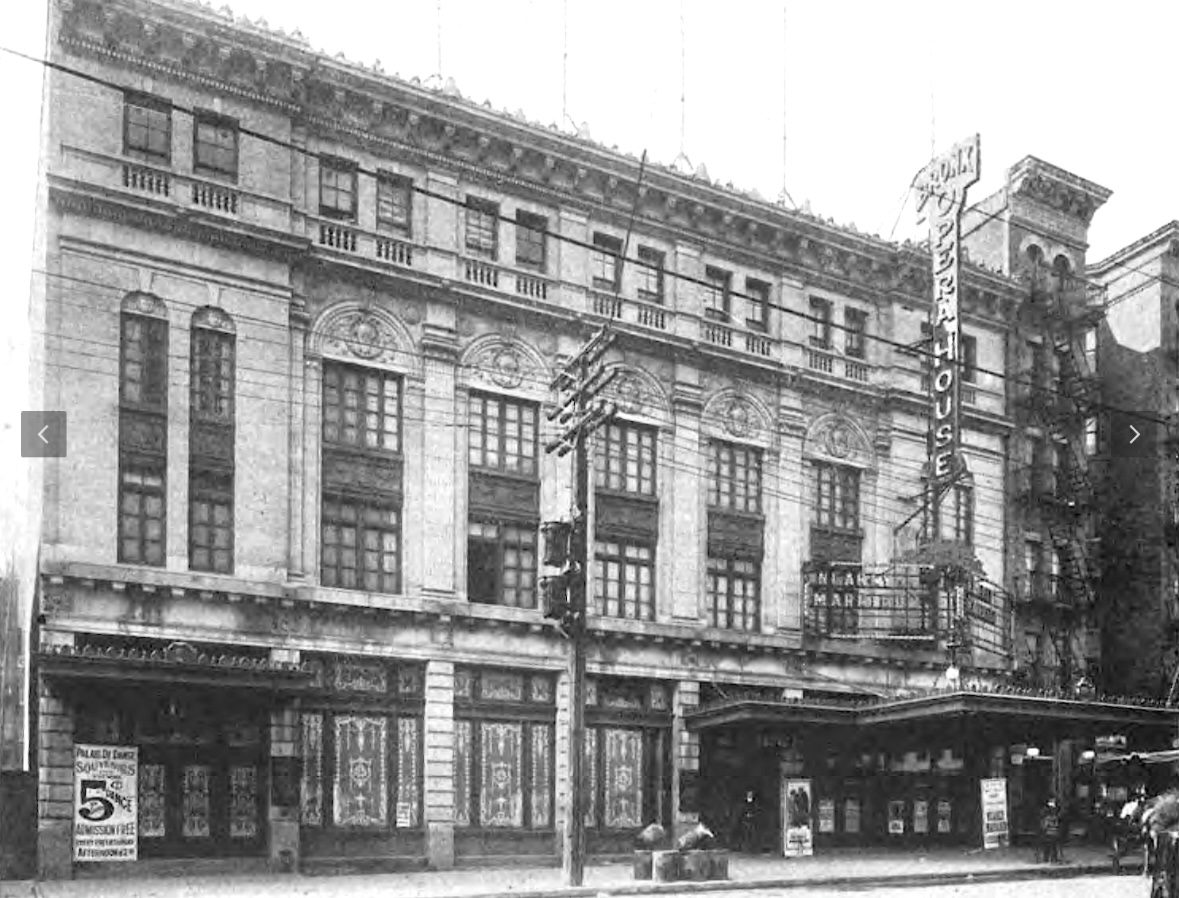
Among those present were stars and influential figures from the theater world—George M. Cohan, Sam H. Harris, A.H. Woods, Harry Frazee, and a delegation from the New York Friars Club. On stage, Max Figman, one of the main actors, gave a speech, and Assemblyman Louis D. Gibbs delivered one on behalf of Bronx residents. The crowd that gathered outside was so large that police had to be called to clear a path.
The play was a huge success—the finale was followed by six curtain calls.