


In the 1980s, a new band of three sisters shook up the New York music scene. Their explosive Latin-tinged dance funk, infused with elements of hip-hop, punk, and house, combined with playful, girlish vocals, captivated audiences everywhere. ESG was welcomed by a wide range of crowds, from underground punk clubs and the legendary Paradise Garage nightclub to Manchester’s iconic Hacienda and various festivals, parties, and amateur venues. In this article, we’ll explore how the band became so popular so fast and whether the sisters are still performing today. Read more on bronx-trend.
A Mother’s Love and a Fateful Christmas Morning
The sisters—Renee, Marie, and Valerie Scroggins—were born and raised in a large family in the South Bronx. It was a tough neighborhood to raise kids in, and the influence of the streets was hard to escape. Their parents tried to steer them away from bad crowds, dangerous habits, and poor choices, but unfortunately, the older Scroggins children fell into drugs and a life of addiction. While most of them eventually managed to get off heroin, it was a difficult time for the family. Their mother worried that her younger daughters would follow the same path, so she was sometimes overly protective. But the girls showed an early interest in music; whenever a popular song came on, they’d immediately start singing and dancing along.
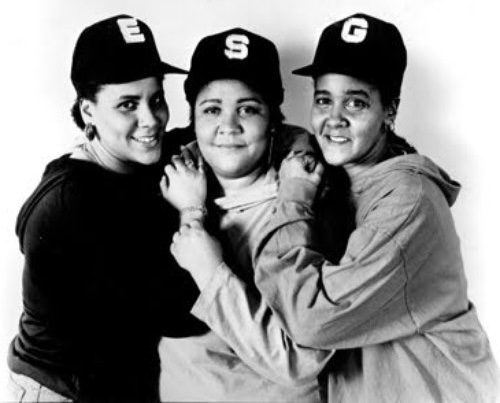
One Christmas morning, when Valerie, Renee, and Marie were teenagers, they rushed to the tree and found gifts that would change their lives. Their parents had saved up for months to give the girls what they’d always dreamed of: real professional instruments—a bass guitar, drums, and a tambourine. Right then and there, the girls came up with a name for their future band: ESG, short for Emerald, Sapphire, and Gold. Renee remembers that magical Christmas morning. “To pick up those instruments and just play was like, wow! It was like a window had opened and the sun came through. That’s my best memory!”
From that day on, music was a constant presence in the Scroggins home. The girls recall that their first performances were for an audience of one: their mother, who was always their biggest supporter and inspiration. No matter how busy or tired she was, she would listen to all of their musical experiments with a smile and genuine interest. She never criticized them, even when things didn’t sound quite right; she would simply say they needed to practice more.
The family often gathered in the evenings to watch TV shows like Don Kirshner’s “Rock Concert.” The girls promised their mom that one day, she would see them on the big stage. Though their parents couldn’t afford to send them to music school or pay for private lessons, Renee, Valerie, and Marie taught themselves to play with remarkable skill, always helping each other along the way.

First Steps to the Music Olympus
The girls’ mother took every chance she could to promote her children’s talent. Since the family had little money, they entered various free competitions and talent shows. At one such event in 1979, the young band ESG was noticed by the Scrogginses’ neighbor, Ed Bahlman. He soon became their unofficial manager. Later, Bahlman started his own label, 99 Records, and began working with bands he saw as more promising, such as Liquid Liquid, Glenn Branca, and Bush Tetras.
Read about the famous punk band “The Bronx” here.
Bahlman didn’t take the Scroggins sisters seriously and kept putting off their studio session—a decision he would later regret. In 1980, ESG was booked to open for A Certain Ratio at Hurray in the Upper West Side. The concert was attended by Factory Records founder Tony Wilson. He immediately recognized their talent and, that same day, offered to take the girls to a recording studio to create a professional album.
Three days later, the Scroggins sisters were at Eastern Artists studio with Factory Records producer Martin Hannett, who had already worked with stars like Joy Division, Magazine, and The Durutti Column.
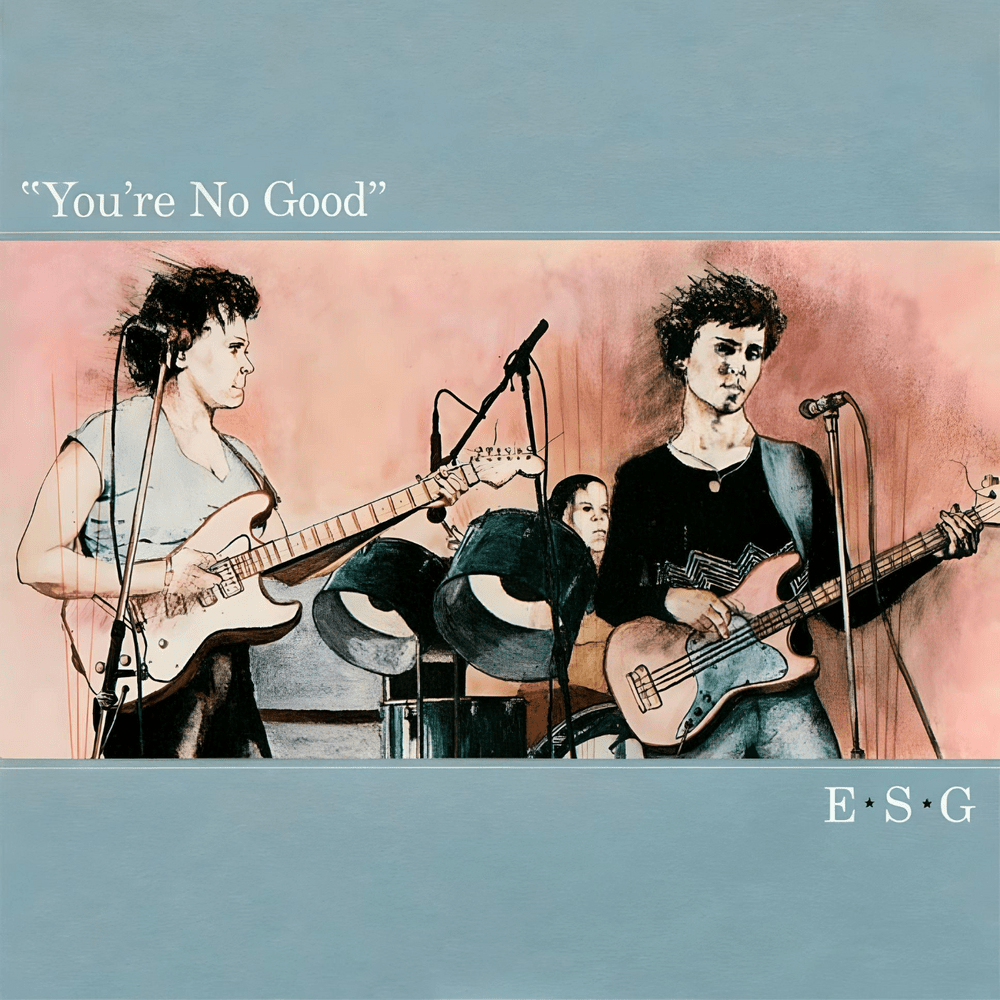
This session is linked to the story of the band’s most popular hit, “UFO,” which made it onto the album by a happy accident. No one had planned to include the strange, quirky song. But when they had recorded almost everything, Hannett asked if the band had a short track, under three minutes, to fill the empty space at the end of the tape. The sisters remembered “UFO,” even though no one was particularly fond of it.
The debut EP was simply titled ESG, and it featured six tracks, but it was that last song that grabbed everyone’s attention, both from listeners and fellow artists. Since its release in 1981, “UFO” has been sampled hundreds of times. The most used part is the sound of the whistling air sirens that open the track—a 12-second snippet that hip-hop, R&B, and electronic music producers have used to complement their beats for years. You can hear the “UFO” track in commercials, soundtracks, and other artists’ recordings.
The Cruel World of Show Business
Later, as sampling laws and licensing restrictions came into effect, the sisters from the South Bronx spent a lot of time in court, trying to defend their rights to their own music. This wasn’t at all how they had imagined the music business. The girls were truly passionate about music at first, but when they found themselves in a world where everyone was trying to use, undermine, and compromise others, they became disillusioned.
“People were straight-up using our music and getting paid for it,” says one of the Scroggins sisters. “And I’m sitting in a little apartment with my two kids, and I don’t know where to get the money to feed them. I have a day job on top of the band, and someone is just taking what’s yours without permission and getting paid for it. It’s very upsetting.”
In 1983, ESG released their first full-length album, Come Away With ESG, a blend of disco, post-punk, and funk. This led to yet another wave of illegal samples. The sisters felt helpless. Their benefactor at 99 Records also had no experience in this area. In 1984, Ed Bahlman tried to solve the plagiarism problem by suing Sugar Hill Records. Although the case was eventually successful, Sugar Hill declared bankruptcy rather than pay the $660,000 they were ordered to. Bahlman was so discouraged and disillusioned by the situation that he decided to leave the music industry for good.
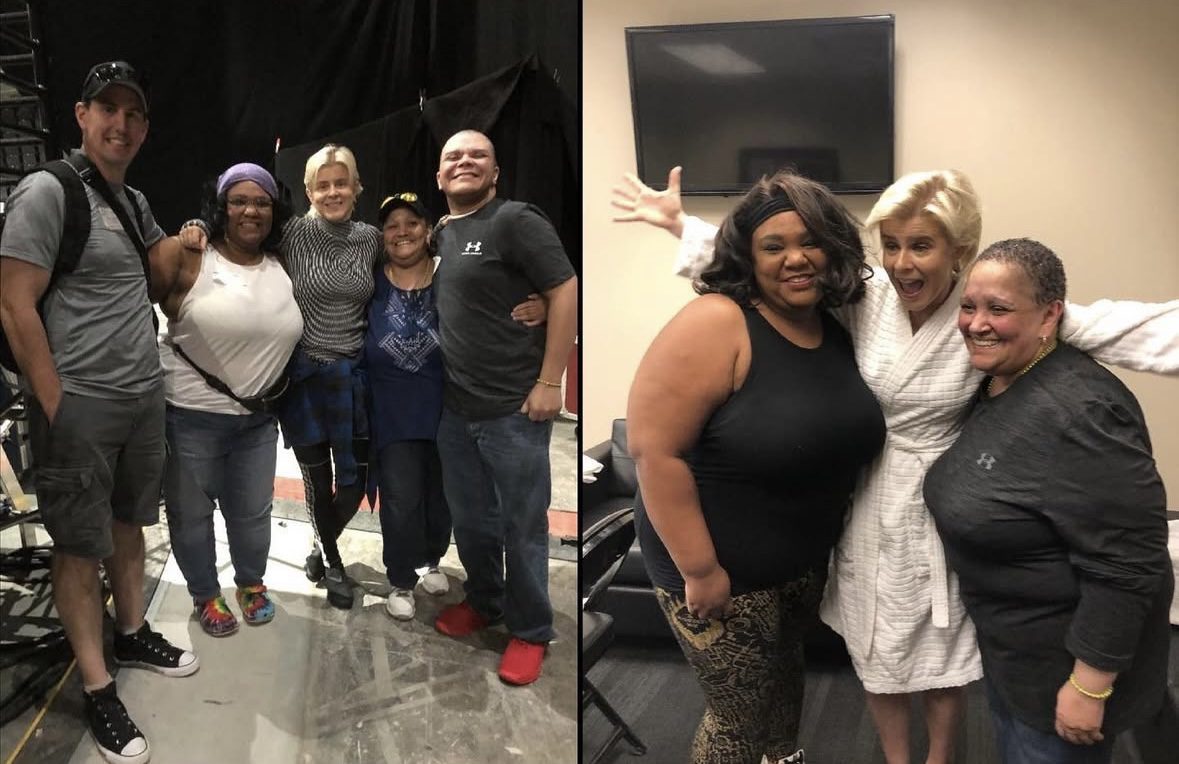
In 1992, ESG released an EP titled “Don’t Pay Our Bills” to bring attention to the constant sampling issue. But the attempts to use their tracks didn’t stop. The Scroggins sisters then hired a company to track down infringing record labels to make them pay up.
Two Passions: Music and Family
Over the years, the sisters of ESG finally found some peace and stopped taking the sampling of their music so personally. They started to see it from a different perspective and took it more as a compliment to their work.
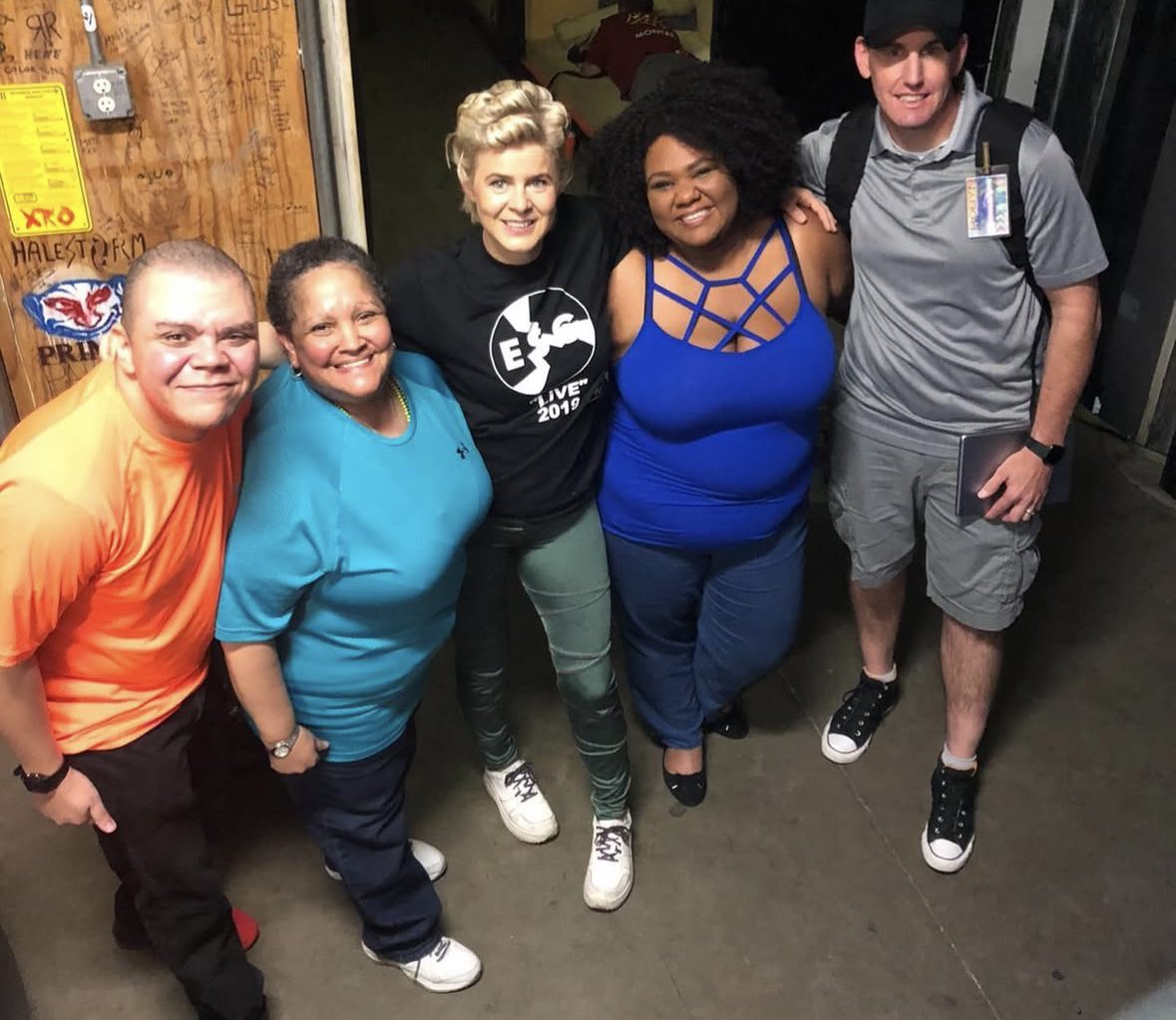
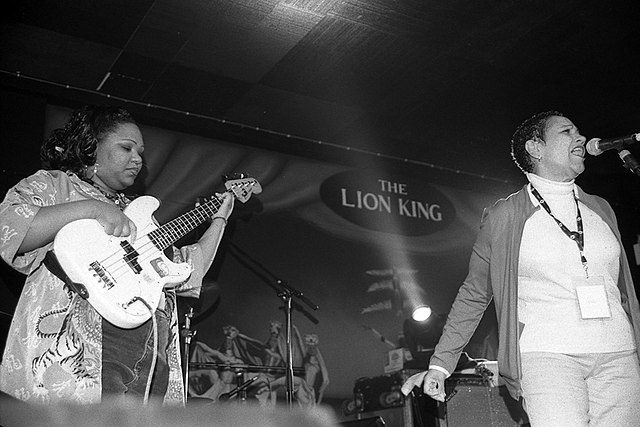
The Scroggins sisters were truly respected throughout the dance-punk scene. In 2000, Soul Jazz Records released a compilation called “A South Bronx Story,” and in 2007, another one titled “A South Bronx Story-2.” By then, the Scrogginses had moved past the samples and were just enjoying the music. On a few occasions, the band announced their retirement. First, at the Estrojam festival in Chicago in 2007, the sisters announced it would be their last concert. But after that, they recorded another compilation and two full studio albums.
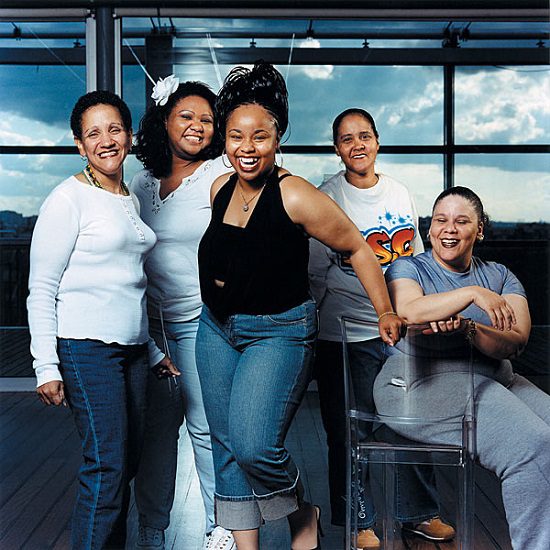
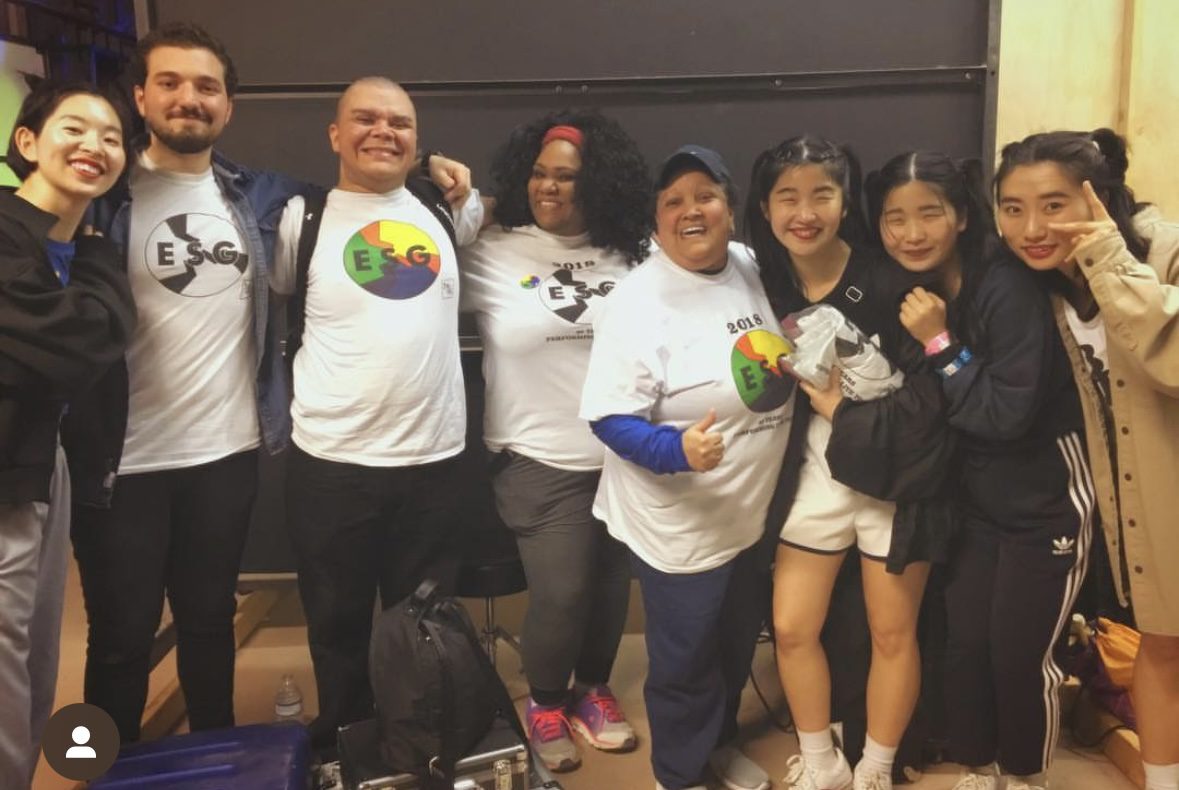
The band’s lineup has changed over the years, with new members joining at times, but it has always remained a family affair. Today, only Renee is left from the original trio, but the band is still a three-piece, with her daughter and niece performing alongside her. Renee’s son also works with the crew, helping with organization, and other family members attend concerts whenever they can.
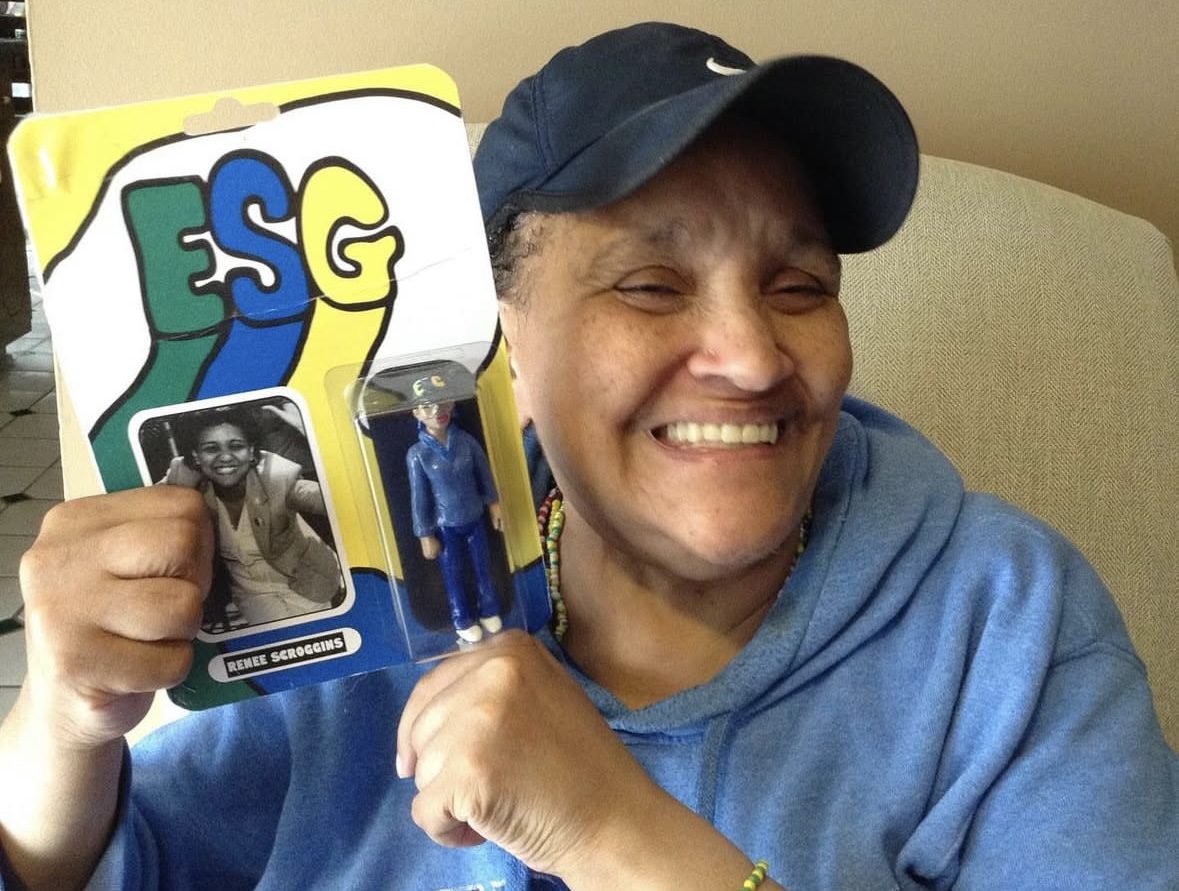
Renee Scroggins says:
“It seems like every decade I get a new fan base. It just shows that our music is really cool. When I’m on stage day after day, I feel this music. It vibrates in my mind and my body, and I love giving it away. My knees give me problems, but as long as I can sing a song and say, ‘Be yourself, dance, and have fun, because life is hard enough,’ I’m going to keep going.”
And so, today, 46 years after the Scroggins sisters found their first instruments under the Christmas tree, their music is still alive and thriving on dance floors across America and Europe. In 2024, ESG embarked on a major tour, visiting Los Angeles, Boston, Chicago, San Francisco, Paris, Stockholm, and several cities in Germany, Norway, and Ireland. Before the shows, audiences got to learn about the band’s history as a documentary film about ESG, titled Are You Serious?, was shown on screen.
Read the story of another star from the 80s, John Benitez, here.